The History of Achar in Pakistani Cuisine is not simply the story of preserved mangoes, lemons, chillies, and vegetables. It is a cultural journey shaped by seasonal harvests, family kitchens, regional tastes, historic trade routes, and generations of practical food knowledge. From a sunlit courtyard where jars were carefully covered with cloth to a modern Pakistani dining table, achar has remained one of the country’s most recognisable and deeply loved condiments.
A spoonful of achar can transform an ordinary meal. It adds heat to daal, sharpness to paratha, depth to rice, and character to a simple plate of roti and vegetables. Yet behind that familiar burst of flavour lies a much larger story—one that connects ancient food preservation with the living culinary heritage of Pakistan.
To understand Pakistani achar history, we must look beyond a single recipe or historical date. Achar developed through centuries of shared South Asian food practices and later acquired distinct regional identities within present-day Pakistan. Its journey reflects how people adapted to climate, agriculture, migration, changing tastes, and the ingredients available around them.
What Is Achar?
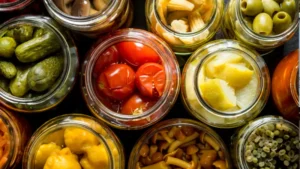
Achar is a South Asian condiment made by preserving fruits, vegetables, herbs, or other ingredients with salt, spices, oil, vinegar, or a combination of these elements.
Unlike the lightly brined cucumber pickles familiar in some Western cuisines, traditional Pakistani achar is usually bold and highly seasoned. It may be sour, salty, spicy, bitter, fragrant, or even slightly sweet. Its exact character depends on the main ingredient, regional preferences, and the preservation method used.
Common ingredients include:
- Raw mango
- Lemon or lime
- Green chilli
- Garlic
- Ginger
- Carrot
- Turnip
- Amla
- Karela
- Lasora
- Tenti
- Mixed seasonal vegetables
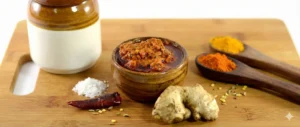
Typical pickling spices include:
- Mustard seeds
- Fenugreek seeds
- Fennel seeds
- Nigella seeds
- Coriander seeds
- Turmeric
- Red chilli powder
- Cumin
- Salt
Mustard oil is traditionally associated with many Pakistani and North Indian pickle recipes, while some households use other oils or vinegar pickling methods. The result depends on the balance of acidity, moisture, salt, temperature, hygiene, and time.
Achar is therefore more than “spicy preserved vegetables.” It is a flexible food category with countless family and regional variations. Those interested in its contemporary forms can explore Achar Mart’s guide to authentic Pakistani pickles and see how traditional flavour profiles continue today.
The Ancient Roots of Pickling in South Asia
The history of pickling in South Asia stretches back far beyond the formation of modern Pakistan in 1947. It developed across the wider Indian Subcontinent, where hot weather, short harvest seasons, and the need to store food encouraged communities to preserve seasonal produce.
Preservation Before Refrigeration
Before refrigerators and industrial packaging, households needed reliable methods to keep food edible beyond its natural season. Salt preservation, drying, oil, acidity, and controlled fermentation offered practical solutions.
These methods helped families:
- Reduce seasonal food waste
- Store produce for periods of scarcity
- Carry food during travel
- Preserve local fruits and vegetables
- Add flavour to basic everyday meals
- Extend access to ingredients beyond harvest time
Raw mangoes, lemons, chillies, roots, berries, and vegetables could be cut, salted, spiced, and preserved for later use. Sunlight was often used to reduce moisture or mature the mixture, while oil created a protective layer around the ingredients.
There was no single moment when “Pakistani achar” was invented. The origin of achar in Pakistan is best understood as part of a much older regional tradition inherited by the communities that eventually became part of Pakistan.
The Meaning and Journey of the Word “Achar”
The term achar has long circulated across South and parts of Southeast Asia. It appears in several languages and regional food traditions, although spelling and pronunciation vary.
Linguistic explanations often connect the word with Persian usage, while its wider journey reflects centuries of movement between cultures. Merchants, travellers, imperial courts, soldiers, farmers, and migrants carried ingredients and food vocabulary across trade routes.
Because culinary traditions rarely remain inside political borders, achar became a shared category with many local interpretations. Pakistani achar belongs to this broader family, but its flavour has been shaped by Pakistan’s own crops, communities, and regional preferences.
Trade Routes and the Changing Achar Pantry
The Indian Subcontinent has historically been connected to Central Asia, Persia, Arabia, and maritime trading networks. These exchanges influenced local cooking by expanding access to spices, preservation knowledge, and new ingredients.
Trade contributed to the movement of:
- Aromatic seeds and spices
- Oils and dried ingredients
- Citrus varieties
- Culinary techniques
- Regional food terminology
- Ideas about balancing sourness, salt, and heat
One major change came after chilli peppers were introduced to Asia from the Americas through early modern global trade. Chillies eventually became central to South Asian food. Today, it is difficult to imagine spicy Pakistani pickles without red chilli powder or fresh green chilli, but these ingredients entered the region through global exchange.
This is an important reminder: traditional cuisine is not frozen in time. What we call tradition is often the result of communities adopting new ingredients and gradually making them their own.
Mughal Influence on Pakistani Cuisine and Achar
The Mughal Era had a major influence on food culture across the northern Indian Subcontinent, including many regions now located in Pakistan. Mughal cuisine is often associated with rich gravies, rice dishes, kebabs, dried fruits, nuts, and aromatic spices. Its connection to achar, however, requires a little nuance.
The Mughal courts did not invent South Asian pickling. Preservation traditions existed much earlier. However, elite kitchens helped refine culinary techniques, encouraged sophisticated spice combinations, and brought Persianate food customs into closer contact with local practices.
Courtly Taste Meets Household Preservation
Mughal food culture valued contrast. Rich meat dishes and fragrant rice could be accompanied by sharp chutneys, relishes, preserved fruits, and pickles that balanced the meal.
The broader Mughal influence on Pakistani cuisine may be seen in:
- Layered spice blends
- Sweet-and-sour flavour combinations
- Greater use of aromatic ingredients
- Elaborate meal presentation
- Pairing rich foods with sharp condiments
- Exchange between courtly and regional cooking
Recipes did not remain confined to royal kitchens. Cooks, traders, urban households, and local communities adapted techniques according to cost and availability. Over time, sophisticated spice combinations became part of domestic cooking.
Therefore, the Mughal contribution to the cultural history of achar was less about inventing it and more about participating in its evolution.
Achar During the Colonial Era
The Colonial Era brought further changes to agriculture, commerce, transportation, and food production. Ingredients could move over longer distances, glass containers became more widely available, and commercial versions of household foods gradually entered urban markets.
British use of the word “pickle” created another layer of culinary interpretation. South Asian achar was sometimes grouped with European pickled foods, even though the preparation styles and flavour profiles could be very different.
From Household Jar to Market Product
During this period, pickling remained strongly rooted in domestic life. At the same time, bazaars and small producers expanded access to ready-made condiments.
This transition introduced new possibilities:
- Commercial spice mixtures
- Wider circulation of regional recipes
- Improved transport between agricultural and urban areas
- Increasing availability of glass jars
- Vinegar-based preservation for selected products
- Early standardisation of flavour and packaging
Even with these changes, homemade achar retained special status. A family jar represented care, patience, and trust—qualities that commercial production has continually tried to preserve.
Partition and the Formation of Pakistani Pickle Culture
The Partition of India in 1947 was a political transformation and a profound human migration. Millions of people moved across new borders, carrying memories, skills, languages, and recipes with them.
The modern history of Pakistani pickles was shaped by this movement. Migrating families brought food traditions from Delhi, Uttar Pradesh, East Punjab, Rajasthan, Hyderabad Deccan, and other parts of the Subcontinent. These traditions interacted with the existing cuisines of Punjab, Sindh, Balochistan, Khyber Pakhtunkhwa, and other regions.
A recipe could cross a border in a handwritten notebook—or simply in someone’s memory.
Achar as Portable Heritage
For displaced communities, food became a way to preserve identity. A familiar mango achar or lemon achar could recreate a sense of home even when the surrounding city, language, or neighbourhood had changed.
This made achar a form of portable cultural heritage. It required no formal institution to survive. It continued because families prepared it, tasted it, corrected it, and taught it to the next generation.
Cities such as Karachi and Lahore became meeting points for diverse cooking traditions. Karachi’s migrant communities contributed to an especially varied urban food culture, while Lahore and other Punjabi cities remained strongly connected to agricultural produce and robust regional spice profiles.
The evolution of Pakistani achar after Partition was therefore driven by both continuity and exchange. Old recipes survived, but they also changed as families encountered new produce, neighbours, and local preferences.
Regional Varieties of Pakistani Achar
Pakistan’s geography includes fertile plains, deserts, mountains, coastal areas, and dry inland regions. This diversity affects what communities grow, preserve, and enjoy. As a result, the regional varieties of Pakistani achar cannot be reduced to one national recipe.
Punjabi Achar
Punjab is closely associated with strong, spicy pickles prepared from abundant agricultural produce. Raw mango, lemon, green chilli, carrot, turnip, and mixed vegetables are common choices.
Punjabi achar often features:
- Mustard oil
- Coarsely ground spices
- Mustard and fenugreek seeds
- Red chilli powder
- Turmeric
- Generous salt
- A bold, tangy finish
Mixed vegetable achar is especially popular during cooler seasons when carrot, cauliflower, and turnip are readily available. Readers interested in this style can explore the traditional Pakistani mixed pickle guide or browse Achar Mart’s mixed pickle selection.
Sindhi Pickle Traditions
Sindhi cuisine is known for its vibrant use of spices, sour elements, and regional produce. Pickles are commonly served alongside rice dishes, flatbreads, lentils, and vegetable preparations.
Sindhi-style achar may include:
- Mango
- Lemon
- Green chilli
- Garlic
- Mixed vegetables
- Local berries and fruits
In some preparations, the flavours are intensely sour and spicy. In others, sweetness may be used to soften the acidity. Karachi’s markets also bring multiple regional traditions together, making the city a lively centre for contemporary achar culture.
Balochistani Preservation Practices
Balochistan’s dry climate and dispersed communities have historically made food preservation important. While achar may not dominate every local meal in the same way, preserved vegetables and condiments fit naturally within a broader culture of storing food for difficult seasons and long journeys.
Local availability matters greatly. Recipes may rely on hardy fruits, vegetables, salt, oil, or vinegar. Such practices show that traditional food preservation is a response to landscape as much as taste.
Khyber Pakhtunkhwa
Khyber Pakhtunkhwa is often associated with meat, bread, rice, and comparatively restrained spice in some regional dishes. Achar can provide the sharp contrast that completes such meals.
Common accompaniments include chilli, lemon, garlic, and mixed pickles. Trade and movement across the region have also brought influences from Punjab, Afghanistan, and Central Asia.
Southern Punjab and Multan
Southern Punjab, including Multan and surrounding agricultural areas, contributes rich fruit and vegetable traditions to Pakistani cuisine. Mangoes are especially significant.
Raw mango can be sliced, salted, seasoned with achar masala, and preserved until its sharp flavour mellows into something deeper. For readers who enjoy the practical side of this tradition, Achar Mart’s crunchy mango pickle recipe explains how this iconic variety is prepared.
Iconic Traditional Pickles of Pakistan
Achar is a category, not a single product. Each variety offers a different combination of texture, aroma, sourness, and spice.
Mango Achar
Mango achar is arguably the most iconic desi achar. It is usually made from firm, unripe mangoes that can withstand salting and prolonged maturation.
A classic preparation may use mustard seeds, fenugreek seeds, fennel seeds, turmeric, red chilli powder, salt, and oil. The result is sharp, fruity, hot, and deeply aromatic.
Explore traditional mango pickle for a ready-to-serve expression of this enduring favourite.
Lemon and Lime Achar
Lemon achar brings intense citrus acidity to the table. Salt gradually softens the peel and transforms its bitterness into a more rounded flavour.
Some recipes are fiery, while others include sweetness. Vinegar may be added in certain methods, although salt, natural citrus juice, spices, and time can also drive the preservation process.
Achar Mart’s lime pickle represents this sharp and fragrant branch of Pakistani pickle culture.
Mixed Vegetable Achar
Mixed achar makes seasonal diversity visible in one jar. Carrot, cauliflower, turnip, chilli, and other vegetables may be preserved together, producing contrasting textures and flavours.
This style demonstrates the practical purpose of seasonal food preservation: several ingredients from the same harvest period can be processed before they spoil.
Garlic and Ginger Achar
Garlic pickle is pungent, savoury, and intensely aromatic. Ginger achar delivers warmth and a distinctive bite.
These varieties may be eaten in small quantities with paratha, daal, rice, or meat dishes. For preparation ideas, see this spicy garlic pickle recipe or explore the garlic pickle range.
Green Chilli Pickle
Chilli pickle is made for people who consider ordinary achar merely a warm-up. Whole or sliced green chillies are combined with salt, oil, vinegar, and pickling spices.
Despite its heat, a well-made green chilli pickle should also offer acidity, aroma, and savoury depth—not heat alone.
Carrot, Turnip and Seasonal Pickles
Carrot pickle and shalgam achar are associated with winter produce in many Pakistani households. Their natural sweetness balances salt, acidity, and chilli.
Carrot may be combined with cauliflower and turnip, or prepared separately. Browse carrot pickle for a focused seasonal variety.
Amla and Lesser-Known Achar Varieties
Amla achar has a tart, slightly bitter character and remains an important example of preserving local fruit. Its unusual flavour stands apart from mango and lemon.
Pakistan also has distinctive achar varieties made from tenti, lasora, karela, radish, olive, and even chickpeas. These products prove that traditional pickles of Pakistan extend well beyond the most familiar supermarket choices.
Learn more through Achar Mart’s guide to amla achar in Pakistan or discover tenti pickle and lasora pickle.
The Traditional Achar-Making Process
The achar-making tradition in Pakistan depends on both recipe knowledge and careful handling. Ingredient proportions vary, but several principles appear repeatedly.
1. Selecting Seasonal Produce
Fresh, firm produce is essential. Bruised or overripe ingredients carry excess moisture and may spoil more easily.
Raw mangoes should be crisp. Carrots and turnips should be firm. Chillies should be fresh, and lemons should have sound skins.
2. Washing and Drying
Produce, utensils, and jars must be clean. More importantly, ingredients generally need to be dried thoroughly before oil-based pickling.
Unwanted moisture can encourage spoilage. This is why many traditional recipes place washed produce in sunlight or spread it on clean cloth before mixing.
3. Salting
Salt contributes flavour, draws water from plant tissue, and helps control microbial activity. The correct amount depends on the ingredients and preservation method.
Traditional recipes often rely on experience rather than written measurements. A grandmother’s achar recipe may say “enough salt” because the cook learned what enough looks, smells, and tastes like.
4. Adding Achar Masala
Achar masala creates the signature flavour. Mustard seeds bring pungency, fenugreek adds bitterness, fennel contributes sweetness, and red chilli provides heat and colour.
Roasting, grinding, or leaving spices whole can significantly change the final result.
5. Using Oil, Vinegar or Fermentation
Not all pickles are preserved in the same way.
- Oil-based achar relies on salt, spices, low moisture, and an oil barrier.
- Vinegar pickling uses acidity to create a less favourable environment for harmful microorganisms.
- Fermented pickles depend on controlled microbial activity, commonly involving salt and naturally occurring lactic acid bacteria.
These categories may overlap, and a recipe should not automatically be called fermented simply because it matures over time. For a closer look at acidity, read why vinegar is used for pickling.
6. Maturing the Achar
Many pickles improve after resting. During maturation, salt and spices penetrate the ingredients, textures soften, and sharp flavours become integrated.
Jars may be placed in sunlight according to the recipe, but traditional practice should still be combined with modern food-safety awareness. Spoiled, mouldy, unusually fizzy, or foul-smelling products should not be tasted.
The Cultural Significance of Achar
The role of achar in Pakistani food extends far beyond preservation. It connects everyday meals with family traditions, hospitality, memory, and cultural identity.
A Taste of Home
For Pakistanis living abroad, achar can carry an emotional weight far greater than its serving size. Its aroma can recall a parent’s kitchen, summer mango season, a family lunch, or a jar packed carefully into luggage.
Because achar is concentrated in flavour, even a small amount can make unfamiliar surroundings feel more like home.
Generational Knowledge
Traditional recipes are often transmitted through observation. A younger family member learns how dry the mango should be, how coarse the spices must remain, and when the oil is ready.
This is generational knowledge in its most practical form. It includes sensory judgement that is difficult to capture in exact measurements.
Homemade achar in Pakistan has commonly been associated with mothers and grandmothers, whose unpaid culinary work preserved family taste. Recognising this labour is part of understanding Pakistani food heritage.
Hospitality and Everyday Eating
Achar can appear beside a carefully prepared feast, but it is equally valuable when the meal is simple. Daal, roti, khichri, chana, paratha, or leftover rice can become more satisfying with a small spoonful.
This accessibility explains its lasting popularity. Achar is not reserved for one social class, ceremony, or season. It belongs to everyday Pakistani households.
From Homemade Achar to Modern Pakistani Brands
Urbanisation, changing family structures, and busy lifestyles have altered how achar is produced and purchased. Fewer households have large courtyards, extended preparation time, or access to seasonal produce in bulk. As a result, professionally prepared achar has become increasingly important.
Modern customers expect:
- Hygienic preparation
- Secure packaging
- Reliable taste
- Clear ingredient information
- Convenient online ordering
- Traditional flavour
- A broad selection of varieties
The challenge for contemporary producers is to standardise safety and quality without flattening the character that makes achar feel homemade.
Digital stores now make regional and uncommon varieties accessible to customers across Pakistan. Shoppers can explore the complete Achar Mart pickle shop or read this guide to buying pickles online in Pakistan.
This shift does not necessarily mark the end of homemade food traditions. Instead, it can create a new path for traditional recipes to survive in modern life.
How to Appreciate Authentic Pakistani Achar
A good achar should have balance. The strongest chilli or sharpest vinegar does not automatically indicate quality.
When choosing achar, consider:
- Aroma: Spices should smell distinct and appetising.
- Texture: Ingredients should match the intended style, whether crisp or softened.
- Balance: Salt, sourness, heat, bitterness, and sweetness should work together.
- Oil quality: Oil should support the flavour rather than taste stale.
- Ingredient identity: Mango should still taste like mango; garlic should remain recognisable.
- Packaging: The jar should be properly sealed and stored as directed.
- Serving size: Achar is usually a condiment, so a small portion is enough.
Pair mango achar with daal chawal, lemon pickle with paratha, garlic pickle with simple lentils, and mixed vegetable achar with roti or khichri. These are not strict rules—Pakistani dining has never been afraid of a little delicious improvisation.
Preserving the Future of Pakistani Achar
The history of achar continues to be written. Climate change, agricultural pressures, food regulation, migration, e-commerce, and changing health preferences will all shape its future.
Preserving this heritage requires more than repeating old recipes. It involves:
- Recording regional and family recipes
- Supporting local farmers and seasonal produce
- Using hygienic, responsible production methods
- Teaching traditional skills to younger generations
- Avoiding exaggerated health claims
- Protecting regional ingredient diversity
- Making authentic flavours available to modern consumers
Brands, home cooks, food historians, and customers all have a role. Every documented recipe protects a small piece of cultural memory. Every thoughtfully prepared jar carries that memory forward.
Conclusion: A Small Jar With a Long History
The History of Achar in Pakistani Cuisine reveals how an everyday condiment can hold centuries of cultural experience. Its story begins in ancient pickling traditions, develops through agricultural life and regional exchange, absorbs influences from trade and Mughal cuisine, survives colonial change and Partition, and continues in today’s Pakistani kitchens and online markets.
Traditional Pakistani achar is practical, but it is also personal. It preserves mangoes and lemons, yet it also preserves family traditions, culinary knowledge, regional identity, and memories of home.
From Punjabi mango achar and Sindhi chilli pickle to amla, garlic, ginger, tenti, lasora, carrot, and mixed vegetable varieties, each jar tells a slightly different story. Together, they form a living record of Pakistani culinary traditions—bold, adaptable, and generously spiced.
Continue this cultural journey through flavour. Visit the Achar Mart shop to explore authentic Pakistani achar and discover a variety that brings traditional taste to your table.
Frequently Asked Questions
What is the history of achar in Pakistani cuisine?
Pakistani achar developed from ancient South Asian food-preservation traditions. Communities used salt, oil, spices, drying, acidity, and sometimes fermentation to preserve seasonal produce. Trade, regional agriculture, Mughal food culture, migration, Partition, and family recipes all influenced its modern Pakistani forms.
Where did achar originate?
Achar does not have one clearly documented place or date of invention. Pickling traditions existed across the ancient Indian Subcontinent and other regions. Pakistani achar emerged from these shared practices and later developed distinct regional flavours within modern Pakistan.
Did the Mughals introduce achar to South Asia?
No. Pickling existed in South Asia before the Mughal period. Mughal food culture contributed to the exchange and refinement of spices, flavour combinations, and meal accompaniments, but it did not invent achar.
Which achar is most popular in Pakistan?
Mango achar is among the most popular varieties in Pakistan. Lemon, green chilli, garlic, carrot, and mixed vegetable pickles are also widely enjoyed.
What spices are used in traditional Pakistani achar?
Common pickling spices include mustard seeds, fenugreek seeds, fennel seeds, nigella seeds, turmeric, coriander, cumin, and red chilli powder. Recipes vary by region and household.
Is every traditional achar fermented?
No. Some achar may undergo controlled fermentation, while other varieties rely mainly on salt, oil, vinegar, acidity, drying, or a combination of methods. Maturation alone does not necessarily mean that a pickle is fermented.
How is Pakistani achar traditionally served?
Achar is served in small portions with roti, paratha, daal, rice, khichri, vegetable dishes, chickpeas, and meat dishes. Its concentrated flavour adds acidity, heat, and aroma to a meal.
What makes Pakistani achar culturally important?
Achar preserves family recipes, seasonal produce, regional tastes, and generational knowledge. It is closely connected with hospitality, household cooking, migration memories, and Pakistani cultural identity.