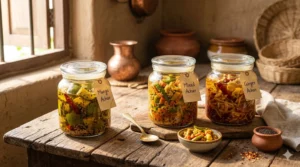
If there’s one thing that unites every Pakistani dining table — from a humble roadside dhaba to a grand family dawat — it’s a small bowl of achaar sitting proudly beside the main dish. And among the many varieties lining our kitchen shelves, Sohanjna Mooli Pickle health benefits have quietly made it one of the most talked-about condiments in recent years. It’s tangy, it’s spicy, and it turns out, it’s also surprisingly good for you.
This isn’t just another pickle riding on nostalgia. Sohanjna (moringa) and mooli (radish) are two ingredients that have been used in South Asian households for generations — not just for flavor, but for their genuine healing properties. When combined into one jar of achaar, they create something that’s equal parts delicious and functional.
In this article, we’ll break down exactly what makes this pickle special, why it deserves a spot on your plate at every meal, and how you can bring it home the easy way.
🌿 What Exactly Is Sohanjna Mooli Pickle?
Before diving into the health angle, let’s understand what this pickle actually is.
Sohanjna is the Urdu name for Moringa oleifera, often called the “miracle tree” because nearly every part of it — leaves, pods, seeds — is edible and nutrient-dense. Mooli, of course, is the humble radish, a staple root vegetable in South Asian cooking known for its crunch and slightly peppery bite.
When these two are pickled together using mustard oil, red chili, and a traditional spice blend, you get an achaar that’s:
- Tangy with a spicy kick
- Rich in fiber and crunch
- Loaded with plant-based nutrients
- A perfect companion to daily meals
If you want to try the authentic version, Achar Mart’s Sohanjna Mooli Pickle is made using traditional homemade methods, keeping the nutrition intact without unnecessary preservatives.
🔬 The Nutritional Profile Behind the Flavor
People often assume pickles are “just spicy oily food,” but Sohanjna Mooli Pickle nutrition facts tell a very different story.
What Moringa Brings to the Table
Moringa is one of the most nutrient-dense plants on the planet. It’s commonly cited for containing:
- High levels of Vitamin C — supporting immunity
- Iron and calcium — good for blood and bone health
- Antioxidants like quercetin and chlorogenic acid
- Anti-inflammatory compounds
What Radish Brings to the Table
Radish pickle benefits come from its own unique nutrient makeup:
- Low in calories, high in fiber
- Natural digestive enzymes
- Vitamin C and potassium
- Detoxifying properties often praised in desi households
Together, these two ingredients create a pickle that isn’t just tasty — it’s functionally beneficial, especially when eaten in moderate, consistent portions with your meals.
💪 Top Health Benefits of Sohanjna Mooli Pickle
Let’s get into the part everyone’s really here for — the actual Sohanjna pickle benefits that make it worth having in your kitchen.
1. Supports Digestive Health
One of the most commonly cited digestive health benefits of pickles comes from their fermentation-style preparation and spice content. The radish component naturally aids digestion, while mustard oil and spices used in the pickling process are traditionally believed to stimulate digestive enzymes.
If you’ve ever wondered does pickle help digestion, the short answer is: in moderation, yes — especially with fiber-rich vegetables like mooli involved.
2. Acts as a Natural Immune Booster
Thanks to moringa’s high Vitamin C content, this pickle can be considered one of the immune system booster foods that fits naturally into a Pakistani diet. A small spoonful with your daily roti or rice adds a dose of antioxidants without requiring any lifestyle change.
3. Rich Source of Iron and Antioxidants
Moringa’s iron content makes Sohanjna achaar for health particularly useful for people looking to naturally supplement their diet — especially relevant in a country where iron deficiency is fairly common. Combined with antioxidant properties from both moringa and red chili spices, this pickle punches well above its weight nutritionally.
4. May Help With Anti-Inflammatory Support
Moringa has been studied for its anti-inflammatory foods classification, largely due to compounds like isothiocyanates. While pickle shouldn’t replace medical treatment, incorporating anti-inflammatory ingredients into daily meals is a smart, low-effort dietary habit.
5. Fits Into a Weight-Conscious Diet
Looking for a weight loss friendly pickle option? Sohanjna Mooli Pickle, when consumed in small portions, is lower in overall calorie density compared to heavier condiments, while still delivering flavor that makes simple meals (like plain rice or roti) far more satisfying — reducing the temptation to overeat richer sides.
6. Supports Gut Health
Traditional Pakistani achaar-making techniques often involve natural fermentation, which is tied to gut health foods and improved digestion over time. The combination of oil, spice, and slow pickling creates a product that many nutrition-conscious households consider gut-friendly when eaten in reasonable quantities.
7. May Contribute to Blood Pressure Balance
While pickles do contain sodium (as most preserved foods do), moringa itself has been associated in various studies with blood pressure control foods due to its potassium and antioxidant content. The key is balance — a spoonful, not a bowlful.
🍽️ Why Do Pakistanis Love Mooli Pickle With Every Meal?
This is the cultural question everyone asks, and the answer goes beyond taste.
It’s Rooted in Tradition
Pakistani achaar culture isn’t new — it’s generational. Grandmothers pickled seasonal vegetables to preserve them through the year, and that habit turned into a permanent fixture at the dining table. Achaar with roti, achaar with daal chawal, achaar with paratha — it’s practically non-negotiable in most homes.
It Enhances Simple Meals
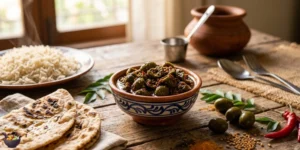
Desi khana with pickle just tastes complete. A plain plate of daal and rice transforms into something exciting with a spoonful of tangy Sohanjna Mooli achaar on the side. It’s the flavor equalizer of Pakistani cuisine.
It’s Genuinely Good For You
Beyond nostalgia, people are becoming more aware of the health benefits of eating pickle with meals — and Sohanjna Mooli Pickle, in particular, has gained popularity because it blends traditional taste with real nutritional value.
It Represents Home-Cooked Comfort
For many Pakistanis living abroad or in busy cities, homemade sohanjna mooli achaar is a taste of home. It’s comfort food in its most concentrated form — one jar, endless memories.
If you’re curious about the wider pickle culture, check out Authentic Pakistani Achaar to see how deeply this tradition runs across regions.
🧑🍳 Homemade vs. Store-Bought: Which Is Healthier?
This is a common question — is homemade achaar healthier than store bought?
Here’s an honest breakdown:
| Factor | Homemade Achaar | Store-Bought (Mass Produced) |
|---|---|---|
| Preservatives | Minimal to none | Often higher, for shelf life |
| Oil Quality | Usually pure mustard oil | Sometimes blended/cheaper oils |
| Freshness | Made in small batches | Mass-produced, longer shelf time |
| Nutrient Retention | Higher, traditional methods | Can vary by brand |
| Consistency | May vary batch to batch | Standardized taste |
The best middle ground? Choosing brands that follow homemade-style methods without cutting corners. That’s exactly the approach behind Achar Mart’s Sohanjna Mooli Pickle — small-batch, traditionally made, and free from unnecessary shortcuts.
📝 Sohanjna Mooli Achaar Recipe: The Traditional Approach
If you’re wondering how to make sohanjna pickle at home, here’s a simplified traditional process:
- Prepare the vegetables — Wash and cut mooli into thin strips; clean moringa pods thoroughly.
- Sun-dry briefly — This step removes excess moisture, which is key for long shelf life.
- Prepare the spice mix — Red chili powder, mustard seeds, fennel, turmeric, and salt.
- Mix with mustard oil — Coat the vegetables generously; oil acts as a natural preservative.
- Jar and ferment — Store in a clean glass jar and let it sit in sunlight for several days, stirring occasionally.
- Taste and adjust — Once the flavors mature, it’s ready to serve.
Making it at home is rewarding, but it’s time-intensive and requires the right proportions to avoid spoilage. If you’d rather skip the guesswork, Achar Mart’s ready-made version delivers that same homemade taste without the wait — you can explore it directly on the Sohanjna Mooli Pickle product page.
⚖️ Sohanjna Mooli Pickle vs. Regular Achaar
A common comparison people search for is Sohanjna mooli pickle vs regular achaar. Here’s how they stack up:
- Nutrient density: Sohanjna Mooli wins due to moringa’s vitamin and mineral profile.
- Taste profile: Both are tangy and spicy, but Sohanjna Mooli has an earthier, slightly bitter undertone from moringa.
- Health positioning: Regular mango or lime achaar is more about flavor; Sohanjna Mooli leans into functional nutrition.
- Versatility: Both pair well with rice, roti, and paratha — but Sohanjna Mooli is often preferred by health-conscious buyers.
If you enjoy exploring different varieties, Achar Mart’s full pickle shop has options ranging from garlic and ginger to carrot and green chili — each with its own flavor identity.
🕒 How Often Should You Eat Pickle?
Moderation is the golden rule. Most nutritionists suggest achaar should be treated as a condiment, not a side dish — meaning a spoonful per meal is plenty. Because pickles are oil and salt-based, overconsumption can offset their benefits, especially for people managing blood pressure.
A practical guideline:
- 1–2 tablespoons per meal is generally reasonable
- Pair it with fiber-rich meals (daal, sabzi, roti) for balance
- Avoid pairing salty pickle with already salty dishes
🌟 Final Thoughts: A Small Jar With Big Benefits
At this point, it’s clear that Sohanjna Mooli Pickle health benefits go well beyond flavor. It’s a product of tradition, nutrition, and culture coming together in one jar — offering immune support, digestive benefits, and a dose of antioxidants, all while staying true to the achaar-loving spirit of Pakistan.
Whether you grew up watching your grandmother sun-dry mooli on the rooftop, or you’re just now discovering why this pickle deserves a permanent spot on your table, one thing is certain — this isn’t a trend. It’s a tradition backed by real nutritional value.
If you’re ready to experience the authentic taste for yourself, explore Achar Mart’s Sohanjna Mooli Pickle today, made the traditional way, with no shortcuts on quality. You can also browse our full range of authentic Pakistani pickles to find the perfect match for your meals.
❓ Frequently Asked Questions
What are the health benefits of sohanjna mooli pickle? Sohanjna Mooli Pickle offers digestive support, immune-boosting antioxidants, iron content from moringa, and anti-inflammatory properties — all packed into a traditional Pakistani condiment.
Why do Pakistanis eat pickle with every meal? It’s a cultural habit rooted in tradition, flavor enhancement, and the belief that achaar aids digestion, making simple meals more enjoyable and complete.
Is mooli achaar good for health? Yes, when eaten in moderation. Radish pickle offers fiber, Vitamin C, and digestive benefits, making it a healthy addition to daily meals.
How to make sohanjna pickle at home? It involves sun-drying moringa and radish, mixing with a traditional spice blend and mustard oil, then fermenting in a jar for several days until the flavors mature.
Is homemade achaar healthier than store bought? Generally yes, as homemade versions avoid excess preservatives. However, brands that follow traditional small-batch methods, like Achar Mart, closely match homemade quality.
How often should you eat pickle? One to two tablespoons per meal is a healthy, balanced amount for most people.