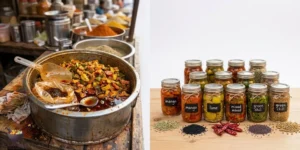
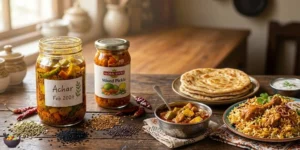
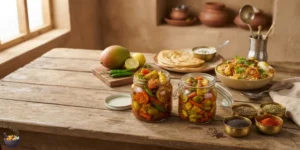
Crushed pickle vs whole pickle is one of those debates that starts at the dinner table and never really ends. One side loves the bold, mingled punch of a coarsely crushed achar. The other swears by the clean bite of a whole piece. Both are delicious, but they are not the same experience. The texture is different, the taste lands differently, and each one shines with different foods.
In this guide, we break down the difference between crushed and whole pickle in plain language. You will learn how each style is made, how it feels in your mouth, how it tastes, how long it lasts, and when to use it. By the end, you will know exactly which jar belongs on your table.
What Is a Crushed Pickle?
A crushed pickle is made from vegetables or fruits that are cut, chopped, or coarsely broken into small pieces before they are mixed with spices and oil or brine. Think of it as achar with the pieces already broken down, so every spoonful carries a bit of everything.
In Pakistani homes, crushed achar is a familiar favorite. It is often a coarse blend of ingredients that are mixed so well that no single flavor stands alone. If you want to see how this style looks in a real jar, take a look at the crush pickle from Achar Mart.
How Crushed Pickles Are Made
The process is simple, but the details matter:
- Fresh ingredients are washed and dried well.
- They are chopped or crushed into small, uneven pieces.
- Salt is added to draw out extra moisture.
- Spices such as mustard seed, fennel, nigella, and red chili are mixed in.
- Oil (or a brine) is added, and the jar rests so the flavors can blend.
Because the pieces are small, the spices reach every surface quickly. That is why crushed pickle often tastes “ready” sooner than a whole pickle.
How to Crush Pickles at Home
You do not need fancy equipment. Here is a quick way to crush pickles at home:
- Pat whole pickled pieces dry with a clean cloth.
- Place them on a chopping board.
- Press and roughly chop them with a knife, or pulse them 2–3 times in a food chopper.
- Stop while the pieces are still chunky. Over-processing turns pickles mushy.
- Toss them with a spoon of their own oil or brine to bring the juiciness back.
Tip: Crush only what you will eat in a few days. Freshly crushed pickle loses its crunch faster than a pickle stored whole.
What Is a Whole Pickle?
A whole pickle is kept intact, or cut into large pieces, during the pickling process. Whole green chilies, whole garlic cloves, whole olives, and big lime pieces are classic examples. The vegetable keeps its natural shape, and the spice mix coats the outside while the inside slowly absorbs flavor over time.
Many people like whole pickles because each piece feels like a proper bite, not just a seasoning. You can see this style in the garlic pickle, the green chili pickle, and the olive pickle.
Why People Choose Whole Pickles
- They look appealing on a plate.
- They give a firmer bite and a clear natural flavor.
- They are great for snacking straight from the jar.
- They often keep their texture longer in storage.
Crushed Pickle vs Whole Pickle: Quick Comparison
Here is a side-by-side view so you can see the key differences at a glance.
| Feature | Crushed Pickle | Whole Pickle |
|---|---|---|
| Texture | Soft to medium, chunky, mixed | Firm, crisp, clearly defined |
| Taste | Blended, bold, evenly spiced | Layered, natural, builds slowly |
| Flavor absorption | Fast (more surface area) | Slower (deeper over time) |
| Crunch | Moderate | High |
| Shelf life | Good, but softens sooner | Often longer-lasting texture |
| Best for | Sandwiches, burgers, wraps, rice | Snacking, side dishes, platters |
| Ease of use | Spoon-ready | Needs cutting or biting |
In short, crushed pickle wins on convenience and fast flavor. Whole pickle wins on crunch and bite. Neither is “better” in every situation, and the sections below show why.
Texture Differences: Crunch, Softness, and Juiciness
Texture is where these two styles part ways most clearly. Let’s look at each one.
Crushed Pickle Texture
The crushed pickle texture is chunky and slightly soft. Because the pieces are broken, they release more juice and blend with the oil or brine. The result is a spoonable, scoopable mix.
- Moist and juicy
- Mixed bites with different sizes
- Easy to spread on bread or mix into food
- Less crunch than whole pieces
Whole Pickle Texture
The whole pickle texture is firm and structured. The outer skin protects the inside, so the piece holds its shape and its snap.
- Clear, satisfying crunch
- Distinct bite with a clean finish
- Juice stays locked inside until you bite
- Feels more “premium” as a standalone snack
Why Are Whole Pickles Crunchier?
This is one of the most common questions people ask. The answer is simple: structure. Every vegetable has cell walls that give it crunch. When you cut or crush a vegetable, you break many of those cells. Moisture leaks out, and the piece softens.
A whole piece keeps most of its cell structure intact. That is why whole pickle crunch is stronger. Other things also help:
- Fresh produce: Firm, fresh vegetables stay crisp.
- Right salt level: Salt pulls out extra water and helps firmness.
- Proper drying: Less surface water means less sogginess.
- Good acidity or oil balance: This protects texture during storage.
If you are curious about the science behind the acidity, our guide on why vinegar is used for pickling explains how it helps both flavor and preservation.
Are Crushed Pickles Softer Than Whole Pickles?
Yes, usually. Smaller pieces lose crispness faster and soak up more brine, oil, and spice. This is not a flaw. For many foods, that softness is exactly what you want.
Taste Differences: Flavor, Spice, and Tang
Now let’s talk about what really matters to most pickle lovers: the taste.
Does Crushed Pickle Taste Different from Whole Pickle?
Yes, it does, even when both use the same spice mix. The difference comes from surface area and flavor absorption.
Crushed Pickle Flavor
The crushed pickle flavor is bold and even. Since the pieces are small, more of their surface touches the spices, salt, and oil. Every bite delivers:
- A strong, balanced tangy flavor
- A blended taste where spices and ingredients mix together
- A quick hit of heat if the pickle is spicy
- A rounder, more “cooked-together” feel
Whole Pickle Flavor
Whole pickles taste more layered. The first bite gives you the outer spice and salt. Then the natural flavor of the vegetable shows up, whether that is the sharp bite of garlic, the heat of a green chili, or the sourness of lime. Over time, the inside absorbs more of the marinade, so the flavor deepens the longer the jar rests.
How Does Cutting Affect Pickle Taste?
Cutting changes three things:
- Speed: Smaller pieces absorb the marinade faster.
- Intensity: More exposed surface means a stronger first impression.
- Balance: Crushed pickles blend flavors. Whole pickles separate them.
Do Crushed Pickles Absorb More Flavor?
They absorb flavor faster, not always better. A whole piece can eventually become just as flavorful, but it takes longer. Crushed pickle gives you the full taste almost right away.
How Does Pickle Size Affect Flavor?
Large pieces taste milder at the center and stronger at the edges. Small pieces taste uniform. If you like a mix of mild and strong in one bite, whole is a great choice. If you want consistent punch, go crushed.
Shelf Life and Storage
Which pickle type lasts longer? In general, whole or large-cut pickles hold their texture longer, because less surface area is exposed to air and liquid. Crushed pickles remain safe to eat when stored properly, but they can soften sooner.
Here are some simple storage rules for both:
- Always use a clean, dry spoon.
- Keep the jar tightly closed.
- Make sure the pieces stay covered with oil or brine.
- Store in a cool, dry place away from direct sunlight.
- Refrigerate after opening if your climate is very warm.
For a deeper walkthrough, read our guide on how to store achar for maximum freshness and shelf life. These habits protect both the taste and the pickle shelf life of every jar you open.
Benefits of Each Style
Both styles come from the same traditional pickling process, so many of their appeal points overlap. Still, each has its own strengths.
Crushed Pickle Benefits
- Convenient: Spoon it straight onto your plate.
- Fast flavor: No waiting for spices to soak in.
- Versatile: Works as a spread, topping, or mix-in.
- Easy to portion: A small amount flavors a lot of food.
- Great for cooking: Blends smoothly into dishes.
To learn more about how this style fits into a balanced diet, see our article on crush pickle health benefits.
Whole Pickle Benefits
- Better crunch: Ideal for people who love texture.
- Cleaner flavor: The natural ingredient stands out.
- Longer-lasting texture: Stays firm for more time.
- Presentation: Looks great on platters and thalis.
- Satisfying snacking: Each piece feels like a treat.
Pickles are best enjoyed in moderation. If you want a balanced view, our post on whether achar is good or bad for health is worth a read.
Best Uses: Which Pickle for Which Food?
This is where theory becomes practical. Match the style to the meal, and your food instantly tastes better.
Best Pickle for Sandwiches
For sandwiches, wraps, and rolls, crushed pickle is usually the winner. It spreads evenly, stays in place, and does not slip out when you bite. Whole pieces can make a sandwich uneven or hard to bite through.
Crushed Pickle for Burgers
A spoon of crushed pickle for burgers adds tang and moisture in every bite. It works like a homemade relish, cutting through the richness of the patty and sauce. Compared with pickle relish, a desi crushed achar brings more spice and heat.
Whole Pickle for Snacking
If you love to eat straight from the jar, whole pickle for snacking is hard to beat. The crunch, the juice, and the burst of spice make it a satisfying bite on its own or with tea-time snacks.
Crushed vs Whole Pickle for Cooking
For cooking, crushed pickle blends better. Try it:
- Stirred into yogurt dips and raita
- Added to stuffed parathas
- Mixed into rice or pulao for a tangy twist
- Used as a marinade booster for grilled meats
Whole pickles are better as a side, where their shape and crunch can shine.
Best Pairings for Pakistani Meals
Both styles pair beautifully with classic dishes. You will find plenty of ideas in our list of the 10 best Pakistani dishes to pair with achar.
| Meal | Better Choice | Why |
|---|---|---|
| Sandwich or wrap | Crushed | Spreads evenly |
| Burger | Crushed | Adds juicy tang |
| Daal-chawal | Either | Both cut richness |
| Paratha | Crushed | Easy to scoop |
| Biryani or pulao | Whole | Clean, crisp contrast |
| Tea-time snack | Whole | Satisfying crunch |
| Platters | Whole | Looks appealing |
A Simple Crushed Pickle Recipe You Can Try
Want to make your own quick crushed pickle? This easy crushed pickle recipe uses a few pantry staples.
Ingredients
- 2 cups finely chopped firm vegetables (carrot, green chili, or mixed pieces)
- 1 tablespoon salt
- 1 teaspoon crushed fennel seeds
- 1 teaspoon crushed mustard seeds
- ½ teaspoon nigella seeds
- 1 teaspoon red chili flakes
- ½ teaspoon turmeric
- ½ cup mustard oil or a neutral oil, warmed and cooled
- 2 tablespoons lemon juice
Steps
- Wash, dry, and chop the vegetables into small, even pieces.
- Mix in the salt and rest for 30 minutes. Drain the extra liquid.
- Add all the spices and toss well.
- Pour in the cooled oil and lemon juice.
- Pack into a clean, dry jar and press down lightly.
- Rest for 2–3 days in a cool place, shaking gently each day.
If you prefer to start with a classic whole-piece recipe, our guide on how to make crunchy mango pickle is a great place to begin. Homemade pickle is rewarding, and the same care in drying and salting protects your crunch in either style.
How to Choose Between Crushed and Whole Pickles
Still undecided? Use this quick checklist.
Choose crushed pickle if you:
- Want bold flavor in every bite
- Love pickle on bread, burgers, or parathas
- Prefer a softer, juicier texture
- Like to mix pickle into dishes
Choose whole pickle if you:
- Love a loud crunch
- Snack straight from the jar
- Want to taste the natural ingredient
- Prefer neat, defined pieces
Or keep both. Honestly, the happiest pickle lovers do. A jar of crushed achar for meals and a jar of whole pieces for snacking cover almost every craving.
If you also enjoy blended varieties, the classic mix pickle is another beloved choice. Our traditional Pakistani mixed pickle guide explains what makes it special.
Which Is Better: Crushed Pickle or Whole Pickle?
There is no single winner, because “better” depends on how you eat.
- For convenience and bold flavor, crushed pickle is better.
- For crunch and clean taste, whole pickle is better.
- For cooking and spreading, crushed pickle is better.
- For snacking and serving, whole pickle is better.
Think of it like chai. Some people want it strong and milky, others light and plain. Both are right. What matters is that the pickle is made with quality ingredients, proper spices, and care.
If you are comparing pickle varieties further, you may enjoy our breakdown of mango pickle vs lime pickle, which looks at how different ingredients shape flavor.
Where to Buy Quality Pickles in Pakistan
Texture and taste both depend on freshness, ingredients, and preparation. A good pickle should smell fresh, look vibrant, and stay properly covered in oil or brine.
If you want to try both styles, explore the crush pickle collection or read our buyer’s guide to the best crush pickle in Pakistan. If you want to see the full range, browse the Achar Mart shop or read our guide to buying pickles online in Pakistan.
Frequently Asked Questions
Which is better, crushed pickle or whole pickle?
Neither is better for every situation. Crushed pickle is best for sandwiches, burgers, and cooking because it spreads and blends easily. Whole pickle is best for snacking and serving because it stays crunchy and looks appealing.
What is the difference between crushed and whole pickles?
The main difference is size and structure. Crushed pickles are broken into small pieces, so they are softer and absorb flavor faster. Whole pickles stay intact, so they are crunchier and develop flavor more slowly.
Does crushed pickle taste different from whole pickle?
Yes. Crushed pickle has a bold, blended, evenly spiced taste. Whole pickle has a layered flavor where the natural taste of the ingredient comes through along with the spices.
Why are whole pickles crunchier?
Whole pickles keep their cell walls mostly intact, which holds moisture inside and keeps the piece firm. Cutting or crushing breaks those cells and makes the pickle softer.
Do crushed pickles absorb more flavor?
They absorb flavor faster because smaller pieces have more surface area. Whole pickles can reach a similar depth of flavor, but it takes more time.
Which pickle type lasts longer?
Whole or large-cut pickles usually keep their texture longer. Crushed pickles stay safe when stored correctly but tend to soften sooner. Always use a clean, dry spoon and keep the pieces covered.
Final Thoughts
The crushed pickle vs whole pickle question comes down to how you like to eat. Crushed pickle brings fast, bold, blended flavor and works beautifully in sandwiches, burgers, and cooked dishes. Whole pickle brings crunch, clarity, and a satisfying bite that is perfect for snacking and serving.
Here is what to remember:
- Texture: Whole is crunchier. Crushed is softer and juicier.
- Taste: Crushed is bold and even. Whole is layered and natural.
- Flavor speed: Crushed absorbs faster. Whole deepens over time.
- Best use: Crushed for spreading and cooking. Whole for snacking and serving.
You do not have to pick a side forever. Keep both styles in your kitchen, and let the meal decide.
🥒 Ready to Taste the Difference?
Don’t just read about it. Taste it. Explore the full range of authentic, handcrafted pickles at Achar Mart, and order your favorite crushed and whole pickles today. Fresh flavor, delivered to your door.