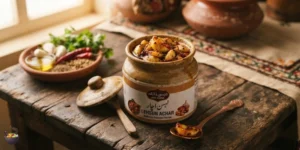
Is achar good or bad for health? The honest answer is that achar can be part of a healthy, balanced diet when it is prepared with quality ingredients and eaten in moderation. However, consuming too much salty, oily, or commercially processed pickle may increase your intake of sodium, oil, preservatives, and artificial additives.
Achar holds a special place in Pakistani and Indian cuisine. A spoonful of mango pickle can make daal chawal more exciting, while lemon, garlic, or mixed pickle can add bold flavour to a simple roti or paratha. But because achar often contains salt, spices, oil, and vinegar, many people wonder whether it is actually good for them.
The health effects of achar depend on four main factors:
- The ingredients used
- The method of preparation
- The amount eaten
- The health of the person eating it
In this complete guide, we will examine achar benefits and side effects, its nutritional value, its effects on digestion, blood pressure, diabetes, cholesterol, pregnancy, and weight management, and how much achar you can safely eat.
Quick answer: A small serving of well-prepared achar can add flavour and plant-based nutrients to your meals. The biggest concern is generally its high sodium content, especially when eaten in large quantities.
What Is Achar?
Achar is a traditional South Asian pickle made by preserving fruits, vegetables, herbs, or other foods with salt, spices, oil, vinegar, or natural fermentation.
Common types of achar include:
- Mango pickle
- Lemon or lime pickle
- Garlic pickle
- Green chilli pickle
- Mixed vegetable pickle
- Carrot pickle
- Amla pickle
- Ginger pickle
- Olive pickle
- White chickpea pickle
Traditional Pakistani achar frequently contains mustard oil, salt, turmeric, red chilli, fenugreek seeds, mustard seeds, fennel seeds, and other spices. Some recipes use vinegar, while others depend on salt, sunlight, and natural fermentation for preservation.
You can learn more about the ingredients, flavours, and traditions behind authentic Pakistani pickles.
Achar Nutritional Value
The nutritional value of achar varies greatly. A pickle made from raw mango will not have exactly the same nutrient profile as one made from garlic, lemon, amla, or mixed vegetables.
In general, achar may provide small amounts of:
- Dietary fibre
- Vitamin C
- Vitamin K
- Antioxidants
- Plant compounds
- Minerals
- Healthy fats, depending on the oil
- Beneficial bacteria, if naturally fermented and unpasteurised
However, achar may also contain significant amounts of:
- Sodium
- Oil
- Added sugar
- Artificial colours
- Chemical preservatives
Achar is normally eaten in small portions, so it should not be considered a major source of vitamins or minerals. Its main role is to enhance the flavour of a meal.
The exact nutritional value depends on the recipe, serving size, and pickling process. Always check the ingredient list and nutrition label when purchasing packaged achar.
Health Benefits of Achar
1. It May Support Digestive Health
Traditional achar contains spices and herbs that may complement digestion. Ingredients such as ginger, garlic, fennel seeds, mustard seeds, and fenugreek have long been used in South Asian food traditions.
A small amount of achar may stimulate the appetite and make a simple meal more enjoyable. Some people also find that tangy foods complement heavy meals.
However, achar should not be treated as a cure for digestive problems. Its effect varies from person to person, particularly among individuals with acid reflux, gastritis, or a sensitive stomach.
2. Naturally Fermented Achar May Contain Beneficial Bacteria
One of the most discussed fermented pickle health benefits is its potential effect on the gut microbiome.
During natural fermentation, beneficial bacteria such as certain strains of Lactobacillus may develop. These microorganisms can help transform the ingredients and give fermented foods their characteristic flavour.
Not every achar is probiotic, though.
An achar may not contain live beneficial bacteria if it:
- Is made mainly with vinegar
- Has been pasteurised
- Contains preservatives that prevent microbial activity
- Has been exposed to high heat
- Is not naturally fermented
Therefore, you should not assume that every store-bought pickle is a probiotic food. Look for clear information about natural fermentation and live cultures.
3. It May Provide Antioxidant Plant Compounds
Achar commonly contains fruits, vegetables, spices, and herbs that naturally provide antioxidants.
Examples include:
- Turmeric contains curcumin.
- Garlic contains sulphur-based plant compounds.
- Raw mango contains vitamin C and polyphenols.
- Amla is known for its vitamin C content.
- Chilli contains capsaicin.
- Mustard and fenugreek seeds contain natural plant compounds.
The pickling process, storage duration, heat exposure, and recipe can change the final vitamin and mineral content. Achar should therefore complement fresh fruits and vegetables rather than replace them.
For more information, read about the benefits of pickling fruits and vegetables.
4. A Small Amount Adds Plenty of Flavour
One practical benefit of eating achar is that a small portion can make a simple meal more satisfying.
For example, achar can add flavour to:
- Daal and rice
- Roti and vegetables
- Khichdi
- Chickpeas
- Plain yoghurt
- Grilled foods
- Homemade wraps
Because its taste is concentrated, you usually need only a small amount. Portion control is still important because using more achar also means consuming more salt and oil.
5. It May Encourage Vegetable Variety
Mixed pickle may include carrots, raw mango, lemon, green chilli, garlic, or other vegetables. Although the serving is too small to replace a full vegetable portion, it can add variety to your diet.
If you enjoy multiple traditional flavours, see this guide to Pakistani mixed pickle or explore Achar Mart’s mixed pickle.
6. It Can Help Preserve Seasonal Produce
Pickling is a traditional form of food preservation. It helps extend the shelf life of seasonal fruits and vegetables so they can be enjoyed later.
Salt, oil, vinegar, acidity, reduced moisture, and hygienic storage can all play a role in preservation. If you want to understand this process, read why vinegar is used for pickling.
Side Effects of Eating Achar
The question is not simply whether achar is healthy. It is also important to examine pickle benefits and disadvantages.
1. Achar Can Be High in Sodium
The biggest nutritional concern with achar is usually its salt content.
Salt is important in traditional pickling because it adds flavour, controls moisture, and supports preservation. However, excessive salt intake can be problematic.
High sodium intake may contribute to:
- Increased blood pressure in salt-sensitive individuals
- Water retention
- Bloating
- Greater strain on the kidneys
- Increased cardiovascular risk over time
People with hypertension, heart disease, kidney disease, or medically advised sodium restrictions should be especially careful.
2. Too Much Oil Can Increase Calorie Intake
Traditional oil-based pickles often use mustard oil or another cooking oil. Oil protects the ingredients, carries the flavour of spices, and contributes to texture.
Dietary fat is not automatically harmful. The problem is excess oil consumption, especially when the oil from the jar is used in large quantities.
Since oil is calorie-dense, an oily pickle can add extra calories to your meal. If you are managing obesity or trying to reduce your calorie intake, avoid pouring several spoonfuls of pickle oil onto your plate.
Take a small portion of the fruit or vegetable pieces and leave most of the extra oil behind.
3. Spicy Achar May Irritate a Sensitive Stomach
Is achar bad for the stomach? That depends on your digestive system and the recipe.
Strong chilli, vinegar, salt, and oil may trigger discomfort in people with:
- Acid reflux
- Gastritis
- Stomach irritation
- Heartburn
- Mouth ulcers
- Irritable bowel symptoms
- Sensitivity to spicy foods
If achar repeatedly causes burning, pain, bloating, or reflux, reduce your portion or stop eating it and speak with a qualified healthcare professional.
4. Commercial Pickles May Contain Additives
Some commercial pickles contain:
- Artificial colours
- Added flavours
- Excess sugar
- Low-quality oils
- Food preservatives
- Unnecessary artificial additives
These ingredients do not make every packaged achar unhealthy, but they make label reading important.
Before buying, check:
- The order of ingredients
- Sodium per serving
- Serving size
- Type of oil
- Added sugar
- Preservatives
- Artificial colours
- Manufacturing and expiry dates
- Packaging condition
5. Poor Preparation or Storage Can Cause Contamination
Homemade does not always mean safe. Achar can become contaminated if it is prepared or stored incorrectly.
Warning signs may include:
- Unusual or unpleasant smell
- Unexpected colour changes
- Fuzzy mould
- Gas buildup in a product not intended to ferment
- Slimy texture
- Leaking or swollen packaging
Always use a clean, dry spoon. Keep the jar properly sealed and follow the manufacturer’s storage instructions. If the achar looks or smells spoiled, discard it rather than tasting it.
Is Homemade Achar Healthy?
Homemade achar can be a healthier option because you have more control over:
- Salt quantity
- Oil quality
- Sugar
- Spice level
- Ingredient freshness
- Artificial colours
- Preservatives
- Hygiene and storage
You can use fresh fruits and vegetables, reduce unnecessary oil, and prepare smaller batches. You can also customise the recipe according to your dietary needs.
Still, homemade achar can be high in sodium and calories. It must also be prepared with clean equipment and stored safely.
If you want to try making your own pickle, explore these reasons to start pickling at home and this guide on how to make crunchy mango pickle.
Homemade vs Store-Bought Pickle
Both homemade and commercial achar can have advantages.
Homemade Achar
Possible advantages:
- Greater control over salt and oil
- Fresh ingredients
- Customisable spice level
- No unnecessary artificial colours
- Traditional flavour
Possible disadvantages:
- Incorrect preparation may affect food safety
- Nutrition information is usually unavailable
- Shelf life may be uncertain
- Salt can still be excessive
Store-Bought Achar
Possible advantages:
- Convenient
- Consistent taste
- Clearly labelled expiry date
- Sealed packaging
- Wide range of flavours
Possible disadvantages:
- May contain more sodium
- May contain preservatives or colours
- Some products use excessive oil
- Ingredient quality varies by brand
The healthiest choice is not defined only by whether the product is homemade. The quality of ingredients, manufacturing hygiene, sodium content, storage, and portion size all matter.
Is Mango Pickle Good for Health?
Mango pickle is made from raw mango, spices, salt, and often mustard oil. Raw mango naturally contains vitamin C and plant compounds, but processing and storage may reduce some of its vitamin content.
A small portion of mango achar can be included in a balanced meal. However, its sodium and oil content are more important than its raw mango content when evaluating the final product.
You can browse Achar Mart’s mango pickle if you enjoy a traditional, tangy flavour.
Is Lemon Pickle Good for Health?
Lemon and lime naturally contain vitamin C and citric acid. Nevertheless, lemon pickle should not be treated as the nutritional equivalent of fresh lemon because pickling and storage can alter its nutrient content.
Lemon achar may add a bright, tangy taste to your meal, but people with acid reflux, mouth ulcers, or sensitive teeth may need to limit acidic foods.
Explore traditional lime pickle if this flavour suits your preferences.
Is Garlic Pickle Healthy?
Garlic contains sulphur compounds and is widely used in traditional cooking. Garlic pickle can provide intense flavour in a small serving.
However, the health effects of fresh garlic cannot be applied automatically to garlic achar because the final product also contains salt, oil, and spices.
For a traditional option, view Achar Mart’s garlic pickle.
Is Amla Pickle Good for You?
Fresh amla is valued for its vitamin C and antioxidant content. Some nutrients may remain after pickling, although the exact amount depends on preparation, heat, storage, and shelf life.
Amla pickle can bring variety to meals, but it may also be high in salt. Enjoy it in a controlled portion rather than relying on it as your main source of vitamin C.
You can explore amla pickle or learn about the benefits of amla pickle.
Is Achar Good for Digestion?
Achar may support digestion in some people, especially if it is naturally fermented and contains live beneficial bacteria. Spices such as ginger and fennel may also feel soothing to certain individuals.
On the other hand, spicy, acidic, or oily achar may aggravate:
- Heartburn
- Acid reflux
- Gastritis
- Bloating
- Stomach irritation
Your personal response matters. If a small amount feels comfortable, it may fit your diet. If it regularly causes symptoms, avoid it.
Is Achar Good for Weight Loss?
Achar is not a weight-loss food and does not directly burn body fat.
A small serving may make a plain, balanced meal more enjoyable without adding a large amount of food. However, oily achar can increase calorie intake, while high sodium may cause temporary water retention.
For weight management:
- Limit your serving size.
- Avoid consuming excess pickle oil.
- Do not use achar to justify overeating paratha or fried foods.
- Pair it with vegetables, lentils, yoghurt, or lean protein.
- Focus on your total daily calorie intake.
Sustainable weight loss depends on your overall eating pattern, physical activity, sleep, and health—not on one condiment.
Is Achar Bad for Blood Pressure?
Achar can be problematic for people with high blood pressure because many varieties contain significant sodium.
Not everyone responds to sodium in exactly the same way, but reducing excessive salt is commonly recommended for hypertension and cardiovascular health.
If you have high blood pressure:
- Compare sodium levels on labels.
- Select a low-sodium pickle where available.
- Keep the portion small.
- Avoid adding extra table salt to the same meal.
- Follow your doctor’s or dietitian’s advice.
Low-sodium pickle may be a better choice, but “low sodium” does not mean unlimited consumption.
Is Achar Good for Diabetes?
People with diabetes may be able to eat a small amount of achar, provided it fits their personalised meal plan.
Important points include:
- Check for added sugar.
- Monitor sodium intake.
- Control the serving size.
- Avoid excessive pickle oil.
- Consider kidney health and blood pressure.
- Pair achar with a balanced meal.
Achar should not be used to lower blood sugar. Anyone taking medication or managing diabetes-related kidney or heart concerns should seek individual advice from a healthcare professional.
Is Achar Good for Cholesterol?
Achar does not automatically raise or lower cholesterol. Its effect depends partly on the type and quantity of oil used, as well as your overall diet.
A heavily oily pickle may increase calorie intake. Meanwhile, high sodium can be a concern for heart health even though sodium does not directly contain cholesterol.
For a heart-conscious approach:
- Eat only a small amount.
- Choose products made with clearly identified oils.
- Avoid consuming extra oil from the jar.
- Maintain a diet rich in fibre, vegetables, legumes, and whole grains.
Is Achar Good During Pregnancy?
Achar cravings are common during pregnancy, but pregnancy does not make unlimited pickle consumption safe.
A small amount may be acceptable for many pregnant women, but excessive achar can increase sodium intake and worsen:
- Water retention
- Bloating
- Heartburn
- Nausea
- Acid reflux
Pregnant women should also avoid products that appear spoiled, are stored incorrectly, or come from an unreliable source.
If you have high blood pressure, gestational diabetes, kidney concerns, severe swelling, or pregnancy complications, ask your doctor before making achar a regular part of your diet.
Can We Eat Achar Daily?
Healthy individuals may be able to eat achar daily in a very small portion, but it is not essential to consume it every day.
Daily pickle consumption becomes a concern when:
- The serving is large.
- The product is extremely salty.
- A large amount of oil is consumed.
- It replaces fresh vegetables.
- The person has hypertension or kidney disease.
- It triggers reflux or stomach discomfort.
The key is moderate consumption, not complete avoidance or unlimited use.
How Much Achar Should You Eat?
There is no single ideal portion for everyone because recipes vary in sodium and oil content.
As a practical approach, many people can begin with:
- One small piece, or
- About one teaspoon with a meal
Treat achar as a condiment rather than a vegetable side dish. Check the product’s labelled serving size whenever nutrition information is available.
Your appropriate portion may be smaller if you have high blood pressure, kidney disease, heart disease, acid reflux, gastritis, or another condition requiring dietary restrictions.
What Is the Best Time to Eat Achar?
There is no scientifically established best time to eat achar.
It is generally better to eat it:
- As part of a proper meal
- In a small portion
- With vegetables, lentils, protein, or yoghurt
- When it does not trigger digestive discomfort
Avoid eating very spicy or acidic achar late at night if it causes heartburn. Eating it on an empty stomach may also cause discomfort in sensitive individuals.
Who Should Limit or Avoid Achar?
People may need to limit or avoid achar if they have:
- High blood pressure
- Kidney disease
- Heart disease
- Sodium sensitivity
- Severe water retention
- Acid reflux
- Gastritis
- Stomach ulcers
- Sensitivity to chilli or vinegar
- A medically prescribed low-sodium diet
This does not mean every person with these conditions must completely avoid achar. Individual advice from a doctor or registered dietitian is more reliable than a general rule.
How to Choose a Healthier Achar
Use this checklist when choosing homemade or packaged pickle:
Read the Ingredients
Look for recognisable ingredients such as fruit, vegetables, spices, salt, vinegar, and clearly identified oil.
Compare Sodium
Choose the lower-sodium option when comparing similar products.
Check the Oil
Avoid products in which excessive oil appears to be the main feature. Take the solid pickle pieces rather than pouring extra oil onto your meal.
Watch for Added Sugar
Some sweet pickles contain considerable added sugar. This is particularly relevant for people managing blood sugar or calorie intake.
Avoid Unnecessary Additives
Choose products without unnecessary artificial colours or flavours where possible.
Check Packaging and Storage
Do not purchase leaking, damaged, swollen, or unsealed jars. Store the product according to its label and always use a clean, dry spoon.
Control the Serving
Even a quality pickle should be eaten in moderation. A better ingredient list does not make unlimited portions healthy.
You can explore Achar Mart’s pickle collection to compare mango, lemon, garlic, mixed vegetable, amla, carrot, chilli, and other traditional varieties.
Achar Benefits and Side Effects at a Glance
| Potential benefits | Possible disadvantages |
|---|---|
| Adds strong flavour in a small amount | Often high in sodium |
| May provide plant compounds | May cause water retention |
| Fermented varieties may contain beneficial bacteria | Not every achar is probiotic |
| Helps preserve seasonal produce | Oily varieties can add calories |
| Adds variety to meals | Spicy varieties may trigger reflux |
| May contain fruit, vegetables, herbs, and spices | Commercial products may contain additives |
The Final Verdict: Is Achar Healthy?
So, is pickle good for health, or is achar bad for you?
Achar is neither completely good nor completely bad. It is a flavourful condiment whose health impact depends on its ingredients, sodium content, oil quantity, preparation method, and serving size.
A carefully prepared homemade or quality commercial pickle can fit into a balanced diet when eaten in moderation. Naturally fermented achar may offer additional benefits, while fruit, vegetables, spices, and herbs provide useful plant compounds.
The main drawbacks are excessive sodium, oil, sugar, preservatives, and the possibility of stomach irritation. People with hypertension, kidney disease, heart concerns, gastritis, or acid reflux should be particularly cautious.
The complete truth is simple: enjoy achar for flavour, keep the serving small, and do not treat it as a replacement for fresh vegetables or medical care.
Bring Traditional Flavour to Your Table
Ready to add bold Pakistani flavour to your next meal?
Browse Achar Mart’s complete pickle collection and discover traditional mango, lemon, garlic, amla, chilli, and mixed pickles. Choose your favourite flavour, keep the portion sensible, and enjoy achar as part of a varied, balanced diet.
Medical disclaimer: This article provides general educational information and is not a substitute for personalised medical or nutritional advice. Consult a qualified healthcare professional if you have hypertension, diabetes, kidney disease, digestive problems, pregnancy-related concerns, or another medical condition.
Frequently Asked Questions
Is achar good or bad for health?
Achar can be part of a healthy diet when eaten in a small portion. It may provide plant compounds and, if naturally fermented, beneficial bacteria. However, its high sodium and oil content can be a concern when consumed excessively.
Can we eat achar daily?
A healthy person may be able to eat a small amount daily, such as one small piece or roughly one teaspoon. People with high blood pressure, kidney disease, heart problems, or acid reflux may need to limit it.
Is homemade achar healthy?
Homemade achar can be healthier because you can control its salt, oil, sugar, spices, and additives. It must still be prepared hygienically and stored safely.
Is achar good for digestion?
Naturally fermented achar may contain beneficial bacteria, while certain spices may complement digestion. Spicy or acidic achar can also trigger reflux, gastritis, or irritation in sensitive people.
Is achar good for weight loss?
Achar does not directly cause weight loss. A small serving can add flavour to a balanced meal, but oily achar adds calories and salty achar may cause temporary water retention.
Is achar bad for blood pressure?
Many pickles are high in sodium and may be unsuitable in large quantities for people with hypertension. Choose a lower-sodium product, control the serving, and follow your healthcare provider’s advice.
Does all achar contain probiotics?
No. Only certain naturally fermented, unpasteurised pickles may contain live beneficial bacteria. Vinegar-based, pasteurised, or heavily preserved achar may not provide probiotics.
Is mango pickle good for health?
Mango pickle contains raw mango and spices, but it may also be high in salt and oil. It can fit into a balanced diet when eaten in a small portion.
Is lemon pickle good for health?
Lemon pickle may contain plant compounds and adds tangy flavour, but its sodium and acidity can be concerns. People with acid reflux or sensitive teeth should be careful.
Who should avoid eating achar?
People with severe hypertension, kidney disease, heart disease, sodium restrictions, gastritis, ulcers, or strong sensitivity to spicy and acidic foods may need to avoid or limit achar after seeking professional advice.