If you’ve ever wondered how ginger pickle is made the way it tastes in a Pakistani household — sharp, tangy, oil-rich, and packed with slow-cooked flavor — you’re about to find out. This isn’t the mass-produced, watery version you sometimes find on store shelves. It’s the real deal: a ginger pickle recipe passed down through generations, made with mustard oil, hand-ground spices, and a whole lot of patience.
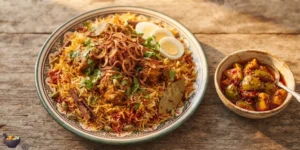
Adrak ka achar holds a special place at the Pakistani dinner table. It sits beside daal chawal, gets stuffed into parathay rolls, and turns a simple biryani into a full sensory experience. But most people who love eating it have never actually seen how it’s made — and that’s exactly what we’re breaking down today.
By the end of this guide, you’ll understand the entire traditional process, the exact spice blend that makes it authentic, and the storage tricks that keep it fresh for months. Let’s get into it.
What Makes Ginger Pickle So Special in Pakistani Cuisine
Ginger pickle isn’t just another condiment — it’s a flavor bomb built on contrast. The natural heat of fresh ginger meets sour vinegar or tangy lemon, gets rounded out by mustard oil, and finished with a spice blend that’s equal parts fiery and aromatic.
What sets traditional Pakistani ginger pickle apart from other regional versions is the emphasis on:
- Mustard oil as the preserving base rather than refined cooking oil
- Sun-drying the ginger and spice mix before sealing
- Hand-pounded spices instead of pre-mixed powders
- A balance of tanginess from vinegar or lemon with the pungency of fresh adrak
This isn’t a quick 20-minute recipe. It’s a process that respects time — and that patience is exactly why the flavor deepens the longer it sits.
If you’re curious how this fits into the wider world of Pakistani condiments, our guide on the history of achar in Pakistani cuisine is worth a read.
Essential Ingredients You’ll Need for Authentic Ginger Pickle
Before jumping into the process, let’s talk ingredients. A good homemade ginger pickle recipe depends almost entirely on ingredient quality — there’s no shortcut around this.
Fresh Ginger and Aromatics
- Fresh ginger (young, fibrous, not overly dry)
- Garlic cloves
- Green chilies (adjustable to taste)
Spices That Build the Flavor
- Turmeric powder
- Red chili powder
- Fenugreek seeds
- Mustard seeds
- Fennel seeds
- Nigella seeds (kalonji)
- Rock salt
Oil or Vinegar — Choosing Your Base
- Mustard oil (for the classic Punjabi-style achar)
- White vinegar (for a sharper, tangier finish)
Each of these plays a specific role — turmeric adds color and mild earthiness, fenugreek brings a slight bitterness that balances the heat, and mustard seeds add that signature pop of flavor once tempered in hot oil.
For a deeper dive into why vinegar plays such a critical preservation role, check out why vinegar is used for pickling.
How Ginger Pickle Is Made: Step-by-Step Traditional Process
Here’s where things get practical. This is the core of how ginger pickle is made in most traditional Pakistani kitchens — broken into five clear stages.
Step 1: Selecting and Preparing the Ginger
Start with fresh, firm ginger — avoid pieces that feel soft or overly dry. Peel it thoroughly, then slice it into thin, even strips (julienning works best for texture). Some households prefer coarsely crushing it instead, depending on regional preference.
Once sliced, the ginger is left to air-dry slightly. This step matters more than people realize — excess moisture is the number one reason homemade pickles spoil early.
Step 2: Making the Spice Blend (Achar Masala)
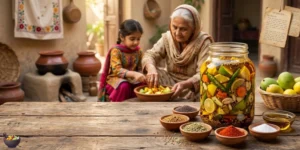
This is where the achar masala comes together. The spices — fenugreek, mustard seeds, fennel, and nigella — are dry-roasted lightly to release their oils, then coarsely ground. Turmeric and red chili powder are added at this stage along with rock salt.
The goal isn’t a fine powder — a slightly coarse texture actually helps the pickle age better and gives it that authentic bite.
Step 3: Tempering and Combining
Mustard oil is heated until it reaches a light smoking point, then allowed to cool slightly. This tempering process (locally known as tarka) is crucial — it removes the raw pungency of the oil while keeping its preservative qualities intact.
The sliced ginger, garlic, and green chilies are then mixed thoroughly with the spice blend before the warm oil is poured over everything.
Step 4: Sun-Drying and Fermentation
Once combined, the mixture is transferred into a clean container and placed in direct sunlight for several days. This isn’t just tradition for the sake of it — sun exposure helps:
- Reduce residual moisture
- Kickstart mild fermentation
- Intensify the overall flavor profile
The jar is typically shaken or stirred daily using a clean wooden spoon to redistribute the oil and spices evenly.
Step 5: Jar Sterilization and Storage
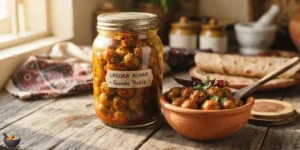
Before sealing, the storage jar must be properly sterilized — this single step prevents mold and extends shelf life dramatically. Glass jars are preferred over plastic since they don’t absorb odors or react with vinegar and oil over time.
Once packed, the jar is sealed airtight and stored in a cool, dry place — or in sunlight periodically, depending on the household’s method.
Tips for the Best Homemade Ginger Pickle Recipe
A few small details separate an average batch from a genuinely great one:
- Always use dry utensils — any moisture introduced during mixing shortens shelf life significantly
- Don’t skip the sun-drying step, even if it feels old-fashioned — it genuinely improves texture and taste
- Let the oil fully cool before adding it to raw ginger to avoid uneven cooking
- Taste and adjust salt early — it’s much harder to balance once sealed
- Use rock salt over table salt for a cleaner, more traditional flavor
If you’d rather skip the process altogether and enjoy the same authentic taste, Achar Mart’s ginger pickle is made using this exact traditional method.
Mustard Oil vs Vinegar Pickle: Which Method Is Traditional?
This is a common point of confusion, so let’s clear it up.
| Method | Flavor Profile | Shelf Life | Common Use |
|---|---|---|---|
| Mustard oil pickle | Rich, pungent, earthy | Longer with proper sun-drying | Classic Punjabi/Pakistani households |
| Vinegar pickle | Sharp, tangy, lighter | Also long-lasting, faster to prepare | Common in quicker, everyday recipes |
Both methods are considered authentic depending on the region and family tradition. Mustard oil tends to dominate in Punjab and parts of KPK, while vinegar-based versions are popular for their quicker turnaround and sharper tang.
How to Store Ginger Pickle for Maximum Shelf Life
Storage is where a lot of homemade pickles go wrong. Once your ginger achar is ready, keep these points in mind:
- Always use a dry spoon when serving — never a wet or used one
- Ensure the pickle stays fully submerged in oil to prevent air exposure
- Store in a cool, dry place away from direct heat sources
- Occasional sunlight exposure (a few hours) can actually help maintain freshness
- Refrigeration isn’t mandatory but can extend shelf life in humid climates
For a more detailed breakdown, our guide on how to store achar for maximum freshness and shelf life covers this in depth.
Health Benefits of Adrak Ka Achar
Beyond flavor, ginger pickle brings genuine nutritional value to the table:
- Aids digestion — ginger has long been used to settle the stomach
- Anti-inflammatory properties from natural ginger compounds
- Rich in antioxidants, especially when made with cold-pressed mustard oil
- Supports immunity thanks to the combination of ginger, garlic, and spices
That said, moderation matters — achar is flavorful but also salt and oil-dense. For a balanced perspective, take a look at is achar good or bad for health and our dedicated piece on ginger pickle health benefits in Pakistan.
Ginger Pickle vs Other Pakistani Pickles
Ginger pickle holds its own among Pakistan’s beloved achar varieties, but each type brings something different to the table:
- Garlic pickle — milder sweetness, less heat
- Mango pickle — fruity, tangy, seasonal favorite
- Green chili pickle — pure heat, minimal sweetness
- Mixed vegetable pickle — a bit of everything in one jar
If you enjoy experimenting, our best mix pickle in Pakistan buyer’s guide is a great next read.
Common Mistakes to Avoid When Making Ginger Pickle at Home
Even experienced home cooks run into these issues:
- Using wet ginger or utensils — the fastest way to spoil a batch
- Skipping the tempering step for the oil — leaves a raw, harsh taste
- Under-salting — salt isn’t just for flavor, it’s a preservative
- Sealing the jar too early before sun-drying is complete
- Storing in plastic containers instead of sterilized glass jars
Avoiding these small errors makes the difference between a pickle that lasts months and one that spoils within weeks.
Conclusion
Making authentic ginger pickle at home is part science, part patience, and part inherited family wisdom. From selecting fresh ginger to mastering the tempering process and understanding proper storage, every step contributes to that unmistakable, bold flavor Pakistani households have perfected over generations.
Whether you’re recreating this easy ginger pickle recipe in your own kitchen or simply want the authentic taste without the wait, the tradition behind adrak ka achar is worth appreciating — one spoonful at a time.
Craving that same authentic taste without the wait? Explore Achar Mart’s 100% homemade ginger achar, made using this exact traditional process — or browse our full pickle collection to find your next favorite jar.
Frequently Asked Questions
1. How long does homemade ginger pickle take to prepare? Traditional ginger pickle typically takes 5–7 days to mature properly, including sun-drying time, though it can be eaten sooner if you prefer a fresher taste.
2. Can I make ginger pickle without mustard oil? Yes, vinegar-based ginger pickle is a popular alternative and offers a sharper, tangier flavor with a similarly long shelf life.
3. How long does ginger pickle stay fresh? When properly sealed and stored in a sterilized jar, homemade ginger pickle can last 6–12 months at room temperature.
4. Why does my ginger pickle grow mold? Mold usually results from moisture contamination — either from wet ginger, non-sterilized jars, or using a wet spoon during storage.
5. Is ginger pickle good for digestion? Yes, ginger is well known for its digestive benefits, and when combined with mustard oil and spices, it can help stimulate digestion when eaten in moderation.