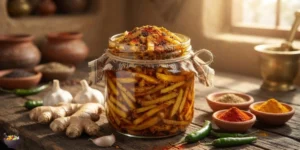
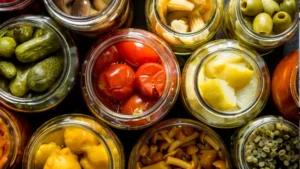
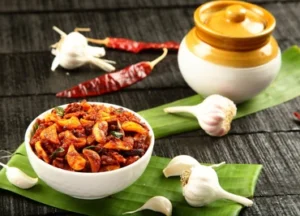
Walk into any grocery store in Pakistan and you’ll see rows of colorful pickle jars, some labeled “organic,” “natural” or “homemade,” and others simply “achar.” Prices differ, labels differ, and the claims get confusing fast. So what is the real story behind organic pickle vs regular pickle?
The short answer is that the difference lies in how the ingredients are grown, what goes into the jar, and how the pickle is made and preserved. The longer answer matters if you care about what your family eats every day. In this guide, we’ll compare both types honestly: ingredients, preservatives, taste, shelf life, price and health. You’ll also learn how to spot a genuine organic achar and avoid misleading labels.
What Is Organic Pickle?
An organic pickle is made from ingredients grown without synthetic pesticides, chemical fertilizers or artificial additives. In many countries, “organic” is a regulated term backed by organic certification. The vegetables and fruits are usually pesticide-free, and the spices and oils are non-GMO and minimally processed.
A true organic pickle usually has these traits:
- Farm-to-jar sourcing: Mangoes, lemons, carrots and garlic come from growers who avoid synthetic chemicals.
- Simple ingredient list: Vegetables or fruit, salt, spices, oil and sometimes natural vinegar.
- No artificial colors or flavors: The color comes from turmeric, red chili and the produce itself.
- Small batch pickle production: Smaller quantities allow better control over quality.
Organic pickling follows a clean label philosophy. If you can’t pronounce an ingredient, it probably shouldn’t be there.
What Is Regular Pickle?
A regular (or commercial) pickle is made to be produced fast, stored long and sold cheap. Most mass-produced pickles use conventionally grown produce, refined oils and refined salt. They often contain artificial preservatives such as sodium benzoate, synthetic vinegar and food colorants to keep the jar bright and stable for months or even years.
That doesn’t automatically make a regular pickle unsafe. Approved preservatives are allowed within regulated limits. But it does mean the product leans on additives where a traditional pickle leans on time, salt and sunlight.
Most regular pickles have these traits:
- Produce grown with conventional pesticides and fertilizers
- Refined or blended cooking oil instead of cold-pressed oil
- Synthetic or diluted vinegar for faster, cheaper pickling
- Added preservatives and sometimes colorants
- Factory-scale batches focused on volume
Organic Pickle vs Regular Pickle: Side-by-Side Comparison
| Feature | Organic Pickle | Regular Pickle |
|---|---|---|
| Produce | Grown without synthetic pesticides | Conventionally grown |
| Oil | Often cold-pressed mustard or other natural oil | Refined or blended oil |
| Salt | Rock salt or minimally processed salt | Refined iodized salt |
| Preservatives | Natural (salt, oil, spices, sun-drying) | May include sodium benzoate and others |
| Color | From spices and produce | May include food colorants |
| Method | Traditional, small batch, sun-dried | Mass-produced, machine-processed |
| Flavor | Deeper, more layered | Consistent but sometimes flat or sharp |
| Price | Higher | Lower |
| Shelf life | Shorter without additives, if stored well | Longer thanks to preservatives |
This table shows the difference between organic and regular pickle at a glance. Now let’s look at what truly matters.
Organic Pickle Ingredients: What’s Really in Your Jar?
Understanding organic pickle ingredients is the fastest way to judge quality. A typical organic mango achar might include:
- Raw mangoes, ideally heirloom mango varieties chosen for firmness and tang
- Rock salt vs refined salt: rock salt is less processed and commonly used in traditional recipes
- Spices and masalas: fennel, nigella, fenugreek, turmeric, mustard seeds and red chili
- Cold-pressed mustard oil: the traditional preserving oil of the subcontinent
A regular pickle’s label often reads very differently. You may see refined vegetable oil, acidity regulators, preservatives and artificial colorants. If you want a refresher on why acid matters in pickling, our guide on why vinegar is used for pickling explains it well.
Pro tip: The shorter and clearer the ingredient list, the better the pickle usually is.
How Organic Pickle Is Made: The Traditional Way
Authentic achar has been made in South Asian homes for generations, and organic pickle follows the same principles. The traditional pickling method usually goes like this:
- Selecting produce: Fresh, firm and pesticide-free fruit or vegetables are chosen.
- Washing and cutting: Pieces are cleaned and cut by hand or with minimal equipment.
- Salting and sun-drying: Sun-dried pickling draws out moisture, which helps stop spoilage.
- Spice mixing: Freshly ground masalas are blended.
- Oil preservation: Cold-pressed oil is poured over the mixture to seal it.
- Natural fermentation and maturing: The jar rests in sunlight for days or weeks, and natural fermentation deepens the flavor.
This slow process is why artisanal pickles taste so complex. Factory production often skips the waiting and replaces it with additives and acids. To appreciate the cultural side, read our piece on the history of achar in Pakistani cuisine.
Is Organic Pickle Healthier Than Regular Pickle?
Here’s the honest answer: organic pickle can be a cleaner choice, but it isn’t a health food.
Where organic pickle may have an edge:
- Lower exposure to synthetic pesticide residues
- No artificial colorants or synthetic preservatives
- Better-quality oils and less processed salt
- Naturally fermented pickles may contain beneficial bacteria, which supports gut health probiotics (note that oil-based achar generally contains fewer live cultures than brine-fermented pickles)
Where both types are similar:
- Both are high in sodium content, since salt is central to pickling.
- Both are meant to be eaten in small portions, as a condiment and not a main dish.
- Both contain oil, so calories add up if you overeat.
In other words, “organic” doesn’t mean “unlimited.” The real health benefit comes from cleaner ingredients combined with moderation. For a balanced look at this topic, see our article on whether achar is good or bad for health.
Organic Pickle Benefits Worth Knowing
If you’re wondering about organic pickle benefits, here are the most realistic ones:
- Cleaner ingredients: Fewer synthetic chemicals and additives
- Richer flavor: Slow maturing creates deeper taste
- Digestive support: Spices such as fennel and fenugreek are traditionally used to aid digestion, and fermented pickles may add gut-friendly bacteria
- Useful nutrients: Ingredients like amla, garlic and ginger bring their own nutritional value (see the top health benefits of pickles and amla pickle benefits)
- Transparency: Small producers usually share where and how the pickle is made
- Support for local farmers: Many organic producers work directly with growers
Chemical-Free and Preservative-Free Pickle: What Do These Labels Mean?
Be careful here. Chemical free pickle and preservative free pickle are popular marketing phrases, but they aren’t always accurate.
- Salt, oil, vinegar and spices are themselves natural preservatives. A pickle can truly be “preservative-free” in the sense of having no artificial additives.
- “Natural” is not the same as “organic.” Natural has no strict definition in most markets.
- “Chemical-free” is technically impossible, since everything is made of chemicals, including water and salt. What buyers mean is no synthetic additives.
When a brand says “preservative-free,” check whether the ingredient list backs it up. Look for the absence of sodium benzoate, potassium sorbate, artificial colors and flavor enhancers.
Shelf Life: How Long Does Organic Pickle Last?
The shelf life of pickle depends on salt level, oil coverage, moisture and storage. Regular pickles last longer largely because of preservatives. Organic pickles rely on traditional preservation, so careful storage matters more.
Follow these habits to keep any pickle fresh:
- Always use a clean, dry spoon
- Keep the pickle pieces submerged in oil
- Store the jar in a cool, dry place away from direct moisture
- Tighten the lid right after use
- Refrigerate after opening if your climate is very hot or humid
For a complete guide, read how to store achar for maximum freshness and shelf life. A well-made, properly stored organic pickle can stay good for many months, and the flavor often improves with time.
Can Diabetics Eat Organic Pickle?
This is one of the most searched questions, and the answer needs care. Most oil-based pickles contain little or no added sugar, but they are high in salt and oil. People with diabetes often also have blood pressure or heart concerns, so portion control is essential. Sweet pickles, such as those made with jaggery or sugar syrup, can raise blood sugar more.
Organic or not, diabetics should keep portions small and talk to their doctor or dietitian about what suits their condition.
Organic Mango Pickle and Organic Lemon Pickle: Where the Difference Shows
The gap between organic and regular is easiest to taste in the classics.
Organic Mango Pickle
Organic mango pickle made with firm raw mangoes, cold-pressed mustard oil and fresh masalas has a bright tang and balanced heat. Regular versions can taste overly sharp from synthetic vinegar. Explore our mango pickle or read the best mango pickle buyer’s guide.
Organic Lemon Pickle
Organic lemon pickle relies on salt and time to soften the peel and mellow the bitterness. It is traditionally valued for its sour, savory punch. Browse the lemon pickle collection or compare flavors in mango pickle vs lime pickle.
Why Is Organic Pickle More Expensive? Is It Worth It?
If you’re asking about organic pickle price, you’ve probably noticed it costs more. The reasons are practical:
- Farming costs: Organic growing usually means lower yields and more labor
- Quality ingredients: Cold-pressed oil and fresh spices cost more than refined alternatives
- Small batches: Smaller production lacks the economies of scale
- Slow process: Sun-drying and maturing take weeks
- Certification and testing: Where applicable, certification adds expense
So, is organic pickle worth it? If you eat achar regularly, value clean ingredients and enjoy deeper flavor, it often is. If you eat pickle only occasionally and mainly want a cheap side, a quality regular pickle with a clear, simple label may be enough. The best choice is the one you can verify and enjoy in moderation.
Organic Pickle vs Homemade Pickle
A homemade organic pickle gives you full control over ingredients, salt and oil. But it takes time, space and know-how. Even a small mistake with moisture can spoil a batch.
If you want to try it yourself, our guides on how to make crunchy mango pickle and spicy garlic pickle are good starting points. If you’d rather skip the work, a trusted small-batch producer can give you homemade-style quality without the effort.
How to Identify Real Organic Pickle (and Read the Label)
Not every “organic” jar is truly organic. Use this checklist before buying:
- Check for certification from a recognized body, or ask the seller to explain their sourcing
- Read the ingredient list: short and clear is best
- Avoid red flags: sodium benzoate, artificial colors, flavor enhancers, “permitted colors”
- Look at the oil: is it cold-pressed mustard oil, or unspecified “edible oil”?
- Check batch information: manufacturing and expiry dates, plus contact details
- Ask questions: a trustworthy seller will happily explain how the pickle is made
- Trust your senses: natural pickle smells fresh and spicy, not chemical or overly sharp
Organic Pickle in Pakistan: Where to Buy Authentic Achar
Interest in organic pickle in Pakistan is growing as more people look for cleaner food, but the market is still mixed. Many products use the word “organic” loosely, so it’s smart to buy from sellers who are open about their process.
If you’re looking for organic achar online, start with buying organic achar online in Pakistan, where you’ll find sourcing and quality guidance. You can also explore these:
- Buy pickles online in Pakistan
- Authentic Pakistani pickles guide
- Traditional Pakistani mixed pickle guide
- Our full pickle shop
How to Choose the Best Organic Pickle Brand
Wondering who makes the best organic pickle brand? Instead of chasing a single name, judge any brand on these points:
- Transparency: Do they share ingredients, process and sourcing?
- Consistency: Do customer reviews mention steady quality?
- Freshness: Are the batches recent?
- Flavor range: Do they offer classics like mix pickle, garlic pickle and ginger pickle?
- Honest pricing: Cheap can mean cutting corners, and very expensive doesn’t guarantee quality
Final Verdict: Organic Pickle vs Regular Pickle
When you compare organic pickle vs regular pickle, the real differences are clear:
- Organic uses cleaner, pesticide-free ingredients and traditional methods.
- Regular uses faster, cheaper processing, often with additives.
- Organic usually tastes deeper and costs more.
- Neither is a “health food,” since both are salty and oily, so enjoy them in moderation.
The smartest approach is to read labels, ask questions, and choose a pickle you trust. Whether you buy organic or regular, quality ingredients and honest production are what matter most.
Ready to Taste the Difference?
Skip the guesswork and explore small-batch, traditionally made pickles from Achar Mart. Browse our full collection and find your favorite flavor today.
Frequently Asked Questions (FAQs)
What is the difference between organic and regular pickle?
Organic pickle is made from pesticide-free produce, natural oils and spices, and traditional methods, usually without artificial preservatives or colors. Regular pickle is typically mass-produced from conventionally grown produce and often includes additives such as sodium benzoate and colorants.
Is organic pickle really healthier than regular pickle?
It can be a cleaner choice because it avoids synthetic additives and pesticide residues. However, it is still high in salt and oil, so portion size matters more than the label.
Does organic pickle contain preservatives?
Organic pickle relies on natural preservation: salt, oil, spices, sun-drying and sometimes natural vinegar. It generally avoids synthetic preservatives.
How long does organic pickle last?
When stored in a cool, dry place with the pieces covered in oil and handled with a dry spoon, it can last many months. Shelf life varies by recipe and storage.
Can diabetics eat organic pickle?
In small portions, many oil-based pickles are low in sugar, but they are high in salt. Diabetics should avoid sweet pickles and consult their doctor or dietitian first.
Why is organic pickle more expensive?
Organic farming, cold-pressed oil, quality spices, small-batch production and slow traditional processing all raise the cost.
How can I identify real organic pickle?
Check for certification or transparent sourcing, read the ingredient list, avoid artificial additives, and buy from sellers who clearly explain how their pickle is made.
Is store-bought pickle safe to eat daily?
Occasional or small daily portions are usually fine for most healthy adults, but the high sodium content means moderation is important, especially for people with blood pressure or heart concerns.