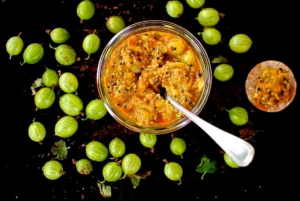
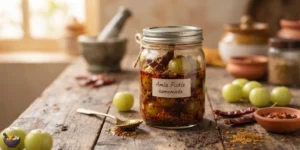
If you’ve ever wondered how that tangy, spicy jar of amla achar on your dinner table comes to life, you’re about to find out. This amla pickle recipe has been passed down through generations in Pakistani households, and once you understand the traditional method behind it, you’ll never look at a jar of pickle the same way again. Whether you’re curious about how to make amla pickle from scratch or simply want to appreciate the craftsmanship behind this beloved condiment, this guide walks you through every single step.
Amla, also known as Indian gooseberry, isn’t just a random pickling ingredient — it’s a nutritional powerhouse wrapped in a sour, slightly bitter fruit that transforms into something magical once it meets mustard oil, spices, and time. Let’s unpack exactly how this happens.
🌿 What Is Amla Pickle? A Quick Introduction
Amla pickle, or amla achar, is a traditional South Asian condiment made from Indian gooseberries preserved in oil, salt, and a blend of aromatic spices. It’s a staple in Pakistani and Punjabi kitchens, often served alongside parathas, daal, rice, and everyday meals.
What makes it special isn’t just the taste — it’s the process. Unlike quick pickles you might find in Western cuisine, traditional Pakistani amla pickle relies on sun-drying, careful spice balancing, and natural fermentation to develop its signature flavor over days or even weeks.
If you’re new to the world of achar, our guide on the history of achar in Pakistani cuisine offers great context on how deeply pickling is woven into our food culture.
💪 Why Amla Pickle Deserves a Spot in Every Pakistani Kitchen
Before we get into the making process, it’s worth understanding why amla pickle has survived generations of kitchen traditions. This isn’t just about taste — it’s about function, preservation, and health.
Health Benefits of Amla Pickle
Amla is often called a superfood in Ayurvedic and traditional medicine circles, and for good reason:
- Extremely high in Vitamin C — supporting immunity, especially during winter months
- Aids digestion — the natural acidity and fiber content help stimulate digestive enzymes
- Rich in antioxidants — helps combat oxidative stress in the body
- Supports liver health — traditionally used in Ayurvedic remedies for detoxification
- May help regulate blood sugar — some studies suggest amla has a mild hypoglycemic effect
For a deeper dive into this, check out our detailed breakdown of the top 5 benefits of amla pickle.
Nutritional Value at a Glance
| Nutrient | Benefit |
|---|---|
| Vitamin C | Boosts immunity, skin health |
| Fiber | Supports digestion |
| Iron | Aids in blood health |
| Antioxidants | Fights free radical damage |
| Polyphenols | Anti-inflammatory properties |
It’s also worth noting that pickles in general — when made traditionally and consumed in moderation — offer surprising wellness perks. Our article on is achar good or bad for health tackles this question honestly, without the extremes.
🧂 Traditional Pakistani Amla Pickle: Ingredients You’ll Need
Every great amla achar recipe starts with the right ingredients. Here’s what a classic Pakistani-style batch requires:
Main Ingredients:
- 1 kg fresh amla (Indian gooseberries)
- 500 ml mustard oil (cold-pressed for authentic flavor)
- Salt (to taste, usually 100–150g for preservation)
Spice Blend:
- Red chili powder (2–3 tablespoons)
- Turmeric powder (1 tablespoon)
- Fennel seeds, crushed (2 tablespoons)
- Fenugreek seeds / methi dana (1 tablespoon)
- Mustard seeds (1 tablespoon)
- Nigella seeds / kalonji (1 teaspoon)
- Asafoetida / heeng (a pinch)
Mustard oil plays a critical role here — not just for flavor, but for preservation. If you’re curious why oil-based pickling works so well, our piece on why vinegar is used for pickling explains the science behind different preservation liquids, even though this particular recipe relies on oil rather than vinegar.
👩🍳 How to Make Amla Pickle: Step-by-Step Process
Now for the part you’ve been waiting for. This amla pickle making process follows the exact traditional method used in Pakistani homes for decades.
Step 1: Selecting and Preparing Fresh Amla
Start by choosing firm, unblemished amla fruits — avoid any that feel soft or have brown spots, as these won’t pickle well.
- Wash the amla thoroughly under running water
- Pat dry completely (moisture is the enemy of good pickling)
- Some recipes call for pricking the amla with a fork or knife to help spices penetrate; others prefer boiling briefly to soften them slightly
Step 2: Sun-Drying for Authentic Flavor
This step is what separates a truly traditional Pakistani amla pickle from a shortcut version.
- Spread the washed amla on a clean cloth or tray
- Leave them under direct sunlight for 4–6 hours
- This reduces excess moisture and intensifies the fruit’s natural tang
Sun-drying isn’t just tradition for tradition’s sake — it genuinely improves shelf life and texture, which is why so many sun-dried pickle recipes across South Asia follow this same principle.
Step 3: Preparing the Spice Masala
While the amla dries, prepare your spice mix:
- Dry roast fennel seeds, mustard seeds, and fenugreek seeds lightly until aromatic
- Grind coarsely (not into a fine powder — texture matters in achar)
- Mix with red chili powder, turmeric, nigella seeds, and asafoetida
- Add salt at this stage to help it blend evenly
Step 4: Mixing with Mustard Oil
- Heat the mustard oil until it reaches smoking point, then let it cool slightly
- This step reduces the oil’s raw pungency while preserving its preservative qualities
- Once cooled to a warm temperature, combine the oil with your spice mix to form a thick, aromatic paste
Step 5: Combining and Fermentation
- Place the sun-dried amla in a sterilized glass jar
- Pour the spiced oil mixture over the fruit, ensuring every piece is well coated
- Seal the jar and place it in direct sunlight for 5–7 days, shaking or stirring gently every day
- This natural fermentation process allows the flavors to deepen and the oil to fully infuse the amla
By the end of this period, you’ll have a jar of glossy, deeply flavored homemade amla pickle ready to enjoy.
🎯 Amla Pickle Making Process: Tips for Perfect Texture and Taste
A few insider tips can make the difference between an average batch and an exceptional one:
- Always use a completely dry jar — even a trace of water can spoil the entire batch
- Never use wet spoons when serving pickle from the jar
- Keep the oil level high — the amla pieces should stay fully submerged to prevent mold
- Rotate sun exposure — turning the jar helps even fermentation
- Taste-test at day 3 — adjust salt or chili if needed before the final curing days
These small details are exactly why traditional homemade batches often taste noticeably better than mass-produced versions — the attention to detail simply can’t be automated.
🌶️ Pakistani Style Amla Pickle: Popular Variations
Once you’ve mastered the base recipe, there’s room to experiment. Here are a couple of popular twists on the classic.
Spicy Amla Pickle
For those who love extra heat, increase the red chili powder and add crushed dried red chilies directly into the jar. Some households also add a touch of garlic paste for a punchier flavor profile.
Amla Pickle Without Oil
For a lighter, lower-fat version, some recipes skip the oil entirely and rely on salt, lemon juice, and sun-drying for preservation. This version has a shorter shelf life but appeals to those watching their oil intake.
If you’d rather skip the DIY process altogether and enjoy an expertly made version, our best amla pickle in Pakistan buyer’s guide can help you choose a high-quality, ready-made option.
🏺 How to Store Amla Pickle for Maximum Freshness
Proper storage is just as important as the making process. Here’s how to keep your amla pickle fresh for months:
- Store in a cool, dry place away from direct heat sources
- Always use a dry spoon when serving
- Keep the jar tightly sealed between uses
- Ensure the pickle stays submerged in oil at all times
- Occasionally sun the jar for an hour every few weeks to prevent moisture buildup
For a complete breakdown of achar storage best practices across different pickle types, our guide on how to store achar for maximum freshness and shelf life covers everything you need to know.
🆚 Homemade vs Store-Bought Amla Pickle: Which One Wins?
This is a fair question, and honestly, the answer depends on your priorities.
| Factor | Homemade | Store-Bought (Quality Brand) |
|---|---|---|
| Time investment | High (7–10 days) | None |
| Flavor control | Full control | Fixed recipe |
| Consistency | Varies by batch | Consistent every time |
| Convenience | Low | High |
| Hygiene control | Depends on process | Professionally controlled |
If you love the process and have the time, making it at home is deeply rewarding. But if you want that same authentic taste without the wait, a trusted brand can deliver consistent quality every time. You can explore buy pickles online in Pakistan for a convenient alternative that doesn’t compromise on tradition.
❓ Frequently Asked Questions
Q1: How long does homemade amla pickle last? When stored properly with adequate oil coverage, homemade amla pickle can last 6 months to a year at room temperature, and even longer if refrigerated.
Q2: Can I make amla pickle without sun-drying? Yes, though sun-drying enhances flavor and extends shelf life. Some quicker recipes skip this step but typically have a shorter storage period.
Q3: Why does my amla pickle taste bitter? Slight bitterness is natural to amla, but excessive bitterness usually means the fruit wasn’t fully ripe or wasn’t dried long enough before pickling.
Q4: Is amla pickle good for weight loss? Amla pickle is low in calories and high in fiber, which can support digestion, but the oil content means it should be consumed in moderation as part of a balanced diet.
Q5: What type of oil is best for amla pickle? Mustard oil is the traditional and preferred choice due to its natural preservative properties and distinct flavor that complements the tanginess of amla.
🎬 Final Thoughts: Bringing Tradition Into Your Kitchen
Making amla pickle at home is more than just following a recipe — it’s connecting with a culinary tradition that has nourished Pakistani households for generations. From selecting the right amla to patiently waiting through the fermentation days, every step adds character to the final jar sitting on your kitchen shelf.
Whether you decide to try this traditional Pakistani amla pickle recipe yourself or prefer the convenience of a trusted, authentically made option, one thing is certain — amla pickle deserves a permanent place in your pantry.
Ready to taste the tradition without the wait? Explore our handpicked amla pickle collection or grab a jar of our best-selling Amla Pickle — made using time-honored methods and 100% authentic ingredients. Visit our shop today and bring home the flavor of real Pakistani tradition.