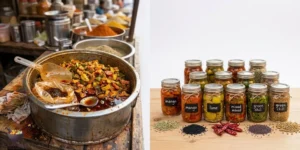
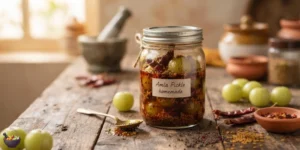
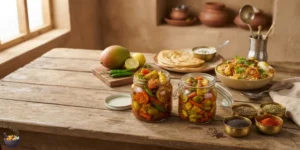
Picture a plate of tangy chana chaat on a warm afternoon. Now picture a spoonful of spicy white chickpea pickle next to your daal and roti. Both come from the same humble legume, and both are loved across Pakistan. Yet when it comes to white chickpea pickle vs chana chaat nutrition, they behave very differently once they reach your body.
One is a fresh, fiber-rich snack. The other is a bold, oil-and-spice condiment that is eaten in small amounts. So which one is actually healthier? The honest answer is: it depends on how much you eat, how it is made, and what your health goals are.
In this guide, we compare calories, protein, fiber, sodium, oil, glycemic impact, and digestion, so you can choose with confidence. We also share easy tips to make both healthier, a simple recipe, and answers to common questions.
Quick Answer: Which Is Healthier?
- Chana chaat is generally the better everyday snack. It is lighter in oil, lower in sodium, and gives you more protein and fiber per serving.
- White chickpea pickle is a flavor booster, not a main snack. It is higher in oil and salt per gram, but a small spoonful adds taste, some fiber, and plant protein to a meal.
- Best approach: enjoy chana chaat as your snack, and use white chickpea pickle as a small side. Do not treat them as direct substitutes.
What Is White Chickpea Pickle?
White chickpea pickle, often called kabuli chana achar, is made from large, cream-colored chickpeas (also known as garbanzo beans). The chickpeas are boiled until tender, then mixed with spices such as fennel, nigella seeds, turmeric, red chili, and salt. The mixture is preserved in oil, traditionally mustard oil pickle style, and sometimes with a little lemon juice or vinegar.
Because the chickpeas soak up the oil and spices, the pickle is rich, tangy, and very flavorful. It is usually served as a side with paratha, biryani, daal chawal, or simple khichdi. If you want to see how local buyers choose a good one, read our guide on the best white chickpea pickle in Pakistan.
What Is Chana Chaat?
Chana chaat is one of the most popular street food chaat dishes in Pakistan and India. It is made from boiled chickpeas tossed with chopped onion, tomato, cucumber, green chili, fresh coriander, lemon juice, and chaat masala. Some versions add boiled potato, yogurt, or tamarind chutney.
It is served fresh, which is why it feels light and refreshing. It is also easy to customize at home, which gives you full control over salt, oil, and sweet chutney.
Key Differences at a Glance
- Preparation: Chana chaat is fresh and mixed just before eating. Chickpea pickle is preserved in oil and spices.
- Serving size: A chaat bowl is about 150 to 200 grams. A pickle serving is usually just 1 to 2 tablespoons (15 to 30 grams).
- Oil content: Chaat uses little or no oil. Pickle contains a good amount of oil by design.
- Salt level: Chaat is mild to moderate. Pickle is high in sodium because salt acts as a preservative.
- Role in a meal: Chaat is a snack or light meal. Pickle is a condiment.
Nutritional Value Per 100g: Side-by-Side Comparison
Before the numbers, one important note. Nutrition values vary widely depending on the recipe, the amount of oil, and the brand. The figures below are approximate estimates based on typical cooked chickpea values (plain boiled chickpeas provide roughly 160 calories and 9 grams of protein per 100 grams) and common home or traditional recipes. Always check the label of the product you buy.
| Nutrient (per 100g) | Plain Boiled Chickpeas | Chana Chaat (homemade) | White Chickpea Pickle (oil-based) |
|---|---|---|---|
| Calories | ~165 kcal | ~120 to 160 kcal | ~180 to 300 kcal |
| Protein | ~9 g | ~6 to 8 g | ~4 to 7 g |
| Dietary fiber | ~7.5 g | ~5 to 7 g | ~4 to 6 g |
| Total fat | ~2.6 g | ~1.5 to 3 g | ~12 to 22 g |
| Carbohydrates | ~27 g | ~18 to 24 g | ~12 to 20 g |
| Sodium | Very low | ~250 to 450 mg | ~1,000 to 2,000 mg |
Per typical serving:
- One bowl of chana chaat (150 g): roughly 180 to 240 calories, 9 to 12 g protein, 8 to 10 g fiber.
- One tablespoon of chickpea pickle (15 g): roughly 30 to 45 calories, about 1 g protein, and 150 to 300 mg sodium.
See the pattern? Per gram, pickle is more calorie-dense because of the oil. But per serving, a spoonful of pickle adds far fewer calories than a full bowl of chaat. That is why portion size matters so much in this comparison.
Chana Chaat Calories and Nutrition Facts
If you are searching for chana chaat calories, here is the simple version. A plain, homemade bowl made with boiled chickpeas, onion, tomato, lemon, and chaat masala usually lands between 180 and 240 calories. That is a very reasonable number for a filling snack.
The numbers climb when you add extras:
- Fried papdi or crunchy sev can add 80 to 150 calories.
- Sweet tamarind chutney adds sugar.
- Boiled potato adds more carbohydrates.
- Yogurt with sugar or heavy cream raises the fat content.
So a loaded street-style chaat can be 300 calories or more, while a clean homemade version stays much lighter.
Protein in Chana Chaat
Chickpeas are one of the best sources of plant-based protein. A bowl of chana chaat typically provides 9 to 12 grams of protein. That makes it a smart option for vegetarians who want to stay full and support muscle repair. If you are building a high-protein plate, you can add a boiled egg, paneer cubes, or a side of yogurt.
Fiber in White Chickpeas
The fiber in white chickpeas is a major reason they are so filling. A single bowl of chana chaat can deliver around a third of the daily fiber target for many adults. This soluble and insoluble fiber helps you feel full longer and supports regular digestion.
Vitamins and Minerals
Chickpeas also bring useful vitamins and minerals, including iron and folate, magnesium, potassium, zinc, and B vitamins. Adding tomato, lemon, and fresh coriander to chaat increases vitamin C, which can help your body absorb the plant-based iron better.
White Chickpea Pickle Calories and Nutrition
Now let us look at chickpea pickle calories. Because the chickpeas are bathed in oil and spices, the calorie count per 100 grams is higher than chaat. However, nobody eats 100 grams of pickle in one sitting. A realistic serving of one to two tablespoons brings in roughly 30 to 90 calories.
The real watch-out is sodium content. Pickling relies on salt, so a small serving can contribute a noticeable part of your daily sodium. If you manage blood pressure, this matters. You can read a balanced overview in our article on whether achar is good or bad for health.
How Much Oil Is Used in Chickpea Pickle?
Traditional recipes use enough oil to coat the chickpeas fully and create a thin protective layer on top, which keeps the pickle fresh for months. The exact amount differs by recipe, but it is meaningfully higher than what you would find in chana chaat. A good tip is to lift the chickpeas with a spoon and let the extra oil drain back into the jar before serving.
Is There Probiotic Value?
You may see claims about fermented pickle probiotics. Be careful here. Most oil-based and vinegar-based pickles, including chickpea achar, are preserved rather than truly fermented with live cultures. So you should not rely on them as a probiotic source. For a deeper look at how pickling works, see our post on why vinegar is used for pickling.
Benefits of White Chickpea Pickle
Despite the higher oil and salt, white chickpea pickle benefits are real when it is eaten in moderation:
- Plant protein and fiber: The chickpeas themselves still provide protein and fiber in every spoonful.
- Flavor that makes healthy food enjoyable: A little pickle can make plain daal, rice, or vegetables much more appealing, so you are more likely to eat balanced meals.
- Spice benefits: Ingredients like turmeric, fennel, and nigella seeds have long traditional use in South Asian kitchens.
- Appetite stimulation: The tangy, spicy taste can encourage appetite, which helps people who eat too little.
- Long shelf life: Properly made pickle lasts for months when stored correctly. Learn how in our guide to storing achar for maximum freshness.
For a wider look at the topic, explore the top 6 health benefits of pickles.
Chana Chaat Nutrition: The Benefits
Here is why many nutritionists recommend chana chaat as a healthy snack option:
- High in protein and fiber: This combination keeps you satisfied and helps control snacking.
- Low in saturated fat: When made without fried toppings, it is naturally light.
- Rich in complex carbohydrates: These release energy more slowly than refined snacks.
- Hydrating and fresh: Cucumber, tomato, and lemon add water, vitamins, and crunch.
- Easy to customize: You control the salt, oil, and sweetness.
Head-to-Head: Which Is Healthier?
Let us settle the debate across the categories people care about most.
1. Calories and Weight Loss
If you want a low calorie snack, chana chaat is the clear winner. A bowl keeps you full for around 200 calories. For chickpea pickle for weight loss, the pickle is not a snack, but it can fit if you use a small spoon as flavor and drain excess oil. Large portions can quietly add up in calories.
2. Protein
Chana chaat wins on protein in chana chaat because you eat a larger portion of actual chickpeas. Pickle contributes protein too, but only in small amounts per serving.
3. Fiber and Digestive Health
Chana chaat gives more total fiber per serving, which supports digestive health. Pickle contributes a smaller amount, though its spices and tang may feel stimulating to digestion for some people. Others may find very spicy, oily food irritating, especially with acidity or reflux.
4. Sodium
This is where chaat clearly beats pickle. A tablespoon of pickle can carry as much sodium as a full bowl of lightly salted chaat. If you watch your salt intake, treat pickle as an occasional accent.
5. Blood Sugar and Glycemic Index
Chickpeas have a relatively low glycemic index, which means they raise blood sugar more gently than many starchy foods. That is true for both dishes. Chana chaat made with simple ingredients is a good option for many people with diabetes when portions are sensible. Sweet chutneys, potato, and fried toppings can change that, so keep them minimal. People managing diabetes should confirm portions with their doctor or dietitian.
6. Oil and Fat
Pickle has more oil by nature. Chaat has very little unless you add fried toppings. For heart health, choose chaat more often and keep pickle portions small.
Final Scorecard
| Category | Winner |
|---|---|
| Lowest calories per serving | Chickpea pickle (tiny serving) / Chana chaat (as a snack) |
| Protein per serving | Chana chaat |
| Fiber per serving | Chana chaat |
| Lowest sodium | Chana chaat |
| Lowest oil | Chana chaat |
| Flavor boost with small portions | White chickpea pickle |
Verdict: For daily nutrition, chana chaat is healthier. For flavor and variety, white chickpea pickle earns its place as an occasional side.
Can Diabetics Eat Chana Chaat or Chickpea Pickle?
Chana chaat can usually fit into a diabetic-friendly diet because chickpeas are high in fiber and protein, which slow sugar absorption. Keep the portion to about one cup, skip sweet chutney, and avoid fried crisps. Chickpea pickle can be eaten in small amounts, but the salt and oil content means moderation is key. This is general information, not medical advice, so please follow your healthcare provider’s guidance.
How to Make Chana Chaat Healthier
Want to get even more from your bowl? Try these easy upgrades:
- Use boiled chickpeas instead of canned ones with added salt, or rinse canned chickpeas well.
- Add lots of vegetables: cucumber, tomato, onion, bell pepper, and carrot.
- Replace sweet chutney with fresh lemon juice and mint.
- Use plain yogurt instead of cream-based toppings.
- Add a small amount of roasted cumin and black pepper for flavor without extra salt.
- Skip deep-fried toppings, or use a few roasted peanuts instead.
Healthy Chana Chaat Recipe (Serves 2)
Ingredients:
- 1.5 cups boiled white chickpeas (kabuli chana)
- 1 medium onion, finely chopped
- 1 tomato, chopped
- 1 small cucumber, diced
- 1 green chili, chopped
- 2 tablespoons fresh coriander
- Juice of 1 lemon
- 1 teaspoon chaat masala
- Pinch of roasted cumin powder
- Salt to taste (go light)
Method:
- Rinse the boiled chickpeas and drain well.
- Add them to a large bowl with the onion, tomato, cucumber, and green chili.
- Sprinkle chaat masala, cumin, and salt.
- Squeeze in the lemon juice and toss gently.
- Top with fresh coriander and serve immediately.
This simple bowl is typically around 200 calories per serving, rich in fiber, and ready in 10 minutes.
How to Enjoy White Chickpea Pickle the Smart Way
You do not have to give up pickle. Just eat it wisely:
- Stick to 1 tablespoon per meal.
- Drain extra oil before serving.
- Pair it with fiber-rich foods like daal, vegetables, or whole wheat roti.
- Reduce added salt in the rest of your meal.
- Choose a quality product made with clean ingredients and a clear label.
Looking for meal ideas? Our list of the 10 best Pakistani dishes to pair with achar is a great place to start.
White Chana Achar Recipe (Simple Home Version)
If you prefer to make your own, here is a straightforward method for a classic white chana achar.
Ingredients:
- 2 cups boiled white chickpeas, fully dried on a clean cloth
- 1/2 cup mustard oil (or your preferred pickling oil)
- 1 tablespoon fennel seeds (crushed)
- 1 teaspoon nigella seeds
- 1 teaspoon turmeric
- 1 to 2 teaspoons red chili powder
- 1.5 teaspoons salt
- Juice of 2 lemons
- 4 to 5 green chilies, slit
Method:
- Make sure the chickpeas are completely dry. Moisture is the biggest enemy of homemade pickle.
- Heat the oil until it just starts smoking, then let it cool fully.
- Mix the spices, salt, and chilies with the chickpeas.
- Pour in the cooled oil and lemon juice, and mix well.
- Fill a clean, dry glass jar, press down, and keep the chickpeas covered with oil.
- Let it rest for 3 to 5 days in a sunny spot, shaking the jar daily.
New to making pickles? Start with 5 reasons to start pickling at home. And if you would rather skip the work, you can order ready-made white chickpea pickle from Achar Mart.
Who Should Be Careful?
- People with high blood pressure: Watch the sodium in pickle and in packaged chaat masala.
- People with acidity or reflux: Spicy, oily food may trigger discomfort.
- People with kidney concerns: Check with a doctor about legumes and salt.
- People with digestive sensitivity to legumes: Chickpeas can cause gas in some people. Soaking and cooking them well helps.
When in doubt, talk to a qualified doctor or dietitian about what suits your health needs.
Frequently Asked Questions (FAQs)
Which is healthier: chana chaat or chickpea pickle?
Chana chaat is healthier for everyday eating. It has more protein and fiber per serving, less oil, and much lower sodium. Chickpea pickle is best enjoyed in small portions as a flavorful side.
How many calories are in chana chaat?
A simple homemade bowl (about 150 grams) usually has 180 to 240 calories. Adding fried toppings, potato, or sweet chutney can push it to 300 calories or more.
Is white chickpea pickle good for health?
In moderation, yes. It offers plant protein, fiber, and traditional spices. However, it is high in salt and oil, so keep portions to about one tablespoon.
What is the difference between chana chaat and pickle?
Chana chaat is a fresh dish made with boiled chickpeas, vegetables, lemon, and chaat masala. Chickpea pickle is a preserved condiment made with spices and oil. Chaat is a snack, while pickle is a side.
Does chana chaat help with weight loss?
It can support weight loss because it is high in protein and fiber, which keep you full. Keep the portion sensible and avoid fried toppings and sugary chutneys.
How much protein is in a bowl of chana chaat?
A typical bowl provides around 9 to 12 grams of protein, depending on the amount of chickpeas used.
Is pickled chickpea high in sodium?
Yes. Salt is used as a preservative, so pickled chickpeas are much higher in sodium than fresh chana chaat. Small portions are best.
Can diabetics eat chana chaat?
Many people with diabetes can enjoy chana chaat in controlled portions because chickpeas have a low glycemic index. Avoid sweet chutney and fried toppings, and consult your doctor for personal advice.
Is chickpea pickle good for digestion?
The chickpeas provide fiber, and some people find the spices stimulating for digestion. However, it is not a true probiotic food, and very spicy or oily pickle may bother sensitive stomachs.
How much oil is used in chickpea pickle?
The amount varies by recipe, but oil-based pickles contain noticeably more fat than fresh chaat. Draining extra oil before serving helps reduce the calories.
Conclusion
When we compare white chickpea pickle vs chana chaat nutrition, the answer is clear but nuanced. Chana chaat is the lighter, higher-protein, lower-sodium choice that works beautifully as a daily snack. White chickpea pickle is a rich, tangy condiment that brings joy to simple meals, as long as you keep the portion small.
You do not need to pick only one. Enjoy a fresh bowl of chaat when you want a satisfying snack, and add a spoonful of good-quality pickle when you want to elevate your daal, rice, or paratha. Balance, portion size, and quality ingredients are what make any food a smart choice.
Ready to Taste the Difference?
If you love the bold flavor of traditional achar, try authentic white chickpea pickle from Achar Mart, made with quality ingredients and classic spices. You can also browse the full white chickpea pickle category, explore our complete pickle shop, or read our guide to buying pickles online in Pakistan. Order today and bring authentic homemade taste to your table.