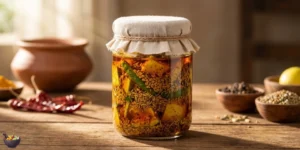
If you’ve ever wondered how lime pickle is made the authentic way, you’re about to discover a recipe that has survived generations of Pakistani kitchens without changing a single spice. This isn’t the mass-produced, vinegar-soaked version you find on some supermarket shelves — this is the real thing: sun-dried limes, hand-ground masalas, and a slow fermentation process that turns simple citrus into something tangy, spicy, and deeply addictive. Whether you’re planning to make it at home or simply want to appreciate what goes into every jar of authentic Pakistani lime pickle, this guide walks you through the entire traditional process, step by step.
🕰️ What Makes Pakistani Lime Pickle Special
Lime pickle, known locally as nimbu ka achar, holds a unique place in South Asian food culture. Unlike quick-pickled Western condiments that rely on vinegar and refrigeration, traditional desi achar depends on sun, salt, and time.
A few things set the Pakistani version apart:
- No shortcuts with vinegar — the tang comes naturally from fermentation and the lime’s own acidity.
- Mustard oil as the base — it preserves the pickle and adds a distinct pungency you won’t find elsewhere.
- Sun-drying is non-negotiable — it draws out moisture and intensifies flavor over days, not hours.
- Regional spice blends — every household tweaks the achar masala slightly, which is why no two jars ever taste exactly alike.
If you’re curious about how this tradition evolved, our piece on the history of achar in Pakistani cuisine traces its roots back generations.
🧾 Essential Ingredients for Authentic Lime Pickle
Before diving into the process, let’s talk about lime achar ingredients — because getting these right is half the battle.
Core Ingredients
- Fresh limes — firm, thin-skinned, and slightly underripe for the best texture
- Mustard oil — the traditional preserving agent and flavor carrier
- Salt — for curing and moisture extraction
- Red chili powder — for heat
- Turmeric powder — for color and mild earthiness
- Fenugreek seeds (methi) — adds a subtle bitterness that balances the tang
- Nigella seeds (kalonji) — a signature aromatic in most Pakistani pickles
- Garlic and ginger — for depth and pungency
- Asafoetida (heeng) — used sparingly but essential for that authentic achar aroma
Why Mustard Oil Matters
Mustard oil isn’t just a cooking medium here — it’s a preservative. Its natural antibacterial properties help the pickle stay fresh for months without refrigeration, which is exactly why mustard oil pickle recipes have dominated Pakistani and Punjabi kitchens for centuries. If you’re comparing spice profiles across different pickle types, our traditional Pakistani mixed pickle guide breaks down how these same core spices show up across other achar varieties too.
👩🍳 How Lime Pickle Is Made — Step-by-Step Traditional Process
This is the heart of it. Let’s unpack the lime pickle process exactly as it’s done in traditional Pakistani households, from raw lime to finished achar.
Step 1: Selecting and Preparing the Limes
Start by washing the limes thoroughly and drying them completely — any leftover moisture invites mold, and that’s the fastest way to ruin a batch. Each lime is then cut into quarters or eighths, depending on size, keeping the pieces intact enough to hold their shape during curing.
- Choose limes that are firm, not soft or overripe
- Avoid any lime with blemishes or soft spots
- Pat dry with a clean cloth before cutting
Step 2: Salt-Curing the Cut Limes
Once cut, the lime pieces are generously coated in salt and left in a covered bowl or jar for several days. This is the salt-cured lime stage, and it’s crucial — the salt draws out excess moisture from the lime skin, softens the rind, and kickstarts a mild natural fermentation.
During this stage:
- Stir the limes daily to redistribute the salt
- Keep the container in a warm, dry spot
- Expect the limes to release liquid and soften noticeably by day 3–4
Step 3: The Sun-Drying Process
Here’s where sun-dried lime pickle earns its name. The salted limes are spread out on a clean tray or cloth and left under direct sunlight for several hours daily, over multiple days. This step:
- Reduces excess moisture that could cause spoilage
- Concentrates the natural lime flavor
- Softens the rind further, making it easier to blend with spices
Depending on weather and sunlight intensity, this sun-drying process can take anywhere from 3 to 7 days. Patience here pays off directly in shelf life and flavor depth.
Step 4: Preparing the Achar Masala
While the limes are curing, it’s time to prepare the spice mix — the achar masala that gives lime pickle its signature punch. Traditional households dry-roast whole spices lightly before grinding to release their essential oils, then combine:
- Red chili powder
- Turmeric powder
- Roasted fenugreek seeds
- Nigella seeds
- Crushed garlic and ginger
- A pinch of asafoetida
- Salt to taste
This masala blend is what separates a bland pickle from one that’s bursting with layered flavor.
Step 5: Mixing and Fermenting
Once the limes are sufficiently sun-dried and the masala is ready, mustard oil is heated until it reaches a light smoking point, then cooled slightly before being poured over the lime and spice mixture. Everything is mixed thoroughly using a wooden spoon — a wooden spoon is preferred over metal because it doesn’t react with the acidic lime or affect the flavor.
The mixture is then transferred into a sealed glass jar, and this is where the real transformation begins:
- The jar is left in a warm spot, often near a window with sun exposure
- Every day or two, it’s opened briefly and stirred to ensure even fermentation
- Over 2–4 weeks, the flavors deepen, the lime softens further, and the pickle develops its signature tang
This slow fermenting process is non-negotiable if you want authentic depth of flavor — rushing it with shortcuts like added vinegar changes the character of the pickle entirely, which is a topic we cover in more detail in why vinegar is used for pickling.
Step 6: Storing for Maximum Freshness
Once fermented to taste, the pickle is topped up with a final layer of mustard oil — this acts as a natural seal, preventing air and moisture from spoiling the batch. Stored properly in a cool, dry place inside an airtight container, homemade lime pickle can easily last 6 months to a year.
For a complete breakdown on keeping your achar fresh long-term, check out our guide on how to store achar for maximum freshness and shelf life.
💡 Tips for Perfect Homemade Lime Pickle
Making lime pickle at home isn’t complicated, but a few small details make a big difference:
- Always use dry utensils — any moisture introduced during mixing or stirring can spoil the entire batch
- Don’t skip the sun-drying step — it’s tempting to rush, but this stage is what gives the pickle its concentrated flavor and longevity
- Use a glass jar, not plastic — plastic can react with the acidic lime over time and affect taste
- Stir with clean, dry hands or a wooden spoon — never introduce bacteria through unclean tools
- Adjust spice levels gradually — you can always add more chili powder later, but you can’t take it out
🍋 Lime Pickle vs Other Pickle Varieties
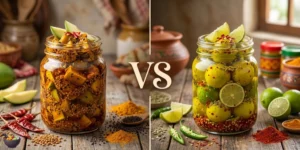
Curious how lime pickle stacks up against other popular Pakistani achar types? Here’s a quick comparison:
| Pickle Type | Flavor Profile | Key Ingredient | Fermentation Time |
|---|---|---|---|
| Lime Pickle | Tangy, sour, spicy | Fresh lime | 2–4 weeks |
| Mango Pickle | Sweet-tangy, spicy | Raw mango | 1–3 weeks |
| Garlic Pickle | Pungent, spicy | Whole garlic cloves | 1–2 weeks |
| Ginger Pickle | Sharp, warming | Fresh ginger | 1–2 weeks |
If you’re deciding between the two most popular varieties, our detailed comparison on mango pickle vs lime pickle in Pakistan covers everything from taste to health benefits.
❤️ Health Benefits Worth Knowing
Beyond flavor, lime pickle carries genuine nutritional value — it’s rich in Vitamin C, supports digestion through natural fermentation, and the mustard oil base offers its own set of benefits. For a full breakdown of what this pickle does for your body, our article on lime pickle health benefits in Pakistan goes in depth. And if you’ve ever wondered whether achar in general is good or bad for you, this piece on achar and health settles the debate with facts, not myths.
🛒 Buying Authentic Pakistani Lime Pickle Online
Not everyone has the time, sunlight, or patience for a multi-week fermentation process — and that’s completely understandable. If you’d rather skip straight to enjoying authentic, traditionally-made lime pickle without the DIY effort, Achar Mart’s Lime Pickle is made using the exact same time-honored process described above — sun-dried limes, hand-ground achar masala, and slow natural fermentation, with zero shortcuts.
For those comparing options before buying, our best lime pickle in Pakistan buyer’s guide is a helpful read. And if you’re exploring the wider range of authentic Pakistani achar available online, browse our full shop or read our guide on authentic Pakistani pickles.
🎯 Final Thoughts
Making lime pickle the traditional way is equal parts patience and precision — from sun-drying the limes to slow-fermenting them in mustard oil and hand-ground spices. It’s a process that can’t be rushed, and honestly, that’s exactly why it tastes the way it does. Every step, from salting to sealing the jar, plays a role in building that signature tang and heat that Pakistani lime pickle is loved for.
Whether you decide to try this recipe in your own kitchen or prefer to skip ahead and enjoy a jar made the authentic way, one thing’s certain — real lime pickle is worth the wait.
Ready to taste the difference? Order Achar Mart’s authentic Lime Pickle today and experience traditional Pakistani flavor delivered straight to your door.
❓ Frequently Asked Questions
How long does it take to make lime pickle at home?
The full process — from salt-curing to sun-drying to fermentation — typically takes 3 to 5 weeks, depending on sunlight and weather conditions.
Can I make lime pickle without mustard oil?
Mustard oil is traditional because it acts as a natural preservative. While you can substitute other oils, the pickle won’t have the same flavor or shelf life.
Why does lime pickle need to be sun-dried?
Sun-drying removes excess moisture from the limes, which prevents spoilage and concentrates the natural citrus flavor before fermentation begins.
How long does homemade lime pickle last?
When stored properly in an airtight glass jar with adequate mustard oil covering, homemade lime pickle can last 6 months to a year.
Is lime pickle good for health?
Yes — lime pickle is rich in Vitamin C and, thanks to natural fermentation, supports gut health. Read more in our health benefits guide.