If you’ve ever wondered how crush pickle is made the traditional way, you’re about to discover a process that has been perfected in Pakistani kitchens for generations. This isn’t just another crush pickle recipe — it’s a story of sun-dried vegetables, hand-roasted spices, and mustard oil coming together to create one of the most loved condiments in South Asian cuisine. Whether you’re planning to make it at home or simply curious about what goes on behind the scenes before it reaches your table, this guide walks you through every single step.
At Achar Mart, we’ve spent years perfecting our own version of this beloved condiment, and we’re excited to pull back the curtain on the entire crush achar making process.
What Is Crush Pickle? A Quick Introduction
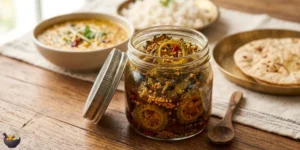
Crush pickle, often called “crush achar,” is a spicy, tangy, oil-based pickle made from a mix of coarsely chopped or “crushed” vegetables and fruits. Unlike smooth chutneys, crush pickle retains a chunky texture, which gives it a satisfying bite alongside its bold flavor profile.
It typically combines ingredients like:
- Green chilies
- Carrots
- Ginger
- Garlic
- Lemon or mango pieces
All of these are blended with a rich mix of spices and mustard oil to create a preserved, shelf-stable condiment that Pakistani households keep on hand year-round.
If you’d like to see the finished product before diving into the process, check out our Crush Pickle collection to get a sense of what authentic, well-made crush achar should look and taste like.
The Cultural Roots of Crush Pickle in Pakistani Cuisine
Pickle-making in Pakistan isn’t just a cooking technique — it’s a cultural ritual. Long before refrigeration was common, families relied on traditional pickling methods to preserve seasonal produce for months, sometimes years.
Crush pickle specifically gained popularity because it allowed households to use up leftover or slightly underripe vegetables without wasting anything. Grandmothers across Punjab, Sindh, and KPK developed their own regional variations, each with a signature spice blend passed down as a closely guarded family recipe.
To understand this deeper, our article on the history of achar in Pakistani cuisine offers a fascinating look at how pickling became such a cornerstone of desi kitchens.
Crush Pickle Ingredients You’ll Need
Before jumping into the process, let’s break down the crush pickle ingredients that form the backbone of an authentic recipe.
Core Vegetables and Fruits
- Green chilies (whole or roughly chopped)
- Carrots (cut into small chunks)
- Fresh ginger
- Garlic cloves
- Raw mango or lemon (for tanginess)
- Optional: cauliflower or turnip for texture variety
Key Spices for Authentic Flavor
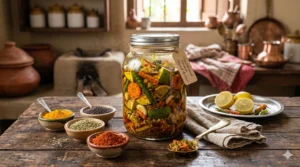
The spice blend is where the real magic happens. A traditional Pakistani mixed pickle recipe typically calls for:
- Red chili powder
- Turmeric powder (haldi)
- Fenugreek seeds (methi), roasted and ground
- Nigella seeds (kalonji)
- Fennel seeds (saunf)
- Mustard seeds (rai)
- Salt (used generously as a natural preservative)
Each spice plays a specific role — turmeric adds color and mild antibacterial properties, while fenugreek contributes that slightly bitter, earthy depth that defines authentic desi achar.
Choosing the Right Oil
Mustard oil is the traditional choice because of its pungent flavor and natural preservative qualities. Some recipes substitute sesame oil for a milder taste, but for genuine traditional Pakistani pickle recipe results, mustard oil remains the gold standard.
Curious why oil (and sometimes vinegar) matters so much in preservation? Our piece on why vinegar is used for pickling explains the science behind it.
How Crush Pickle Is Made: Step-by-Step Process
Now for the part you’ve been waiting for — the actual pickle making process step by step. This is where patience and precision matter just as much as the ingredients themselves.
Step 1: Selecting and Washing Vegetables
Everything starts with quality produce. Vegetables must be fresh, firm, and free from blemishes. They’re thoroughly washed and then completely dried — even a small amount of residual water can cause the pickle to spoil prematurely.
Step 2: Cutting into Crushed/Chopped Pieces
Unlike smooth pastes, crush pickle requires vegetables to be roughly chopped or lightly crushed using a mortar and pestle or a coarse grinder. This creates the signature chunky texture that sets crush achar apart.
Step 3: Sun-Drying Process
This is one of the most important — and often overlooked — stages. The chopped vegetables are spread out on clean cloths or trays and left under direct sunlight for several hours, sometimes over multiple days. This sun-drying pickle technique removes excess moisture, which is critical for long-term preservation and prevents fungal growth.
Step 4: Roasting and Preparing Spices
While the vegetables dry, the spices are dry-roasted in a pan without oil. Roasting releases essential oils from the seeds, intensifying their aroma and flavor. Once roasted, they’re coarsely ground to preserve texture rather than turned into a fine powder.
Step 5: Mixing with Mustard Oil
The dried vegetables and roasted spice mix are combined in a large bowl, then generously coated with warm (not boiling) mustard oil. The oil is heated first to reduce its raw pungency, then cooled slightly before mixing — a technique called oil tempering in traditional cooking.
Step 6: Fermentation and Curing
This is where the flavors truly develop. The mixture is transferred into clean, sterilized glass jars and left to cure — often placed in sunlight during the day — for anywhere from one to three weeks. During this pickle curing time, the vegetables absorb the oil and spices, and the natural fermentation process begins, creating that distinctive tangy depth.
Step 7: Storage in Airtight Jars
Once fully cured, the crush pickle is sealed in airtight containers and stored in a cool, dry place. Proper storage is essential — if you want to know more about this stage specifically, our detailed guide on how to store achar for maximum freshness and shelf life covers everything you need.
Traditional vs Modern Crush Achar Making Process
While the core technique hasn’t changed much, modern kitchens have introduced a few practical adjustments:
| Aspect | Traditional Method | Modern Adaptation |
|---|---|---|
| Drying | Multi-day sun exposure | Shorter drying with occasional dehydrator use |
| Spice grinding | Hand-ground with mortar & pestle | Electric grinders for consistency |
| Curing time | 2-3 weeks in direct sunlight | Sometimes reduced with controlled warm storage |
| Batch size | Large family-sized batches | Smaller, more frequent batches |
Despite these shortcuts, the most authentic-tasting crush pickle still follows the slower, traditional route — which is exactly the standard we maintain when preparing our Crush Pickle range.
Tips for Making the Best Homemade Crush Pickle Recipe
If you’re attempting this homemade crush pickle recipe yourself, keep these practical tips in mind:
- Never skip the drying step — moisture is the number one cause of spoiled pickle.
- Use glass jars, not plastic — plastic can react with oil and spices over time.
- Sterilize your jars thoroughly before adding the mixture to avoid contamination.
- Stir occasionally during the curing period to ensure even oil distribution.
- Taste-test after one week to adjust salt or chili levels if needed.
- Store away from direct heat sources once curing is complete, to preserve flavor longevity.
Small mistakes at any stage can affect shelf life, so following each part of the traditional achar making method closely really does pay off.
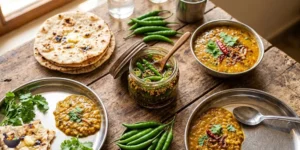
How to Serve Crush Pickle – Best Pairings
Crush pickle isn’t just a side note on the plate — it’s often the flavor that ties an entire meal together. It pairs wonderfully with:
- Roti and daal
- Biryani and pulao
- Parathas at breakfast
- Grilled meats and kebabs
For more inspiration, take a look at our roundup of 10 best Pakistani dishes to pair with achar — it’s a great way to elevate everyday meals with minimal effort.
Health Considerations Worth Knowing
Like most fermented and oil-based condiments, crush pickle should be enjoyed in moderation due to its salt and oil content. That said, it also offers digestive benefits thanks to the fermentation process and the spices used.
If you’re curious about the broader health picture, our articles on crush pickle health benefits and is achar good or bad for health break this down in more detail.
Why Choose Achar Mart’s Crush Pickle
Making crush pickle at home is rewarding, but it does require time, patience, and the right conditions — not everyone has the space for multi-day sun-drying or weeks of curing.
That’s exactly where Achar Mart comes in. We follow the same traditional Pakistani pickle recipe outlined above — using sun-dried vegetables, hand-roasted spices, and pure mustard oil — so you get authentic, home-style flavor without the wait.
You can explore our full range of authentic pickles directly through our online pickle shop or read more about what makes our products stand out in our guide on authentic Pakistani pickles.
If you’re specifically comparing options before buying, our best crush pickle in Pakistan buyer’s guide is worth a read too.
Conclusion
Understanding how crush pickle is made reveals just how much care, tradition, and craftsmanship goes into this humble jar of condiment. From sun-drying vegetables to hand-roasting spices and patiently curing the mixture for weeks, every step contributes to that unmistakable tangy, spicy flavor that Pakistani households have cherished for generations.
Whether you decide to try this crush pickle recipe at home or prefer the convenience of a trusted, authentic brand, the key takeaway is this: real crush achar takes time, and that time is exactly what makes it worth savoring.
🛒 Ready to Taste Authentic Crush Pickle?
Skip the weeks of preparation and bring home the same traditional flavor — crafted with sun-dried vegetables, hand-roasted spices, and pure mustard oil. Order Achar Mart’s Crush Pickle today and experience homemade taste, delivered straight to your door.
Frequently Asked Questions (FAQs)
Q1: How is crush pickle different from regular achar? Crush pickle uses coarsely chopped or crushed vegetables rather than whole pieces or fine pastes, giving it a distinct chunky texture and stronger spice concentration per bite.
Q2: How long does it take to make crush pickle traditionally? The full process, including sun-drying and curing, typically takes two to three weeks from start to finish.
Q3: Can I make crush pickle without mustard oil? Yes, sesame oil can be used as a substitute, though mustard oil is preferred for its authentic pungency and natural preservative qualities.
Q4: How long does homemade crush pickle stay fresh? When stored properly in airtight jars away from moisture and direct heat, homemade crush pickle can last six months to a year.
Q5: Is crush pickle spicy? Yes, it’s typically quite spicy due to the combination of green chilies and red chili powder, though the heat level can be adjusted to taste.
Q6: Why is sun-drying important in the pickle-making process? Sun-drying removes excess moisture from vegetables, which is essential for preventing bacterial growth and ensuring long-term preservation.