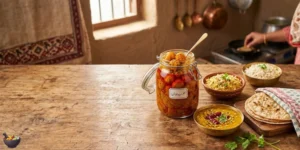
If you’ve ever wondered how to make Lasora pickle the way your grandmother used to, you’re in exactly the right place. This Lasora Pickle Recipe has been passed down through generations of Pakistani households, carrying with it the earthy tang of sun-ripened fruit, the warmth of mustard oil, and the comforting aroma of freshly ground spices. It’s not just a condiment — it’s a small jar of tradition that turns a plain roti and daal into a feast.
In this guide, we’ll walk through everything from selecting the right Lasora fruit to the final sealing of the jar, so you can recreate this authentic village-style achar right in your own kitchen.
🌳 What Is Lasora Pickle?
Lasora, scientifically known as Cordia dichotoma, is a small, sticky, olive-shaped fruit that grows abundantly across rural Pakistan and parts of South Asia. It’s also known regionally as Gunda or Lasoda, depending on which part of the country you’re in.
What makes Lasora unique is its slightly mucilaginous texture, which — once pickled — transforms into a chewy, tangy bite that pairs beautifully with spicy masalas. Unlike mango or lime pickle, Lasora has a milder natural flavor, which makes it the perfect canvas for bold Pakistani spice blends.
If you’re curious how it compares to other regional pickles, our traditional Pakistani mixed pickle guide breaks down how different fruits and vegetables come together in classic desi achar.
🏡 Why Lasora Pickle Is a Pakistani Kitchen Staple
Lasora pickle isn’t a trend — it’s a tradition rooted in Pakistan’s rural food culture. Long before refrigeration was common, families relied on pickling as a preservation food technique to make seasonal produce last through the year.
Here’s why it has held its place at the dinner table for generations:
- It uses simple, locally available ingredients
- The oil-and-spice preservation method requires no refrigeration
- It adds a burst of flavor to otherwise simple meals
- It reflects regional identity — every household has its own version
For a deeper look at how achar became such a beloved part of desi food culture, check out our post on the history of achar in Pakistani cuisine.
💪 Health Benefits of Lasora Pickle
Beyond its bold flavor, Lasora pickle also brings some nutritional value to the table when consumed in moderation:
- Rich in fiber — supports healthy digestion
- Contains antioxidants — from turmeric and red chili
- Probiotic potential — natural fermentation supports gut health
- Low-calorie flavor booster — adds taste without heavy calories
We’ve covered this topic extensively in our dedicated article on Lasora pickle health benefits. And if you’re wondering whether achar in general is good for your health, our guide on is achar good or bad for health answers that in detail.
🧂 Essential Ingredients for Lasora Pickle Recipe
Before we get into the process, let’s talk about what actually goes into a proper batch of homemade Lasora achar.
Main Ingredients
- Fresh Lasora fruit (Cordia dichotoma)
- Mustard oil (cold-pressed, for authentic flavor)
- Salt (rock salt preferred)
- White vinegar (optional, for extended shelf life)
Spices & Flavoring Agents
- Red chili powder
- Turmeric powder
- Fenugreek seeds (methi dana)
- Mustard seeds (rai)
- Fennel seeds (saunf)
- Garlic paste
- Ginger paste
- Nigella seeds (kalonji)
Vinegar plays a particularly important role in extending the shelf life of pickles by creating an acidic environment that inhibits bacterial growth. If you want to understand this science better, our article on why vinegar is used for pickling explains it clearly.
👩🍳 Step-by-Step Lasora Pickle Making Process
Now for the part you’ve been waiting for — the actual Lasora Pickle Making Process, broken down step by step.
Step 1: Selecting and Cleaning the Lasora Fruit
Choose firm, slightly unripe Lasora fruits — overripe ones turn mushy and don’t pickle well. Wash them thoroughly and pat them completely dry. Any leftover moisture can cause the pickle to spoil early, so this step should never be rushed.
Step 2: The Sun-Drying Process
This is where the magic of traditional preservation begins. Spread the cleaned Lasora fruit on a clean cloth or tray and leave it under direct sunlight for one to two days. The sun-dried pickle process removes excess moisture and slightly firms up the fruit, which helps it absorb spices better later on.
This technique is one of the oldest preservation food methods used across Pakistani households, especially during the summer season pickle-making months.
Step 3: Preparing the Spice Blend
While the fruit dries, prepare your masala. Dry roast fenugreek seeds, mustard seeds, and fennel seeds lightly, then grind them coarsely. Mix this with red chili powder, turmeric, garlic paste, and ginger paste. This spice blending step is what gives Lasora achar its signature bold, tangy-spicy character.
Step 4: Mixing with Mustard Oil
Heat mustard oil until it reaches a light smoking point, then let it cool slightly. Combine the sun-dried Lasora fruit with the prepared spice mix, then pour the warm mustard oil over the mixture. This oil preservation method not only enhances flavor but also acts as a natural barrier against spoilage.
Step 5: Fermentation and Jar Sterilization
Transfer everything into a completely dry, sterilized glass jar — this jar sterilization step is critical, as any residual moisture or bacteria can ruin an entire batch. Seal the jar and place it in sunlight for several days, opening it briefly each day to stir. This fermentation period allows the flavors to deepen and mature.
Step 6: Final Storage
Once the pickle has matured (usually seven to ten days), store the jar in a cool, dry place away from direct sunlight for long-term use. Always use a clean, dry spoon when serving to avoid introducing moisture or bacteria into the jar.
🏘️ Village-Style vs Modern Lasora Achar Making
There’s a noticeable difference between how Lasora pickle is made in rural villages versus modern urban kitchens.
| Aspect | Village-Style Method | Modern Method |
|---|---|---|
| Drying | Full sun exposure over open courtyards | Controlled indoor drying racks |
| Oil | Locally pressed mustard oil | Store-bought refined or mustard oil |
| Fermentation | Extended, weather-dependent | Shorter, temperature-controlled |
| Spice Grinding | Hand-ground with stone grinders | Electric grinders |
Both methods can produce delicious results, but the village-style approach tends to develop deeper, more complex flavors due to the slower, natural fermentation process. If you enjoy that authentic touch, our authentic Pakistani pickles guide explores this traditional approach further.
💡 Tips for Perfect Homemade Lasora Achar
A few small details can make a big difference in your final result:
- Always use bone-dry utensils and jars
- Never touch the pickle with wet hands
- Use good-quality mustard oil for authentic flavor
- Stir the jar daily during the fermentation period
- Store away from heat sources once fully matured
For more general pickling wisdom, our post on the benefits of pickling fruits and vegetables offers useful context on why these preservation steps matter so much.
🫙 How to Store Lasora Pickle for Maximum Freshness
Proper storage is what separates a pickle that lasts months from one that spoils in weeks. Keep these points in mind:
- Store in a cool, dark cupboard rather than near a stove or window
- Ensure the oil layer always covers the pickle fully
- Refrigerate during extremely hot summer months if needed
- Use a dry spoon every single time
We’ve written a full guide on how to store achar for maximum freshness and shelf life if you’d like more detailed storage strategies.
🛍️ Where to Buy Authentic Lasora Pickle in Pakistan
Making Lasora pickle at home is rewarding, but it does take time, patience, and the right ingredients. If you’d rather enjoy the same authentic, village-style flavor without the wait, Achar Mart offers a ready-made option crafted using traditional methods.
You can explore our Lasora Pickle product page for a jar made with real sun-dried fruit and cold-pressed mustard oil, or browse our full Lasora Pickle category for more options.
For a broader comparison of what makes a great Lasora pickle, our best Lasora pickle in Pakistan buyer’s guide is worth a read. And if you’re looking to explore our entire range of authentic Pakistani achar, visit our online shop or read our overview on authentic Pakistani achar online.
🍽️ What to Pair with Lasora Pickle
Lasora achar isn’t just a side note — it can elevate an entire meal. It pairs beautifully with:
- Daal chawal (lentils and rice)
- Paratha and lassi breakfasts
- Karahi and grilled meats
- Simple roti and sabzi combinations
For more pairing ideas, check out our list of 10 best Pakistani dishes to pair with achar.
❓ Frequently Asked Questions
1. What is Lasora pickle made of? Lasora pickle is made primarily from Cordia dichotoma fruit, mustard oil, salt, and a blend of spices including red chili, turmeric, fenugreek, and mustard seeds.
2. Is Lasora pickle the same as Gunda pickle? Yes, Lasora is regionally known as Gunda or Lasoda in different parts of Pakistan — they refer to the same fruit and pickle.
3. How long does homemade Lasora achar take to mature? Typically, it takes seven to ten days of sun exposure and occasional stirring for the flavors to fully develop.
4. Can Lasora pickle be stored without a refrigerator? Yes, if made and stored correctly with proper oil coverage and dry handling, Lasora pickle can be stored at room temperature for several months.
5. Is Lasora pickle healthy? In moderation, yes — it offers fiber, antioxidants, and potential probiotic benefits from natural fermentation.
🎯 Final Thoughts
Making Lasora pickle at home connects you to a tradition that has flavored Pakistani meals for generations. From selecting the right fruit to the patient sun-drying and fermentation process, every step matters in creating that unmistakable tangy, spicy character.
Whether you choose to make your own batch following this Lasora Pickle Recipe or prefer the convenience of a trusted, authentically made jar, the goal remains the same — bringing real, traditional flavor to your table.
Ready to taste the difference? Explore our Lasora Pickle collection at Achar Mart and bring home a jar made the way it’s always been done — slow, sun-dried, and full of authentic Pakistani flavor.