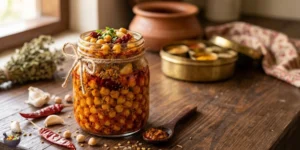
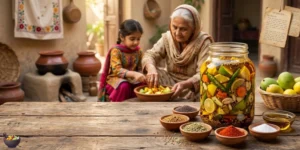
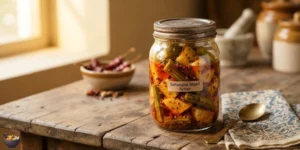
If you’ve ever opened a jar of homemade achar and been hit with that unmistakable wave of mustard oil, roasted spices, and sun-dried tang — you already know why the Sohanjna Mooli Pickle Recipe holds such a special place in Pakistani kitchens. This isn’t just another condiment. It’s a centuries-old tradition passed down through mothers and grandmothers, blending the earthy goodness of moringa (sohanjna) with the crisp bite of radish (mooli), all preserved the way nature intended — with oil, salt, and patience.
In this guide, we’re walking through the entire process step by step, from selecting the right vegetables to the final jar sitting pretty on your shelf. Whether you’re a curious home cook or someone who simply wants to understand what goes into the achar you love, this is your complete breakdown of how to make Sohanjna pickle the authentic Pakistani way.
🌿 What Is Sohanjna Mooli Pickle? A Quick Introduction
Sohanjna Mooli Pickle is a traditional Pakistani pickle recipe that combines two humble but powerful ingredients — moringa pods (sohanjna) and radish (mooli) — with a robust blend of desi spices and mustard oil. It’s tangy, spicy, slightly pungent, and deeply satisfying alongside almost any meal.
What sets this pickle apart from your average achar is the nutritional punch it carries. Moringa is often called a “superfood” for good reason, and radish brings its own detoxifying properties to the table. Together, they create a pickle that’s as good for your body as it is for your taste buds.
If you’re curious about the deeper health angle, our detailed piece on Sohanjna Mooli Pickle health benefits covers exactly why nutritionists and desi households alike swear by this combination.
🏆 Why This Traditional Pakistani Pickle Recipe Stands Out
Pakistan has no shortage of pickle varieties — from mango to garlic to mixed veggie achar. So why does Sohanjna Mooli Pickle deserve a spot in your pantry?
- Unique flavor profile — earthy moringa meets sharp, peppery radish
- Rich in fiber and antioxidants, unlike many oil-heavy pickles
- Naturally preserved using sun-drying and mustard oil, no artificial additives needed
- Versatile pairing — works with parathas, daal chawal, or even plain roti
This combination of taste and function is exactly why it’s earned a dedicated following. If you want a broader comparison of how it stacks up against other regional favorites, check out our guide on the best Sohanjna Mooli Pickle in Pakistan.
Health Benefits of Moringa and Radish Combined
Moringa leaves and pods are loaded with vitamin C, iron, and antioxidant compounds that support immunity and digestion. Radish, meanwhile, is known for its detoxifying and anti-inflammatory properties. When pickled together in mustard oil with warming spices, the two create a condiment that supports digestive health while still delivering that punch of flavor Pakistani food is famous for.
For a deeper dive into whether achar in general helps or harms your health, our article Is Achar Good or Bad for Health? breaks down the science in a balanced, easy-to-understand way.
🧂 Essential Ingredients for Homemade Mooli Pickle
Before we get into the process, let’s talk about what actually goes into a proper batch of homemade Mooli pickle. Authenticity starts with the right ingredients, and desi achar is unforgiving if you skip a step or substitute cheap oil.
Here’s what you’ll typically need:
- Sohanjna (Moringa) pods — fresh, tender, and free of blemishes
- Mooli (Radish) — firm and crisp, sliced into even pieces
- Mustard oil — the backbone of any authentic Pakistani achar
- Fenugreek seeds (Methi dana) — for that slightly bitter, aromatic depth
- Nigella seeds (Kalonji) — adds a distinct earthy note
- Red chili powder — for heat and color
- Turmeric powder — for color and its natural preservative quality
- Salt — the primary preserving agent
- Vinegar — optional, but helps extend shelf life
- Garlic — crushed or sliced, for pungency
- Fennel seeds (Saunf) and Mustard seeds (Rai) — rounding out the spice blend
Spices That Make Desi Achar Masala Special
What separates a good pickle from a forgettable one is the desi achar masala — that carefully balanced mix of whole and ground spices that gets toasted before it ever touches the vegetables. Toasting fenugreek, mustard, and fennel seeds lightly before grinding them releases essential oils that deepen the flavor considerably. This is a step many home cooks skip, but it’s the difference between an achar that tastes flat and one that tastes like it came straight from your grandmother’s kitchen.
If mustard oil’s role in preservation has you curious, our piece on why vinegar is used for pickling explains the science behind both oil and vinegar-based preservation methods.
👩🍳 How to Make Sohanjna Pickle: Step-by-Step Process
Now for the part you’ve been waiting for — the actual Moringa Pickle preparation process. This traditional method has been refined over generations, and while it takes some patience, the results are absolutely worth it.
Step 1 – Preparing the Vegetables
Start by washing the sohanjna pods and mooli thoroughly. Trim the moringa pods and cut them into 2-3 inch pieces, discarding any overly fibrous or woody sections. Slice the radish into thin, even rounds or strips — consistency in size matters because it affects how evenly everything marinates later.
Step 2 – Sun-Drying Method
This is where traditional Pakistani pickle-making really shines. Spread the chopped vegetables on a clean cloth or tray and leave them under direct sunlight for several hours, ideally a full day. This sun-drying process removes excess moisture, which is critical — any leftover water content can cause the pickle to spoil prematurely or develop mold.
Sun-drying isn’t just about preservation, either. It slightly concentrates the natural flavors of both the moringa and radish, giving the final pickle a more intense, satisfying taste.
Step 3 – Mixing Spices and Mustard Oil
Once the vegetables are properly dried, it’s time to bring in the spice blend. Heat mustard oil until it reaches a light smoking point, then let it cool slightly before adding it to the dried vegetables — this tempers the oil’s sharpness while still preserving its preservative qualities.
Add your toasted and ground fenugreek, kalonji, red chili powder, turmeric, crushed garlic, fennel, and mustard seeds. Mix everything thoroughly, making sure every piece of radish and moringa gets coated in oil and spice.
Step 4 – Marination and Fermentation
This is the step that separates rushed pickles from properly made ones. Allow the mixture to marinate for several days, stirring it once daily to redistribute the oil and spices. This fermentation process allows the flavors to meld together and mellow out any harsh, raw spice notes.
Depending on the weather and your personal taste preference, marination can take anywhere from 5 to 15 days.
Step 5 – Jar Storage and Preservation
Once your pickle has matured to your liking, transfer it into a properly sterilized glass pickle jar. Make sure the vegetables are fully submerged in mustard oil — oil acts as a barrier against air and bacteria, which is essential for long-term preservation.
For a complete guide on keeping your achar fresh long after the making process, our article on how to store achar for maximum freshness and shelf life is worth a read.
🇵🇰 Pakistani Style Achar Making: Tips for Best Results
Traditional achar-making is as much art as it is science. A few tips that consistently make the difference between an average batch and an exceptional one:
- Never use wet utensils when handling the pickle — moisture is the enemy of shelf life
- Use a wooden spoon rather than metal, which can react with the acidic, oily mixture
- Keep the jar in direct sunlight for the first week to aid fermentation
- Top up with fresh oil periodically if vegetables become exposed
- Taste-test gradually — spice levels intensify over time, so don’t over-season early on
If you’re interested in the cultural backstory of how these techniques developed, our feature on the history of achar in Pakistani cuisine offers a fascinating look at how these preservation methods evolved over generations.
🏺 How to Store Sohanjna Achar for Maximum Freshness
Even a perfectly made pickle can go to waste without proper storage. Here’s what matters most:
- Store the jar in a cool, dry place, away from direct heat sources
- Always use a clean, dry spoon when serving to avoid introducing moisture or bacteria
- Keep the jar tightly sealed between uses to prevent air exposure
- If oil levels drop below the vegetable line, top it up promptly
- Refrigeration isn’t mandatory for oil-based pickles but can extend shelf life further in humid climates
Proper storage habits can keep your Sohanjna Mooli Pickle fresh and flavorful for up to a year, sometimes longer, if the fundamentals are followed correctly.
🍛 Serving Ideas: Pairing Moringa Radish Pickle with Meals
One of the best things about this Moringa Radish Pickle is how versatile it is at the dinner table. A small spoonful can transform an otherwise simple meal into something memorable.
Some popular pairings include:
- Daal chawal with a side of achar for extra kick
- Parathas at breakfast, especially during winter mornings
- Biryani or pulao, where the tanginess cuts through the richness
- Plain roti and sabzi for an everyday comfort meal
For more inspiration on what to serve alongside your homemade or store-bought achar, take a look at our list of 10 best Pakistani dishes to pair with achar.
🛒 Buy Authentic Sohanjna Mooli Pickle Online in Pakistan
Making pickle from scratch is deeply rewarding, but we understand not everyone has the time or patience for a two-week fermentation process. If you’d rather skip straight to enjoying that authentic, traditional taste, Acharmart offers a ready-made version crafted using the exact same time-honored methods described above.
You can explore our Sohanjna Mooli Pickle product page for a jar made with real moringa, fresh radish, and traditional mustard oil — no shortcuts, no artificial preservatives. We also carry a full range of options in our Mooli Pickle category if you’d like to compare varieties.
Looking for more options beyond mooli? Browse our complete shop or explore authentic Pakistani pickles online for a wider selection of traditionally made achar.
❓ Frequently Asked Questions
1. How long does homemade Sohanjna Mooli Pickle last? When properly prepared and stored — meaning fully submerged in mustard oil and kept away from moisture — this pickle can last up to a year at room temperature, and even longer if refrigerated.
2. Can I make this pickle without mustard oil? Mustard oil is traditional and preferred for its preservative qualities and distinct flavor, but sesame oil can be used as a substitute if needed. The taste and shelf life will differ slightly.
3. Why is sun-drying important in the pickling process? Sun-drying removes excess moisture from the vegetables, which prevents spoilage and mold growth. It also intensifies the natural flavors of both moringa and radish before they’re combined with spices.
4. Is Sohanjna Mooli Pickle good for health? Yes, in moderation. Moringa is rich in antioxidants and vitamins, while radish supports digestion. Since achar is oil and salt-heavy, it’s best enjoyed as a flavorful side rather than a main dish component.
5. What’s the ideal marination time for this pickle? Most traditional recipes recommend 5 to 15 days of marination, depending on weather conditions and personal taste preference for how mellow or sharp you want the final flavor to be.
🌟 Final Thoughts
Making Sohanjna Mooli Pickle at home is more than following a recipe — it’s about honoring a tradition that’s been perfected over generations of Pakistani kitchens. From the careful sun-drying of vegetables to the patient days of marination, every step contributes to a jar of achar that’s bursting with flavor, nutrition, and history.
Whether you decide to roll up your sleeves and make a batch yourself, or you’d rather enjoy the same authentic taste without the wait, there’s no wrong way to appreciate this beloved condiment.
Ready to taste tradition without the two-week wait? Grab a jar of our authentic Sohanjna Mooli Pickle today and bring real Pakistani flavor straight to your table.