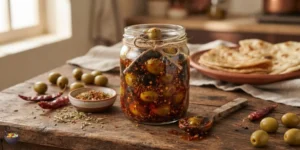
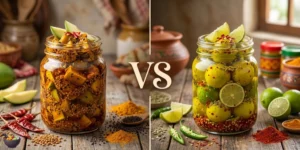
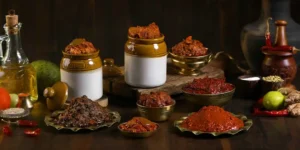
If you’ve ever opened a jar of homemade achar and instantly felt transported to your grandmother’s kitchen, you already understand why Sohanjna Mooli Pickle holds such a special place in Pakistani households. This isn’t just another condiment sitting on the shelf — it’s a carefully balanced blend of Moringa (Sohanjna) and Radish (Mooli), simmered in spices and oil until every bite delivers a punch of tang, heat, and nutrition. Whether you’re searching for the perfect jar to pair with your daily roti or trying to understand what separates authentic achar from mass-produced imitations, this guide walks you through everything you need to know before you buy.
By the end of this article, you’ll know exactly how to identify quality, understand fair pricing, and decide whether homemade or store-bought is the right choice for your kitchen.
🌿 What Is Sohanjna Mooli Pickle? Understanding the Basics
Before diving into buying tips, it helps to understand what makes this pickle unique. Sohanjna Mooli Pickle combines two powerhouse ingredients that Pakistani households have trusted for generations.
Sohanjna (Moringa Oleifera) – Nature’s Superfood
Sohanjna, known globally as Moringa Oleifera, is often called a “miracle tree” for good reason. It’s packed with vitamins, antioxidants, and anti-inflammatory compounds that support everything from immunity to bone health. When pickled correctly, it retains much of its nutritional punch while gaining a deep, earthy flavor.
Mooli (Radish/Raphanus Sativus) – The Crunchy Companion
Mooli brings the crunch and a naturally peppery bite that balances Sohanjna’s mellow earthiness. It’s also loaded with fiber and vitamin C, making the radish benefits (or mooli ke fawaid, as it’s known locally) a big part of why this pickle is considered functional food, not just flavor.
How They Combine Into One Achar
When cooked together in mustard oil with a traditional spice blend — fenugreek, fennel, red chili, and turmeric — these two ingredients create a pickle that’s tangy, spicy, and deeply aromatic. It’s a staple example of traditional Pakistani pickle craftsmanship, and you can see the finished product on our Sohanjna Mooli Pickle product page.
💪 Why Sohanjna Mooli Pickle Deserves a Spot on Your Table
This isn’t just a tasty side dish — there’s real substance behind the flavor.
Moringa Health Benefits
Moringa is rich in iron, calcium, and antioxidants. Regular consumption in moderate amounts is associated with:
- Improved immune response
- Better blood sugar regulation
- Anti-inflammatory support for joints and digestion
- A natural source of vitamin C rich nutrition
Mooli Ke Fawaid (Radish Benefits)
Radish isn’t just a crunchy filler — it plays a functional role too:
- Supports healthy digestion
- Acts as a natural detoxifier
- Low in calories, making it a smart addition to daily meals
A Pickle That’s Good for Digestion
Because both ingredients are fermented with mustard oil and traditional spices, Sohanjna Mooli Pickle also functions as a mild digestive aid — a reason many households serve a spoonful alongside heavier meals like biryani or paratha. If you’re curious about the broader science, our article on the top 6 health benefits of pickles breaks this down further.
🔍 Authentic Mooli Achar vs Mass-Produced Pickles: What’s the Difference?
Not all jars labeled “Sohanjna Mooli Pickle” deliver the same quality. Here’s what separates the real deal from shortcuts.
Traditional Pakistani Pickle-Making Methods
Authentic achar is sun-cured, hand-mixed, and matured over days — sometimes weeks — allowing the spices to fully infuse into the vegetables. Mass-produced versions often skip this maturation step entirely, resulting in a flatter, less complex taste.
Mustard Oil vs Desi Ghee Pickle
Traditional recipes lean heavily on mustard oil for its pungent, preservative-like qualities, though some regional variations use desi ghee pickle methods for a richer, milder finish. Both have their place, but mustard oil remains the classic choice for Sohanjna Mooli Achar specifically.
Chemical-Free and Preservative-Free Options
Here’s the real test of authenticity: check the ingredient label. A genuinely chemical-free achar should list:
- Radish, moringa, mustard oil, salt, and whole spices
- No artificial colors or synthetic preservatives
- No added sugar syrups used to mask poor-quality vegetables
If you want to explore other preservative-free options across our range, take a look at our organic achar online collection.
🏆 How to Choose the Best Pickle Brands in Pakistan
With so many options online and in local markets, here’s how to separate the trustworthy sellers from the rest.
Ingredient Sourcing Matters
The best pickle brands in Pakistan are transparent about where their moringa and radish come from. Farm-fresh moringa harvested at the right maturity stage produces a noticeably better texture and flavor than older, fibrous stalks.
Packaging and Shelf Life
Good pickle packaging protects the product from air and light exposure, which extends shelf life without needing artificial preservatives. Look for:
- Airtight glass jars (preferred over plastic for oil-based pickles)
- Clear manufacturing and expiry dates
- Proper oil coverage to prevent spoilage
Halal Certification and Food Safety Standards
For peace of mind, always check whether the brand meets recognized food safety standards in Pakistan and holds halal certification where applicable. This is especially important when buying online, since you can’t physically inspect the product before purchase.
💰 Sohanjna Achar Price in Pakistan: What Should You Expect to Pay?
Pricing varies based on jar size, ingredient quality, and whether the pickle is handmade in small batches or mass-produced. Here’s a general guide:
| Jar Size | Typical Price Range (PKR) | Best For |
|---|---|---|
| 250g | 350 – 550 | Trial size / single household use |
| 500g | 600 – 950 | Regular monthly consumption |
| 1kg | 1,100 – 1,700 | Families or bulk buyers |
Prices tend to run higher for pickles made with premium mustard oil, farm-fresh moringa, and no filler ingredients. If a jar seems unusually cheap for its size, it’s worth double-checking the ingredient list before buying.
🏠 Homemade Sohanjna Mooli Pickle vs Buying Online
This is a question every achar lover eventually faces.
The Joy (and Effort) of Achar Making at Home
There’s undeniable satisfaction in achar making at home — sourcing your own moringa, sun-drying it, and controlling every spice measurement. However, it demands:
- Access to fresh, in-season moringa and radish
- Proper sun exposure for curing (often several days)
- Storage space and patience for the flavors to mature
Why Buying Sohanjna Mooli Achar Online Makes Sense Today
For busy households, buying Sohanjna Mooli Achar online eliminates the guesswork and time investment while still delivering an authentic result — provided you choose a trustworthy seller. It also solves the seasonal availability problem, since moringa and radish aren’t always in peak season year-round.
🛒 Where to Buy Sohanjna Mooli Pickle Online in Pakistan
If you’re ready to skip the DIY process and go straight to the good stuff, AcharMart’s Sohanjna Mooli Pickle is made using traditional methods — sun-cured, hand-mixed, and free from artificial preservatives. You can also browse our full mooli pickle collection for related options, or explore our entire pickle shop if you’re building a variety pack for your pantry.
For general guidance on ordering safely, our guide on how to buy pickles online in Pakistan covers practical tips on checking sellers, delivery timelines, and packaging quality.
🌶️ Spicy Pickle Recipe Tips: How Authentic Sohanjna Mooli Achar Is Made
Curious what actually happens before the jar reaches your table? Here’s a simplified breakdown of the traditional process:
- Preparation – Moringa pods and radish are washed, cut, and sun-dried briefly to remove excess moisture.
- Spice Blend – A mix of red chili, fenugreek, fennel, mustard seeds, and turmeric is roasted and ground fresh.
- Oil Cooking – Mustard oil is heated to the right temperature before spices are added, releasing their full aroma.
- Combining – Radish and moringa are folded into the spiced oil and mixed thoroughly.
- Maturation – The mixture rests in sunlight for several days, allowing flavors to deepen and the pickle to develop its signature tang.
This is the same philosophy behind our garlic pickle buyer’s guide and olive pickle buyer’s guide — authenticity always comes down to process, not shortcuts.
❄️ Winter Vegetable Pickle: Why Mooli Season Matters
Radish is a classic winter vegetable pickle ingredient because it’s harvested at peak sweetness and crunch during the colder months. Buying or making Sohanjna Mooli Pickle during this window ensures:
- Better texture (less fibrous, more tender)
- Sweeter, less bitter flavor profile
- Higher nutrient density compared to off-season produce
If you’re building a seasonal pickle rotation, pairing it with something like carrot pickle — another winter favorite — rounds out your pantry nicely.
🗺️ Punjabi Style Achar and Regional Variations
Across Pakistan, Sohanjna Mooli Pickle takes on slightly different personalities depending on region. Punjabi style achar tends to favor a heavier hand with red chili and mustard oil, delivering a bolder, spicier profile. In contrast, some Sindhi and KPK households lean toward a milder, more balanced spice mix with a touch more tanginess from added lemon or vinegar.
Understanding these regional differences helps when shopping online, since the “authentic taste” you’re expecting may vary depending on the recipe style a brand follows.
🍽️ Taste Comparison: Sohanjna Mooli Pickle vs Other Popular Pickles
Wondering how it stacks up against other pantry staples? Here’s a quick comparison:
| Pickle Type | Flavor Profile | Best Paired With |
|---|---|---|
| Sohanjna Mooli Pickle | Earthy, tangy, moderately spicy | Roti, paratha, daal |
| Garlic Pickle | Pungent, intensely savory | Biryani, rice dishes |
| Mango Pickle | Sweet-sour, fruity heat | Parathas, sandwiches |
| Mix Pickle | Complex, varied textures | Any main course |
Each brings something different to the table, but Sohanjna Mooli Pickle stands out for its unique nutritional edge alongside its bold, traditional taste.
❓ Frequently Asked Questions
Is Sohanjna Mooli Pickle healthy to eat daily? In moderate portions, yes. It offers digestive support and nutrients from both moringa and radish, though like all pickles, it should be consumed in reasonable quantities due to oil and salt content.
What is the average Sohanjna Achar price in Pakistan? Prices typically range from PKR 350 for small 250g jars to PKR 1,700 for 1kg jars, depending on ingredient quality and brand.
Can I buy Sohanjna Mooli Achar online safely? Yes, provided you choose a seller with clear ingredient listings, proper packaging, and verified customer reviews. AcharMart’s Sohanjna Mooli Pickle is a reliable starting point.
How long does homemade Sohanjna Mooli Pickle last? When properly cured in mustard oil and stored in airtight jars, it can last 6-12 months without artificial preservatives.
What’s the difference between authentic and mass-produced Mooli Achar? Authentic versions use sun-curing, fresh ingredients, and traditional spice blends, while mass-produced options often rely on shortcuts, artificial preservatives, and inconsistent sourcing.
🎯 Final Thoughts
Choosing the best Sohanjna Mooli Pickle in Pakistan comes down to understanding what authentic actually means — fresh ingredients, traditional methods, and zero shortcuts. Whether you decide to try your hand at achar making at home or opt for a trusted online seller, the goal is the same: a jar that delivers real flavor and real nutrition, not just a label.
If you’re ready to skip the guesswork, explore AcharMart’s Sohanjna Mooli Pickle today and taste the difference that traditional craftsmanship makes. Your roti has been waiting long enough.