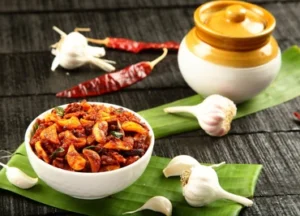
Walk into almost any Pakistani kitchen and you’ll find a jar of garlic pickle sitting next to the daal. It is sharp, tangy and spicy, and many families swear it keeps the heart strong. But is that true, or is it just kitchen folklore?
The topic of garlic pickle heart health is more nuanced than most blogs admit. Garlic has real, well-studied benefits for the cardiovascular system. Pickle, however, adds salt, oil and acid, and these change the story. In this guide, we look at what research actually shows, what is still unclear, and how you can enjoy garlic pickle without hurting your heart.
Quick note: This article is for general education only. It is not medical advice. If you have heart disease, high blood pressure or take regular medication, please speak to your doctor first.
Why Garlic Has Such a Strong Reputation for Heart Health
Garlic has been used as food and medicine for thousands of years. In modern times, scientists have studied it extensively, especially for cardiovascular health.
The main reason is its sulfur compounds. When you crush or chop raw garlic, a compound called alliin meets an enzyme called alliinase. Together they form allicin, the molecule responsible for garlic’s strong smell and much of its biological activity.
Garlic also contains:
- Antioxidants that help fight oxidative stress
- Anti-inflammatory properties that may support healthy blood vessels
- Sulfur compounds like S-allyl cysteine, found especially in aged garlic
These compounds are the reason researchers keep investigating garlic for heart disease risk. For a broader look at this traditional food, you can also read our guide on garlic pickle health benefits in Pakistan.
How Does Garlic Help the Heart? (The Science in Simple Words)
Let’s break down the main ways garlic is believed to support the heart, based on clinical studies.
1. Garlic and Blood Pressure Control
This is where the evidence is strongest. Several reviews and meta-analyses of clinical trials have found that garlic supplements, especially aged garlic extract and garlic powder, can lower blood pressure modestly in people with hypertension.
The effect is not dramatic. Think of it as a helpful support, not a replacement for medication. The benefit also seems larger in people who already have high blood pressure than in people with normal readings.
Researchers believe garlic may help blood vessels relax and improve blood circulation, which in turn eases pressure on artery walls.
2. Garlic and Cholesterol
Studies suggest garlic may lower total cholesterol and LDL cholesterol (the “bad” kind) by a small amount, particularly when taken consistently for a couple of months or longer.
Here is what the research generally shows:
- LDL cholesterol: small reductions in some trials
- HDL cholesterol: little to no meaningful change
- Triglycerides: mixed results, with some studies showing mild improvement
So when people ask, “does garlic pickle lower cholesterol?”, the honest answer is this. Garlic itself may help a little. But we don’t have direct clinical trials proving that garlic pickle does the same thing.
3. Garlic and Arterial Plaque
Some studies on aged garlic extract have looked at arterial plaque and atherosclerosis. Early findings suggest that long-term use may slow the buildup of plaque in the arteries in certain groups. The research is promising, but it is still limited, and the studies used standardized supplements, not pickles.
4. Garlic and Blood Clotting
Garlic may have a mild effect on platelets, the cells that help blood clot. This could support healthy circulation. It is also the reason why people on blood thinners need to be careful, which we discuss later.
So, Is Garlic Pickle Good for the Heart?
Now for the real question. Is garlic pickle good for the heart, or do the benefits disappear in the jar?
The honest answer: it depends on how the pickle is made and how much you eat.
Most of the strong clinical evidence comes from raw garlic, aged garlic extract or garlic powder supplements. Very few studies have tested pickled garlic directly. That means we can say garlic pickle likely keeps some benefits, but we cannot promise it matches the results seen in clinical trials.
Let’s look at what happens during pickling.
Does Pickling Reduce Allicin in Garlic?
Yes, it can. This is one of the most misunderstood parts of pickled garlic health benefits.
Allicin is delicate. It is sensitive to:
- Heat: cooking destroys much of it
- Acid: vinegar or lemon juice can switch off the alliinase enzyme that makes allicin
- Time: allicin breaks down into other compounds over days and weeks
When garlic sits in vinegar or a strongly acidic brine, the enzyme activity drops, so less allicin forms. This is the reason why pickled garlic is generally not considered “as effective as raw garlic” for allicin-related benefits.
But Allicin Is Not the Whole Story
Here is the encouraging part. Allicin breaks down into other sulfur compounds over time, and these are also biologically active. In fact, aged garlic (which is stored for months) is known for stable compounds like S-allyl cysteine, and some of the best cardiovascular research is done on this aged form.
Garlic pickle is not identical to aged garlic extract. Still, the fact that garlic changes and develops different compounds with time and fermentation suggests that pickled garlic may keep some useful properties. We just don’t have enough direct research to be certain.
If you want to understand why acidity plays such a big role in preservation, our article on why vinegar is used for pickling explains it clearly.
Garlic Pickle vs Raw Garlic for Cholesterol
Many readers ask us to compare the two. Here is a simple side-by-side view:
| Factor | Raw Garlic | Garlic Pickle |
|---|---|---|
| Allicin content | Highest (when crushed and rested) | Lower, due to acid and storage |
| Research support | Strong | Limited |
| Sodium | Almost none | Can be high |
| Oil content | None | Often high |
| Taste and convenience | Very pungent | Tangy, easy to eat |
| Best for | Maximum active compounds | Flavor, variety, moderate intake |
Bottom line: if your only goal is lowering cholesterol, raw garlic and standardized garlic supplements have far better evidence. Garlic pickle can still be a tasty way to include garlic in your diet, as long as you watch the salt and oil.
The Sodium Problem: What Most Articles Skip
Here is where an honest discussion of garlic pickle and blood pressure gets important.
Pickles are preserved with salt. Many traditional recipes also use a good amount of oil. For someone trying to protect their heart, both matter.
High sodium content in pickles can:
- Raise blood pressure in salt-sensitive people
- Cause water retention
- Work against any benefit you get from garlic
The World Health Organization recommends keeping salt intake under about 5 grams per day (roughly one teaspoon). A heaping spoon of pickle won’t necessarily break that limit. But if you already eat salty meals, pickles add up fast.
Is Garlic Pickle Safe for People With High Blood Pressure?
For most people with mild or controlled hypertension, a small serving now and then is generally fine. But if you have been told to follow a low-sodium diet, you should:
- Keep portions very small (about one teaspoon)
- Avoid eating it daily
- Balance it with low-salt meals that day
- Choose pickles that are not overly salty
- Ask your doctor for personalized advice
Is Garlic Pickle Safe for Heart Patients?
This depends on the condition. People with heart failure, uncontrolled hypertension or kidney problems are often advised to limit salt strictly. In those cases, pickles may need to be avoided or kept to tiny amounts. Always follow your cardiologist’s guidance.
For a balanced overview of the pros and cons of pickles in general, see our post: Is Achar Good or Bad for Health?
How Much Garlic Is Good for Heart Health Per Day?
Most clinical studies use standardized amounts, such as:
- About 1 to 2 raw cloves per day (roughly 2 to 5 grams of fresh garlic) in general dietary guidance
- Aged garlic extract or garlic powder in measured daily doses (often several hundred milligrams to a couple of grams, depending on the product)
You cannot easily measure these doses using pickle. A spoonful of garlic pickle contains a small, uneven amount of garlic and a lot of salt and oil. So treat garlic pickle as a flavorful side dish, not as a heart treatment.
Best Time to Eat Garlic for Heart Health
There is no strictly proven “perfect” time. However, some practical tips can help:
- With meals: this is gentler on the stomach and helps avoid acid or heartburn
- Crush raw garlic and wait 10 minutes before eating or cooking, so allicin can form
- Consistency matters more than timing: regular, moderate intake works better than occasional large amounts
If you eat garlic pickle, enjoy it with a meal, not on an empty stomach. Spicy and acidic pickle on an empty stomach can irritate some people.
Benefits of Garlic Pickle (When Eaten Wisely)
Even with the limits above, garlic pickle has real advantages when it is part of a balanced diet.
Potential positives:
- Provides garlic’s sulfur compounds and antioxidants in a tasty form
- May support digestion, as fermented and pickled foods are traditionally used for gut comfort
- Adds flavor, which can help people eat more vegetables and whole foods
- Easy to include in meals, especially for people who dislike raw garlic’s strong bite
- May contribute to overall heart-friendly eating when replacing heavier, fatty sauces
For a wider look at why traditional pickles remain popular, check out the top 6 health benefits of pickles.
Garlic Pickle Side Effects You Should Know
No food is perfect. Here are the possible downsides of garlic pickle:
- High sodium: can raise blood pressure in sensitive individuals
- High oil: adds calories and may not suit those watching triglycerides or weight
- Acid reflux or heartburn: common with spicy, acidic foods
- Bad breath and body odor: garlic’s sulfur compounds are strong
- Digestive upset: too much garlic can cause gas or stomach discomfort
- Blood-thinning interaction: garlic may add to the effect of medicines like warfarin or aspirin
- Surgery caution: doctors often advise stopping high-dose garlic before surgery
If you take blood thinners or blood pressure medication, speak with your doctor before making garlic a daily habit.
A Safety Warning About Homemade Garlic Pickle
Many readers love making their own. If you’re interested, our recipe on how to make a spicy garlic pickle is a good starting point.
However, homemade garlic pickle has one special food-safety concern. Garlic stored in oil, without enough acid or proper preservation, can create conditions where harmful bacteria, including Clostridium botulinum, may grow. This is rare but serious.
To reduce risk:
- Use enough vinegar or acid in the recipe
- Use clean, dry jars and utensils
- Keep the garlic fully submerged in the brine or properly prepared oil mix
- Store in a cool place and refrigerate if the recipe advises it
- Discard any jar that smells off, bubbles unexpectedly or looks unusual
Proper storage also keeps flavor and freshness intact. Here is our full guide on how to store achar for maximum freshness and shelf life.
Practical Tips to Enjoy Garlic Pickle the Heart-Smart Way
You don’t have to give up pickle. You just need to be smart about it.
- Keep portions small. One teaspoon is plenty for flavor.
- Pair it with low-salt foods. Plain rice, daal without extra salt, or grilled vegetables work well.
- Skip extra salt in the meal. Let the pickle provide the seasoning.
- Choose quality pickles. Look for clear ingredient lists, good oil and clean preparation.
- Add fresh garlic too. Use raw crushed garlic in salads or chutneys for the full allicin benefit.
- Eat a rainbow diet. Garlic works best alongside vegetables, fruits, whole grains and healthy fats.
- Stay active. No pickle can replace exercise, sleep and stress control.
If you enjoy trying other traditional options, you might also like our posts on ginger pickle health benefits and the top benefits of amla pickle.
What to Look for When Buying Garlic Pickle
If you prefer ready-made pickle, quality matters, especially for health-conscious buyers. Look for:
- Whole, firm garlic cloves with good color
- Clean, natural ingredients and no unnecessary additives
- Balanced salt and spice level
- Hygienic packaging and clear labeling
- A trusted seller with good reviews
You can read our best garlic pickle buyer’s guide for Pakistan to learn more. When you are ready to try it, explore our garlic pickle or browse the full garlic pickle category.
Evidence-Based Summary: What We Know and Don’t Know
What the evidence supports:
- Garlic (raw, aged extract, powder) may modestly lower blood pressure in people with hypertension
- Garlic may slightly reduce total and LDL cholesterol
- Aged garlic shows early promise for slowing arterial plaque
- Garlic has antioxidant and anti-inflammatory properties
What is still uncertain:
- Whether garlic pickle gives the same results as supplements
- How much allicin survives in vinegar-based pickle
- Whether the sodium in pickles cancels out some benefits
- Long-term effects of daily pickle consumption on heart outcomes
In short, garlic is a heart-friendly ingredient. Garlic pickle can be part of a heart-conscious lifestyle, but it is not a medicine and should be eaten in moderation.
Frequently Asked Questions (FAQs)
What does science say about garlic pickle and heart health?
Research strongly supports garlic itself for modest improvements in blood pressure and cholesterol. However, there are very few direct studies on garlic pickle, so benefits are likely smaller and depend on salt, oil and preparation.
Can garlic pickle improve heart health?
It can contribute as part of a balanced diet, but it should not be seen as a treatment. Its sulfur compounds and antioxidants may help, while its sodium content needs to be controlled.
Does garlic pickle lower cholesterol?
There is no direct clinical proof that garlic pickle lowers cholesterol. Raw garlic and aged garlic extract show small cholesterol-lowering effects in studies, but pickle has not been tested in the same way.
Is pickled garlic as effective as raw garlic?
Generally, no. Acid and storage reduce allicin, so raw crushed garlic and aged garlic extract have stronger research backing for heart benefits.
Is garlic pickle safe for people with high blood pressure?
In small amounts, it may be fine for many people, but the salt content can raise blood pressure. If you are on a low-sodium diet, check with your doctor.
How much garlic pickle can I eat per day?
Most people should stick to about one teaspoon, and not necessarily every day. Heart or blood pressure patients should follow their doctor’s advice.
Final Thoughts
So, what is the truth about garlic pickle heart health? Garlic is a genuinely valuable food for the heart, backed by decades of research on blood pressure, cholesterol and circulation. Garlic pickle carries some of that goodness, but also salt and oil that deserve respect.
The smartest approach is balance. Enjoy your pickle in small portions, add raw or cooked garlic to your meals, keep an eye on sodium, and build your heart health on the real foundations: a varied diet, regular movement and regular check-ups.
Ready to Try Authentic Garlic Pickle?
If you love the bold taste of traditional achar, explore our hand-prepared garlic pickle at Achar Mart, or browse the full range in our online shop. Eat well, enjoy in moderation, and take care of your heart.
Disclaimer: This article is for informational purposes only and does not replace professional medical advice.