Walk into almost any Pakistani household during lunch or dinner, and you’ll spot a small bowl of glistening, deep-green achar sitting proudly beside the roti and rice. More often than not, that achar is olive pickle. The Olive Pickle Health Benefits go far beyond just adding a tangy kick to your meal — this humble condiment is packed with antioxidants, healthy fats, and gut-friendly compounds that Pakistanis have relied on for generations, often without even realizing the science behind their love for it. In this article, we’re unpacking exactly why zaitoon ka achar deserves a permanent spot on your dining table, what nutrition it actually delivers, and how you can enjoy it the smart way.
🌿 What Makes Olive Pickle a Pakistani Kitchen Staple
Olives themselves aren’t native to South Asia, yet olive pickle has become one of the most requested items in Pakistani grocery lists over the last decade. Part of this comes down to accessibility — brands now produce authentic, homemade-style Pakistani olive pickle recipe versions using traditional spice blends, mustard oil, and slow-fermentation techniques that suit local taste buds far better than imported jarred olives ever could.
But taste is only half the story. Pakistani cuisine is naturally rich in starches and carbs — think parathas, biryani, and daal chawal — and achar has always played the role of a digestive companion. Olive pickle for health fits that role perfectly because it combines the probiotic benefits of fermentation with the nutrient density of olives themselves. It’s tangy enough to cut through greasy food, salty enough to enhance bland dishes, and nutritious enough to actually justify the daily habit.
There’s also a cultural layer here. Achar-making is often a family tradition passed down from grandmothers, tied to specific seasons and stored in ceramic jars for months. Olive pickle has simply slotted into that same emotional and culinary space that mango, lemon, and garlic pickle have occupied for decades.
🫒 Olive Pickle Nutrition Facts You Should Know
Before we get into the specific health benefits of zaitoon achar, it helps to understand what’s actually inside a spoonful of this pickle. Olives on their own are considered a nutrient-dense food, and pickling — when done traditionally with oil, salt, and spices rather than excessive preservatives — retains most of that nutritional value.
| Nutrient (per 100g approx.) | Amount | Health Relevance |
|---|---|---|
| Healthy Monounsaturated Fats | 10–12g | Supports heart health, similar to olive oil health benefits |
| Vitamin E | 1.5–3.8mg | Antioxidant, supports skin and immune function |
| Iron | 0.5–1mg | Aids in blood health and energy levels |
| Sodium | 700–900mg | Comes from pickling salt; moderate intake advised |
| Dietary Fiber | 2–3g | Supports digestion and gut motility |
This table makes it clear why olive pickle nutrition facts are worth paying attention to — it’s not just an empty, salty side dish. It genuinely contributes vitamin E, healthy fats, and trace minerals that many Pakistani diets, heavy in refined carbs, tend to lack.
❤️ Top Health Benefits of Olive Pickle (Zaitoon Ka Achar)
Now let’s get to the part everyone’s actually curious about — what does eating olive pickle regularly really do for your body? The benefits of olive pickle stretch across digestion, heart health, immunity, and even skin quality, and each one deserves a closer look.
🌱 Supports Digestive Health Naturally
One of the most immediate answers to “does olive pickle help digestion” is yes, and fairly significantly. Traditional fermentation produces natural probiotics, similar to what you’d find in yogurt or kimchi. These probiotic foods benefits include better gut flora balance, reduced bloating, and improved nutrient absorption. This is exactly why so many Pakistani households instinctively reach for achar after a heavy, oily meal — the body seems to know what it needs even before science explains it.
💚 Promotes Heart Health Through Healthy Fats
Because olives are naturally rich in monounsaturated fats — the same category praised in olive oil health benefits research — olive pickle contributes to better cholesterol balance when eaten in reasonable amounts. These healthy fats source properties make it a smarter choice compared to deep-fried or overly processed condiments that often accompany South Asian meals.
🛡️ Loaded With Antioxidants and Anti-Inflammatory Compounds
Antioxidants in olives, particularly polyphenols and vitamin E, help the body fight oxidative stress. Combined with the spices typically used in Pakistani pickling — turmeric, fenugreek, mustard seeds — olive pickle becomes a genuinely anti-inflammatory food. This matters more than people realize, since chronic low-grade inflammation is linked to everything from joint pain to fatigue.
✨ Good for Skin, Hair, and Immunity
Vitamin E rich foods are well known for supporting skin elasticity and hair strength, and olive pickle delivers a modest but consistent dose with every serving. Alongside iron and calcium in olives, this makes zaitoon achar a small but meaningful contributor to immune system boosting foods in a typical Pakistani diet.
⚖️ A Smart Addition for Weight Management
Here’s something that surprises people — despite being a pickle, olive pickle can actually support weight management foods goals when consumed in controlled portions. It’s low in carbohydrates, moderately low in calories per serving, and its intense flavor means people naturally eat smaller quantities compared to heavier condiments. Think of it as a low-calorie snack options substitute for chutneys loaded with sugar.
- Aids digestion through natural fermentation
- Supports heart health via monounsaturated fats
- Provides antioxidants that fight inflammation
- Contributes vitamin E, iron, and calcium
- Fits well into portion-controlled, weight-conscious diets
🍽️ Why Pakistanis Pair Achar With Every Meal
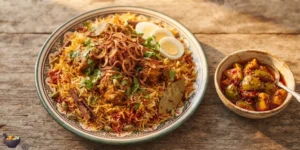
If you’ve ever wondered why do Pakistanis eat achar with every meal, the answer lies in both biology and habit. Traditional Pakistani food is often rich, spiced, and carbohydrate-heavy — think achar with roti and rice, biryani, or paratha. Achar acts as a flavor balancer, cutting through richness with acidity and salt, while simultaneously aiding digestion through its probiotic and enzymatic content.
There’s also a psychological comfort factor. Meals without achar often feel “incomplete” to most Pakistanis, a sentiment rooted in decades of home-cooked tradition. Whether it’s a simple daal chawal or an elaborate wedding spread, that small bowl of pickle — whether mango, garlic, or olive — is almost non-negotiable. If you’re someone who enjoys variety, pairing your olive pickle with a tangy garlic pickle on alternating days is a great way to diversify both flavor and nutrition without straying from tradition.
⚖️ Olive Pickle vs Olive Oil: Which One Wins for Health
A common question that comes up is olive pickle vs olive oil which is healthier — and honestly, it depends on what you’re trying to achieve. Both come from the same fruit, but the pickling and pressing processes create different nutritional profiles.
| Factor | Olive Pickle | Olive Oil |
|---|---|---|
| Fat Content | Moderate | High (pure fat source) |
| Sodium Level | High (due to pickling salt) | Negligible |
| Probiotic Content | High (fermented) | None |
| Best Used For | Flavor enhancer, side dish | Cooking, dressing, daily fat intake |
| Portion Recommendation | 1–2 tablespoons/day | 1–2 tablespoons/day |
In short, olive oil is your go-to for daily healthy fat intake, while olive pickle shines as a digestive and flavor-boosting side dish. Ideally, a well-rounded Pakistani diet includes both — used for their respective strengths rather than as substitutes for one another.
🏠 How to Make Olive Pickle at Home (The Right Way)
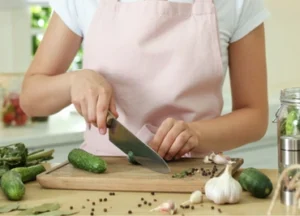
If you’re wondering how to make olive pickle at home easily, the process is simpler than most people expect, though getting the fermentation and spice balance right does take a bit of practice. The general method involves washing and lightly cracking the olives, soaking them in a brine of salt water for several days to reduce bitterness, then layering them with mustard oil, red chili, fenugreek, and other traditional spices before letting the jar sit in sunlight for a few weeks.
That said, homemade achar recipe attempts often fail due to improper sterilization or incorrect oil-to-spice ratios, leading to spoilage. If you’d rather skip the trial-and-error phase, Achar Mart’s authentic Olive Pickle is made using traditional Pakistani methods, giving you the same homemade taste without the guesswork. For those who enjoy a deeper dive into pickling science, our complete buyer’s guide to olive pickle in Pakistan covers everything from sourcing to storage.
⚠️ Olive Pickle Side Effects and How Much Is Safe
As beneficial as it is, moderation matters. Because of the salt content in olive pickle and health risk concerns, especially for people managing blood pressure, portion control is important. Most nutritionists suggest that how much olive pickle is safe to eat daily typically falls around one to two tablespoons — enough to gain the digestive and antioxidant benefits without overloading on sodium.
People with hypertension, kidney concerns, or those on sodium-restricted diets should consult a doctor before making it a daily habit. Pregnant women and individuals with acid reflux issues may also want to moderate intake, since the acidity and spice level can occasionally trigger discomfort. As with most traditional foods, olive pickle side effects and precautions are largely about quantity, not the food itself.
🛒 Where to Buy Authentic Olive Pickle in Pakistan
If this has convinced you to make olive pickle a regular part of your meals, the next step is sourcing a version that’s actually made the traditional way — without artificial preservatives or excessive processing. Achar Mart’s Olive Pickle collection is prepared using authentic Pakistani spice blends and slow-fermentation techniques that preserve both flavor and nutrition.
For those who love variety, exploring the full range of pickles online in Pakistan — including garlic, mango, and mixed pickle — lets you rotate flavors while still enjoying the same digestive benefits. You can also read more about why pickling itself is beneficial in our detailed piece on the top health benefits of pickles.
🎯 Final Thoughts: A Small Bowl With Big Benefits
Olive pickle has earned its place on the Pakistani dining table for reasons that go well beyond nostalgia or taste. It’s a rare condiment that genuinely supports digestion, contributes heart-healthy fats, delivers antioxidants, and fits into a weight-conscious lifestyle — all while carrying the deep cultural weight of tradition passed down through generations. Whether you’re making it at home or picking up a jar that’s already perfected the recipe, the Olive Pickle Health Benefits make it far more than just a side dish.
If you’re ready to experience the real, authentic taste of zaitoon ka achar without any of the guesswork, explore Achar Mart’s Olive Pickle today and bring a jar of tradition, flavor, and genuine nutrition to your next meal.
❓ Frequently Asked Questions
What are the health benefits of eating olive pickle? Olive pickle supports digestion through natural probiotics, provides heart-healthy monounsaturated fats, delivers antioxidants like vitamin E, and contributes iron and calcium in small but meaningful amounts.
Why do Pakistanis eat achar with every meal? Achar balances the richness of traditional Pakistani food, aids digestion after heavy meals, and is deeply rooted in cultural and family tradition passed down through generations.
Is olive pickle good for weight loss? In moderate portions, yes. It’s low in calories, encourages smaller condiment servings due to its strong flavor, and contains healthy fats that support satiety.
How much olive pickle is safe to eat daily? Around one to two tablespoons per day is generally considered safe for most healthy adults, though those with high blood pressure should moderate intake further.
Does olive pickle help digestion? Yes, the fermentation process produces natural probiotics that support gut flora balance and can ease digestion, especially after oily or carb-heavy meals.
Olive pickle vs olive oil — which is healthier? They serve different purposes. Olive oil is better for daily healthy fat intake in cooking, while olive pickle offers probiotic and digestive benefits as a flavor-enhancing side dish.