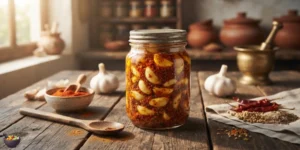
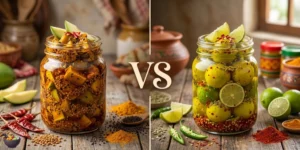
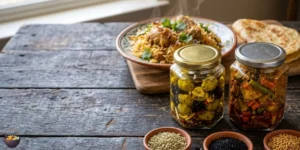
Open almost any Punjabi kitchen pantry and you’ll find a jar that’s been there longer than most of the furniture. That’s the magic of Punjabi achar recipes — they aren’t just condiments, they’re edible family history. Passed from grandmothers to mothers to daughters, these recipes carry the smell of sun-warmed mustard oil, the crackle of mustard seeds, and the patience of a culture that believes good things take time. In this article, we’re unpacking why Punjabi achar culture has survived centuries of change, how it’s made, and why it still matters on your dining table today.
The Deep Roots: Why Punjabi Achar Culture Has Lasted Generations
Pickling in Punjab was never just about flavor — it was survival. Long before refrigerators existed, families needed a way to preserve the harvest through harsh winters and scorching summers. Achar solved that problem beautifully, and along the way, it became something much bigger than food storage.
Why Is Punjabi Achar Passed Down Generations?
- Oral recipe tradition — measurements were rarely written down; they were taught by watching and tasting.
- Seasonal bonding rituals — mango season meant the whole family gathered to chop, salt, and sun-dry together.
- Identity and pride — every household claimed their achar was “the best,” turning recipes into inherited bragging rights.
- Economic necessity — preserving vegetables meant less waste and more value from each harvest.
This blend of practicality and emotion is exactly why Punjabi achar culture never faded, even as supermarkets filled with ready-made alternatives. If you’re curious about how this tradition shaped the wider region, our deep dive into the history of achar in Pakistani cuisine traces its journey from royal kitchens to roadside dhabas.
Grandmother’s Achar Recipe: The Soul of Punjabi Kitchen Heritage
Ask any Punjabi about their favorite achar, and they’ll almost always mention their dadi or nani. The grandmother’s achar recipe isn’t written in a cookbook — it lives in muscle memory, in the specific way she shook the jar every morning, or the exact spot on the rooftop where the mustard oil got “just the right amount of sun.”
What Made These Recipes Special
- No shortcuts — vegetables were sun-dried for days, not hours.
- Hand-pounded spices — fresher and more aromatic than store-bought powders.
- Clay pot storage — achar stored in earthen jars developed deeper, more complex flavors over weeks.
- Patience over speed — some pickles weren’t touched for 15–20 days before the first taste test.
This is the essence of homemade achar recipes Punjabi style — a slow, deliberate process that modern convenience culture has largely forgotten, but that food lovers are now actively trying to bring back.
The Desi Achar Making Process: Step-by-Step
If you want to recreate authentic Punjabi flavors at home, understanding the traditional process matters more than following an exact recipe card. Here’s a breakdown of the classic method.
Step 1: Selecting and Preparing the Produce
Raw mangoes, carrots, green chilies, lemons, or turnips are washed, dried completely, and cut into precise shapes — size affects both texture and shelf life.
Step 2: Sun-Drying the Ingredients
This is where sun-dried pickle ingredients come in. Vegetables are spread on cloth under direct sunlight for one to three days to remove excess moisture, which prevents spoilage and intensifies flavor.
Step 3: Spice Blending
Authentic Punjabi achar relies on a specific spice profile:
- Ajwain (carom seeds) – adds a sharp, slightly bitter warmth
- Fenugreek seeds – brings earthy depth and aids digestion
- Nigella seeds (kalonji) – contributes a peppery, oniony note
- Mustard seeds and turmeric – form the color and base flavor
Step 4: The Mustard Oil Pickle Recipe Method
Mustard oil isn’t just a cooking medium here — it’s a preservative. Heated until it reaches a specific smoke point, then cooled slightly before pouring over the spiced vegetables, it locks in flavor while protecting against bacteria.
Step 5: Fermentation and Storage
The jars are sealed and left in sunlight daily for several weeks. This fermented pickle tradition allows the oil, spices, and vegetables to merge into one unified flavor. For modern households wanting to protect that hard work, our guide on how to store achar for maximum freshness and shelf life is worth bookmarking.
Popular Traditional Punjabi Pickle Recipes You Should Know
Not all achar is created equal — different vegetables demand different techniques. Here are the most iconic varieties within Punjabi achar culture.
Punjabi Mango Pickle Recipe
The undisputed king of Punjabi pickles. Raw, firm mangoes are mixed with mustard oil, fennel, fenugreek, and red chili, then left to mature for weeks until the flavor turns rich and tangy. If you want the full breakdown, check out how to make crunchy mango pickle for a texture-focused approach, or explore our best mango pickle in Pakistan buyer’s guide if you’d rather skip the prep and go straight to tasting.
Garlic Achar
Bold, pungent, and loved by those who like their pickle with a punch. Whole garlic cloves are slow-pickled in mustard oil and red chili paste. Our detailed spicy garlic pickle recipe walks through the exact process, and you can also browse our garlic pickle buyer’s guide for ready-made options.
Mixed Vegetable Achar
A celebration of the harvest — carrots, cauliflower, turnips, and green chilies combined in one jar. This is where village style pickle recipes truly shine, since no two households made it exactly the same way. Our traditional Pakistani mixed pickle guide breaks down the regional variations.
Lemon and Chili Achar
Lighter, tangier, and often the first achar children were allowed to eat, thanks to its milder heat compared to mango or garlic versions.
Seasonal Pickle Making: Nature’s Calendar in the Kitchen
Punjabi families never pickled randomly — timing was everything.
| Season | Primary Ingredient | Why This Timing Matters |
|---|---|---|
| Early Summer | Raw Mango | Mangoes are firmest and most sour before ripening |
| Monsoon | Green Chili | Peak harvest season, maximum freshness |
| Winter | Carrot, Turnip | Root vegetables are sweetest post-harvest |
| Year-round | Lemon | Available consistently, pickled in small batches |
This seasonal rhythm wasn’t just practical — it connected families to the agricultural calendar, making achar a quiet celebration of whatever the land was offering at that moment.
Rural Punjab Food Traditions: The Village Connection
In rural Punjab, achar-making was a communal, almost ceremonial event. Neighbors would share spice blends, compare sun-drying techniques, and sometimes even trade jars as gifts.
Why Clay Pots Still Matter
Storing achar in clay pots (matka) wasn’t just tradition for tradition’s sake:
- Clay is porous, allowing slow oxygen exchange that supports fermentation
- It naturally regulates temperature better than glass or plastic
- It doesn’t react with acidic ingredients like vinegar or citrus
These rural Punjab food traditions are experiencing a quiet revival, as more people seek authenticity over mass production.
Old Fashioned Punjabi Pickles vs. Modern Achar: What’s Changed?
Modern life hasn’t been entirely kind to traditional methods, but it has introduced useful improvements too.
What’s Been Lost
- Reduced sun-drying time due to urban living constraints
- Fewer households making achar from scratch
- Mass-produced preservatives replacing natural fermentation
What’s Improved
- Better quality control and hygiene standards
- Longer shelf life without compromising too much on taste
- Wider accessibility — authentic achar is no longer limited to those who know how to make it
If you’re someone who wants the old-world flavor without the weeks of preparation, our authentic Pakistani pickles guide shows how traditional recipes are being preserved at scale without losing their soul.
Health Benefits of Homemade Punjabi Achar
Beyond flavor, traditional achar-making had genuine nutritional logic behind it.
- Natural fermentation supports gut-friendly bacteria
- Mustard oil contains beneficial fatty acids
- Spices like fenugreek and ajwain aid digestion naturally
- No artificial preservatives when made the traditional way
That said, moderation matters, especially given the salt and oil content. We cover this balance in detail in our article on whether achar is good or bad for health — a must-read before making achar a daily habit.
Keeping the Tradition Alive Today
The biggest threat to Punjabi achar culture isn’t taste fatigue — it’s time scarcity. Fewer people have the hours required for sun-drying and slow fermentation. But the tradition is adapting rather than disappearing.
How Families Are Preserving the Heritage
- Recording recipes digitally instead of relying on memory alone
- Teaching children early through hands-on involvement
- Supporting small-batch producers who still follow traditional methods
- Pairing achar with everyday meals to keep it culturally relevant, not just nostalgic
If you’re looking for pairing inspiration, our list of the 10 best Pakistani dishes to pair with achar is a great place to start reconnecting with this heritage at your own dinner table.
Frequently Asked Questions
What makes Punjabi achar different from other regional pickles?
Punjabi achar relies heavily on mustard oil, bold whole spices like fenugreek and nigella, and extended sun-drying — resulting in a deeper, more pungent flavor compared to lighter regional styles.
How long does traditional Punjabi achar take to prepare?
Most traditional recipes require 2 to 4 weeks for full fermentation and flavor development, though sun-drying alone can take several days depending on the ingredient.
Is homemade achar healthier than store-bought versions?
Generally yes, since homemade versions avoid artificial preservatives and allow natural fermentation, though portion control still matters due to oil and salt content.
Can Punjabi achar recipes be made without mustard oil?
Technically yes, but mustard oil is central to the authentic flavor and preservation process — substituting it changes both taste and shelf life significantly.
Why do families still prefer homemade achar over store-bought options?
Beyond taste, homemade achar represents a connection to family history and cultural identity that mass-produced versions simply can’t replicate.
Final Thoughts: A Jar Full of Memory
Punjabi achar recipes are proof that some traditions don’t need reinventing — they just need remembering. Every jar represents a small act of patience in a world that’s increasingly obsessed with speed, and every bite connects us to kitchens, hands, and stories that came long before us. Whether you’re sun-drying mangoes on your rooftop this summer or simply craving the real thing without the wait, the heritage behind that flavor deserves to be honored.
Ready to taste generations of tradition without the three-week wait? Explore our full range of authentic pickles at Achar Mart, crafted using the same time-honored methods your grandmother would approve of.