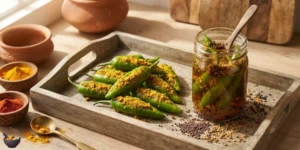
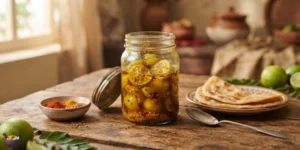
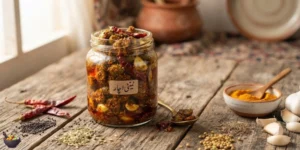
If you’ve ever wondered how mango pickle is made the traditional way, the answer lies in a beautiful mix of patience, sunshine, and generations-old spice wisdom. This traditional Pakistani mango pickle recipe isn’t just a cooking method — it’s a ritual passed down through kitchens, courtyards, and summer afternoons when raw mangoes are at their tangiest best. In this guide, we’ll walk you through the entire mango pickle making process, from selecting the right mangoes to sealing that final jar of golden, spicy goodness.
Whether you’re a home cook trying your first batch or simply curious about what goes into that jar of aam ka achar sitting on your dining table, this article breaks it all down — step by step, spice by spice.
🥭 What Is Mango Pickle (Aam Ka Achar)?
Mango pickle, known locally as aam ka achar, is a South Asian condiment made from raw, unripe mangoes combined with a robust blend of spices and preserved in oil — usually mustard oil. It’s tangy, spicy, and slightly sour, designed to be eaten in small quantities alongside meals to enhance flavor.
Unlike sweet pickles or relishes found in Western cuisines, this is a spicy mango pickle with deep, bold flavors that intensify over weeks of sun-curing. It’s a staple across Pakistani households, and no two family recipes taste exactly alike.
📜 A Glimpse into the History of Mango Pickle in Pakistan
Pickling in South Asia dates back centuries, long before refrigeration existed. Communities needed a way to preserve seasonal produce for year-round use — and mangoes, being abundant in summer, became a natural candidate.
Over time, this preservation technique evolved into a culinary art form. Each region added its own twist using local spices and oils, creating the diverse Pakistani achar varieties we see today. If you’re curious about how this tradition took shape across generations, our detailed piece on the history of achar in Pakistani cuisine dives deeper into its cultural roots.
🌱 Choosing the Right Mangoes for Pickle
Not every mango is pickle-worthy. Getting this step right sets the foundation for everything that follows.
Raw Mango vs Ripe Mango Pickle
Traditional recipes almost always call for raw, unripe mangoes rather than sweet, ripe ones. Here’s why:
- Raw mangoes have a firm, fibrous texture that holds up during sun-drying and fermentation.
- Their natural tartness balances the heat of spices perfectly.
- Ripe mangoes turn mushy and release excess sugar, which can spoil the pickle faster.
Best Mango Variety for Pickle
In Pakistan, varieties like Desi, Chaunsa (raw stage), and Sindhri (unripe) are commonly used because of their firm flesh and sharp sourness. The mango should be hard, green, and slightly under-ripe — never soft to the touch.
🧂 Essential Ingredients for Traditional Mango Pickle
A good mango achar recipe relies on a handful of pantry staples, but the ratio and quality of each ingredient make all the difference.
Core Spice Blend (Masala)
The traditional achar masala typically includes:
- Red chili powder (for heat and color)
- Turmeric powder (for color and preservation)
- Fenugreek seeds (methi) — crushed, for that signature bitterness
- Fennel seeds (saunf)
- Nigella seeds (kalonji)
- Mustard seeds, crushed
- Salt (a natural preservative)
- Asafoetida (heeng), used sparingly for depth
This pickling spices mix is what gives mango pickle its unmistakable aroma and complexity.
Role of Mustard Oil in Preservation
Mustard oil isn’t just for flavor — it’s a functional preservative. Its natural antibacterial properties help extend shelf life, which is why most authentic recipes insist on mustard oil pickle preparation rather than substituting with milder oils.
👨🍳 Step-by-Step Mango Pickle Making Process
Now let’s get into the heart of it — how mango pickle is made, step by step, the way it’s done in Pakistani homes.
Step 1: Preparing the Mangoes
Wash the raw mangoes thoroughly and pat them completely dry. Any leftover moisture can cause fungal growth later. Cut them into medium-sized pieces, keeping the skin intact for texture.
Step 2: Salting & Sun-Drying
Toss the mango pieces with salt and turmeric, then spread them out under direct sunlight for a day or two. This sun-drying process for pickle draws out excess moisture and firms up the mango pieces, preventing spoilage.
Step 3: Preparing the Spice Mix
While the mangoes dry, roast the whole spices lightly and grind them coarsely. Coarse texture is key — it releases flavor gradually rather than overwhelming the pickle immediately.
Step 4: Mixing with Mustard Oil
Once the mango pieces are sufficiently dried, coat them generously with the spice mix, then pour in warm (not boiling) mustard oil until the pieces are fully submerged. Oil acts as a barrier against air and bacteria.
Step 5: Sun Curing & Fermentation
Transfer the mixture into a clean glass or ceramic jar and place it under the sun for several hours daily over 1–2 weeks. This achar making process allows the flavors to mature and deepen — patience really does pay off here.
Step 6: Storage in Traditional Jars
Traditionally, pickles were stored in clay jars, which help regulate temperature and moisture naturally. Today, airtight glass jars work just as well, provided they’re kept away from direct heat once curing is complete.
If you’d like a more detailed, texture-focused version of this method, check out our guide on how to make crunchy mango pickle — it covers extra tips for that perfect bite.
🗺️ Regional Variations: Punjabi vs Sindhi Mango Pickle
Pakistan’s diverse regions bring their own spin to this classic:
- Punjabi mango pickle tends to be heavier on mustard seeds and oil, with a robust, earthy flavor.
- Sindhi mango pickle often incorporates more fennel and a slightly sweeter undertone, balancing heat with subtle aromatics.
Both are equally beloved — the “better” version really comes down to personal taste and family tradition.
⏳ How Long Does Mango Pickle Last? Shelf Life & Storage Tips
A properly made mango pickle, stored correctly, can last 12 to 18 months without refrigeration — sometimes even longer.
To maximize shelf life:
- Always use a dry spoon when serving.
- Keep the jar tightly sealed between uses.
- Ensure the mango pieces stay fully submerged in oil.
- Store in a cool, dry place away from direct sunlight after the curing period.
For a complete breakdown of best practices, our guide on how to store achar for maximum freshness and shelf life covers everything you need to know.
🌿 Health Benefits & Nutrition Facts of Mango Pickle
While mango pickle is enjoyed more for flavor than nutrition, it does offer some genuine benefits when consumed in moderation:
- Probiotic value from natural fermentation, which supports gut health.
- Vitamin C from raw mango, boosting immunity.
- Digestive support from fenugreek and fennel seeds.
- Antioxidant properties from mustard oil and turmeric.
That said, it’s high in sodium and oil, so it’s best enjoyed as a condiment rather than a main dish. For a balanced perspective on this topic, read our detailed piece on whether achar is good or bad for health.
🍽️ Serving Ideas: How to Enjoy Mango Pickle
Mango pickle pairs beautifully with a wide range of Pakistani dishes. A few classic combinations include:
- Daal chawal (lentils and rice)
- Paratha with a cup of chai
- Biryani or pulao
- Grilled meats and kebabs
- Simple yogurt-based raita meals
For a full lineup of pairing ideas, don’t miss our roundup of the 10 best Pakistani dishes to pair with achar.
⚖️ Mango Pickle vs Lime Pickle: What’s the Difference?
Both are pantry staples, but they differ significantly in taste and texture. Mango pickle leans tangy-spicy with a firmer bite, while lime pickle tends to be sharper and more citrus-forward. If you’re deciding which one suits your palate — or your dinner table — our comparison on mango pickle vs lime pickle breaks down the key differences clearly.
🛒 Why Buy Traditional Mango Pickle from Achar Mart
Making mango pickle at home is rewarding, but it’s also time-intensive — and getting the spice balance just right takes practice. If you’d rather skip the weeks-long curing process without compromising on authentic taste, Achar Mart’s mango pickle is prepared using the same traditional methods outlined above — real mustard oil, hand-ground spices, and proper sun-curing.
Explore our full mango pickle collection or browse the complete pickle shop for more authentic Pakistani flavors. Prefer guidance before buying? Our buyer’s guide to buying pickles online in Pakistan and our dedicated best mango pickle in Pakistan buyer’s guide can help you choose the right jar for your taste.
🏁 Conclusion
Understanding how mango pickle is made gives you a real appreciation for every spoonful — it’s not just a condiment, it’s weeks of careful preparation, sun, and spice mastery rolled into one jar. Whether you attempt this traditional Pakistani mango pickle recipe at home or pick up a jar made by experienced hands, the result is the same: a burst of bold, nostalgic flavor that instantly elevates any meal.
If patience and precision aren’t on your side this season, let the experts handle it. Order authentic, traditionally-made mango pickle from Achar Mart today and bring home the real taste of Pakistani tradition — no sun-drying required.
❓ Frequently Asked Questions
What is mango pickle made of? Mango pickle is made from raw, unripe mangoes combined with a spice blend (chili, turmeric, fenugreek, fennel, mustard seeds) and preserved in mustard oil.
How long does mango pickle last? When properly prepared and stored, mango pickle can last 12 to 18 months without refrigeration.
What is the best mango variety for pickle? Firm, unripe varieties like Desi or raw Chaunsa work best due to their tartness and sturdy texture.
Is raw mango better than ripe mango for pickle? Yes, raw mango is preferred because it holds texture during curing and provides the necessary tartness that balances the spices.
What oil is used in mango pickle? Mustard oil is the traditional choice, valued for its flavor and natural preservative qualities.
How is mango pickle traditionally stored? It’s traditionally stored in clay jars, though airtight glass jars work equally well in modern kitchens.