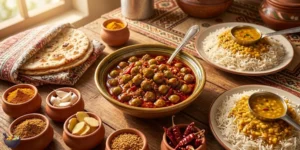
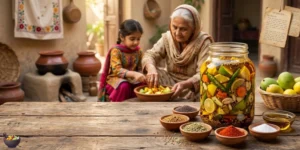
Walk into almost any Pakistani household during lunch or dinner, and you’ll spot a small jar of tangy, spicy achar sitting proudly beside the daal, roti, and rice. More often than not, that jar contains karela pickle — and once you understand the karela pickle health benefits packed inside it, you’ll see why this humble condiment has earned such a permanent seat at the table. It’s not just about the sharp, addictive flavor. Karela pickle carries a legacy of home remedies, digestive support, and blood sugar management that Pakistani families have relied on for generations, long before “superfoods” became a buzzword.
In this guide, we’re unpacking everything there is to know about karela achar — its nutrition profile, its role in diabetes management, weight loss, gut health, and even a few precautions to keep in mind. By the end, you’ll understand exactly why this bitter-but-brilliant pickle deserves a spot in your kitchen too.
🥒 What Makes Karela Pickle a Pakistani Kitchen Staple
Karela, or bitter gourd (scientifically known as Momordica charantia), has a reputation for being an acquired taste. On its own, it’s intensely bitter — which is exactly why turning it into pickle works so well. The fermentation and spice-infusion process mellows the bitterness while locking in the vegetable’s natural compounds.
Here’s why karela achar has stood the test of time in Pakistani homes:
- It transforms a hard-to-love vegetable into a flavorful, shelf-stable condiment
- It pairs effortlessly with daal, rice, parathas, and karahi dishes
- It requires no refrigeration once properly pickled, making it a practical pantry staple
- It carries forward generations of traditional Pakistani achar-making knowledge
If you’re curious about how pickling itself contributes to preserving nutrients and flavor, our earlier piece on the benefits of pickling fruits and vegetables breaks down the science in more detail.
📊 Karela Pickle Nutrition Facts
Before diving into the health benefits, it helps to understand what’s actually inside this jar. Bitter gourd is nutritionally dense, and pickling preserves most of its core compounds while adding beneficial elements from the spices and oil used.
Key Nutrients Found in Karela Pickle
- Vitamin C — supports immune function and skin repair
- Vitamin A — contributes to eye health and cell regeneration
- Vitamin K — plays a role in bone health and blood clotting
- Iron — supports oxygen transport and energy levels
- Potassium — helps regulate blood pressure
- Charantin and Polypeptide-P — plant compounds linked to blood sugar regulation
- Antioxidants — combat oxidative stress and inflammation
The Role of Spices and Oil
Traditional karela pickle recipes use mustard oil, fenugreek seeds, red chili, and turmeric — each bringing its own benefit. Turmeric contributes anti-inflammatory properties, fenugreek supports digestion, and mustard oil acts as a natural preservative while adding heart-healthy fats.
This combination is exactly why karela pickle nutrition facts read more like a wellness supplement than a simple condiment.
💪 Top Karela Pickle Health Benefits You Should Know
Now let’s get into the part everyone’s here for — what karela achar actually does for your body when eaten regularly and in moderation.
1. Karela Pickle for Diabetes: Natural Blood Sugar Control
This is arguably the most well-known benefit, and it’s backed by both tradition and science. Bitter gourd contains compounds like charantin and polypeptide-P, which have insulin-mimicking properties. For individuals managing blood sugar levels, incorporating karela pickle for diabetes as part of a balanced diet is a common practice across South Asian households.
- Helps support healthier glucose metabolism
- Complements diabetes management naturally alongside prescribed treatment
- Often recommended in desi khana as a side to balance carb-heavy meals like rice and roti
Note: Pickle should never replace medical treatment for diabetes — it works best as a supportive dietary addition.
2. Supports Digestive Health and Gut Probiotics
Fermented foods are having a well-deserved moment globally, and karela pickle has quietly been part of that category for decades. The fermentation process encourages the growth of beneficial bacteria, which supports:
- Improved digestion and nutrient absorption
- A healthier gut microbiome
- Reduced bloating when paired with heavy, oily meals
This is one of the reasons karela achar is traditionally served with rich, spice-heavy dishes — it helps the digestive system process everything more efficiently.
3. Acts as a Natural Immune System Booster
Thanks to its high Vitamin C content, karela pickle contributes to a stronger immune response. Antioxidants in karela also help the body fight off oxidative stress, which is linked to chronic inflammation and a weakened immune system over time.
4. Karela Pickle for Weight Loss
If you’re watching your calorie intake, karela pickle is a smart addition to your plate. It’s:
- Naturally low in calories
- High in fiber, which promotes satiety
- A flavorful way to season simple meals without adding excess fat or sugar
Using karela pickle for weight loss as a flavor enhancer instead of high-calorie sauces or extra oil is a simple, sustainable swap many Pakistani households already practice without even labeling it a “diet trick.”
5. Liver Detox and Cholesterol Support
Bitter gourd has long been associated with liver detox foods in traditional medicine. It’s believed to support liver function and may help in maintaining healthier cholesterol levels when consumed as part of a balanced diet rich in fiber and antioxidants.
6. Anti-Inflammatory and Skin Health Benefits
The antioxidant compounds in karela, combined with Vitamin A and C, contribute to skin health benefits — supporting collagen production and helping combat the effects of oxidative stress on skin cells. Many traditional home remedies even use karela juice benefits for topical skin applications, though the pickled version primarily supports skin health from the inside out through diet.
🍽️ Why Pakistanis Eat Karela Pickle With Every Meal
Beyond the science, there’s a cultural and culinary logic behind why this achar shows up on nearly every dining table across Pakistan.
- Balances rich, oily dishes — the tang and bitterness cut through heavier curries and karahi
- Enhances simple meals — a spoonful transforms plain daal-chawal into something flavorful
- Rooted in tradition — recipes are often passed down from grandmothers, tied to family identity
- Practical and affordable — a small jar lasts weeks and requires no cooking effort at mealtime
If you’re a fan of Pakistani cuisine staples beyond karela, our guide on authentic Pakistani achar covers the wider world of traditional pickles worth exploring.
👩🍳 A Glimpse Into the Traditional Karela Pickle Pakistani Recipe
While recipes vary slightly by region and family, most traditional karela achar preparations follow a similar foundation:
- Bitter gourd is sliced and salted to draw out excess moisture and reduce bitterness
- It’s sun-dried or lightly cooked to prepare it for pickling
- A spice blend — typically mustard seeds, fenugreek, turmeric, red chili, and salt — is mixed in
- Mustard oil is added generously to preserve the pickle and enhance flavor
- The mixture is left to mature in a jar for several days, allowing fermentation to develop
The result is a pickle that balances bitterness, heat, and tang — exactly the profile Pakistani palates have loved for generations. If you’d rather skip the process and enjoy it ready-made, our karela pickle is prepared using this same traditional method, just without the wait.
⚠️ Karela Achar Side Effects: What You Should Know
Like most good things, karela pickle is best enjoyed in moderation. Here are a few points worth keeping in mind:
- High sodium content — pickles are naturally salt-heavy, so those managing blood pressure should consume in moderate portions
- Oil content — mustard oil, while beneficial, is still calorie-dense, so portion control matters for weight management goals
- Not a diabetes cure — it supports blood sugar management but should never replace prescribed medication
- Pregnancy caution — some traditional advice suggests limiting bitter gourd intake during pregnancy; consulting a doctor is recommended
None of these points suggest avoiding karela pickle altogether — they simply reinforce that, like any concentrated food, it works best as part of a balanced diet rather than an all-you-can-eat side dish.
🛒 How to Choose the Best Karela Pickle
Not all achar jars are created equal. Here’s what separates a high-quality karela pickle from a mediocre one:
- Authentic spice blend — real fenugreek, mustard seeds, and quality red chili, not artificial flavoring
- Pure mustard oil — a marker of traditional preparation and better preservation
- No artificial preservatives — genuine fermentation should do the preserving
- Balanced bitterness — well-made karela pickle tones down harsh bitterness without eliminating the character entirely
At Achar Mart, our karela pickle collection is made following authentic homemade methods — the same recipe generations of Pakistani families have trusted, now available without the hours of prep work.
And if karela isn’t the only pickle catching your eye, our full range of pickles online in Pakistan covers everything from garlic to mixed achar for every kind of meal pairing.
🌿 The Bigger Picture: Fermented Foods in a Balanced Diet
Karela pickle doesn’t exist in isolation — it’s part of a broader tradition of fermented, condiment-based eating that’s deeply woven into South Asian cuisine. Pairing a small portion of achar with meals isn’t just about taste; it reflects an intuitive, generations-old understanding of gut health and food balance long before “probiotics” became a marketing term.
For those curious about how other traditional pickles stack up nutritionally, our breakdown of amla pickle benefits is a great next read — amla and karela are often considered complementary in traditional wellness practices.
✅ Final Thoughts: A Small Jar With Big Benefits
Karela pickle isn’t just a flavorful add-on to your meal — it’s a genuinely functional food rooted in both tradition and nutrition. From supporting blood sugar management and digestion to acting as a low-calorie flavor booster and immune supporter, the karela pickle health benefits are real, varied, and worth taking seriously.
The next time you spoon a little karela achar onto your plate, know that you’re not just adding taste — you’re continuing a practice that’s supported Pakistani health and food culture for generations.
Ready to bring this traditional superfood-in-a-jar to your table? Explore our authentic, homemade karela pickle and taste the difference real ingredients make — or browse our complete pickle shop to build your own achar collection today.
❓ Frequently Asked Questions
Is karela pickle good for diabetes?
Yes, karela pickle contains compounds like charantin that may support healthier blood sugar levels. It works well as a supportive dietary addition but should not replace prescribed diabetes medication.
Can karela pickle help with weight loss?
Karela pickle is low in calories and high in fiber, making it a smart flavor addition for those managing their weight, as long as it’s consumed in moderate portions due to its oil and sodium content.
What are the main karela pickle nutrition facts?
Karela pickle is rich in Vitamin A, Vitamin C, Vitamin K, iron, potassium, and antioxidants, along with beneficial compounds from spices like turmeric and fenugreek used in preparation.
Are there any side effects of eating karela achar regularly?
The main concerns are high sodium and oil content, which should be moderated by individuals managing blood pressure or calorie intake. It’s not recommended as a substitute for medical treatment.
Why do Pakistanis eat karela pickle with almost every meal?
Karela pickle balances rich, oily dishes with its tangy bitterness, enhances simple meals like daal-chawal, and carries strong cultural and traditional value passed down through generations.