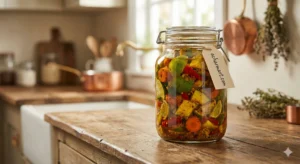
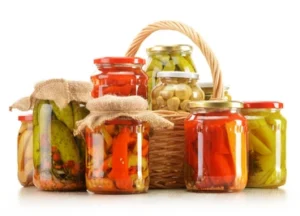
Walk into any Pakistani household during lunch or dinner, and chances are there’s a small bowl of achar sitting proudly beside the roti and rice. Among all the varieties lining our kitchen shelves, mango pickle holds a special place in our hearts — and for good reason. The mango pickle health benefits go far beyond just adding a tangy kick to your plate; this beloved condiment supports digestion, delivers a punch of antioxidants, and carries centuries of culinary tradition in every spoonful.
Whether it’s paired with daal chawal on a rainy afternoon or tucked into a paratha roll for breakfast, aam ka achar has earned its permanent spot on our dastarkhwan. In this guide, we’ll explore exactly why this humble pickle deserves so much love, backed by nutrition facts, cultural context, and practical tips for enjoying it the healthy way.
🍛 What Makes Mango Pickle a Pakistani Dinner Table Essential?
In Pakistani food habits, achar isn’t just a side dish — it’s an emotion. It’s the thing your mother packs in your lunchbox, the jar your grandmother sun-dries on the rooftop every June, and the condiment that turns even the simplest meal into something memorable.
A few reasons mango pickle has stayed irreplaceable across generations:
- It enhances flavor in mild dishes like daal, khichdi, and boiled rice
- It stimulates appetite, especially during Ramadan and hot summer months
- It’s deeply tied to nostalgia and home-cooked memories
- It requires no cooking at mealtime — just open the jar and serve
This cultural bond runs so deep that it’s practically impossible to imagine Pakistani dishes without achar on the side. If you want to understand how deeply rooted this habit is, our piece on the history of achar in Pakistani cuisine traces it back generations.
🧪 Mango Pickle Nutrition Facts You Should Know
Before diving into the benefits, it helps to understand what’s actually inside a spoonful of aam ka achar. Traditional mango pickle typically combines raw green mangoes, mustard oil, and a blend of spices — and each ingredient brings its own nutritional value to the table.
Key Nutrients Found in Aam ka Achar
- Vitamin C — from raw green mangoes, supports immunity and skin health
- Antioxidants — polyphenols from mango and turmeric fight oxidative stress
- Dietary Fiber — aids smooth digestion and gut regularity
- Healthy Fats — mustard oil contains omega-3 fatty acids
- Curcumin — turmeric’s active compound, known for anti-inflammatory action
- Fennel & Nigella Seeds — traditional digestive aids used for centuries
Here’s a quick nutritional snapshot per average serving (roughly one tablespoon):
| Component | Approximate Value | Benefit |
|---|---|---|
| Calories | 20–35 kcal | Low-calorie flavor booster |
| Sodium | 200–300 mg | Electrolyte balance (in moderation) |
| Vitamin C | Small but notable | Immunity + antioxidant support |
| Healthy Fats | 1–2 g | From mustard oil |
| Fiber | Trace amounts | Digestive support |
These mango pickle nutrition facts explain why a small serving alongside your meal can genuinely add value — not just taste.
💪 Top Health Benefits of Mango Pickle
Let’s break down the real, science-backed health benefits of mango pickle one by one.
1. Mango Pickle for Digestion
One of the most talked-about benefits of eating achar is its impact on digestion. The fermentation process used in traditional pickle-making encourages the growth of beneficial bacteria, while spices like fennel, mustard seed, and asafoetida naturally stimulate bile production and digestive enzymes.
This is exactly why many Pakistanis instinctively reach for a spoon of achar after a heavy meal — it genuinely helps the body process food more efficiently. For a deeper look at how pickles support gut function overall, check out our detailed breakdown of the top health benefits of pickles.
2. Packed With Antioxidants for Immunity Boost
Raw mangoes used in pickling are naturally rich in polyphenols and antioxidant compounds. Combined with turmeric’s curcumin and the antioxidant properties of mustard oil, mango pickle becomes a small but consistent source of immune-supporting compounds — especially useful during seasonal changes when flu and infections spike.
3. A Natural Source of Vitamin C
Green mangoes, the base of most traditional achar recipes, are surprisingly high in vitamin C — often more than ripe mangoes. This vitamin plays a crucial role in:
- Strengthening the immune system
- Supporting collagen production for healthy skin
- Improving iron absorption from other foods eaten in the same meal
4. Mustard Oil Benefits in Every Bite
Mustard oil, the traditional base for most Pakistani pickles, contains monounsaturated and polyunsaturated fats, along with omega-3 fatty acids. In moderation, this contributes to:
- Better heart health
- Reduced inflammation
- Improved absorption of fat-soluble vitamins from other foods
5. Fermented Food Benefits and Gut Health
Traditional mango pickle, left to mature over days or weeks, undergoes a natural fermentation process. This isn’t just about flavor development — fermented foods are known to support a healthier gut microbiome, which in turn influences digestion, immunity, and even mood regulation.
If you’ve ever wondered whether achar is genuinely good for your body or just a flavorful indulgence, our detailed guide on whether achar is good or bad for health answers this in full.
6. Turmeric and Spices: Nature’s Anti-Inflammatory Boost
Almost every traditional mango pickle recipe includes turmeric, red chili, fenugreek, and mustard seeds. Together, these spices don’t just create that signature desi flavor — they also contribute anti-inflammatory and antimicrobial properties that have been part of South Asian cuisine’s natural remedy toolkit for centuries.
❤️ Why Do Pakistanis Love Mango Pickle With Every Meal?
This is the question everyone eventually asks — and the answer is part biology, part culture.
- Taste amplification — mango pickle’s tangy, spicy profile balances out mild or starchy foods like rice and roti
- Appetite stimulation — the sourness and spice trigger salivation and hunger signals
- Tradition and nostalgia — achar-making is often a family ritual passed down from mothers to daughters
- Practicality — it’s ready to eat, requires no reheating, and lasts for months when stored properly
- Affordability — a single jar enhances dozens of otherwise simple meals
This blend of flavor, function, and family tradition is what keeps Pakistani mango pickle firmly on the table, meal after meal, generation after generation.
🏺 Traditional Mango Pickle Pakistan: A Legacy Passed Through Generations
Long before store-bought jars existed, mango pickle was a summer ritual. Raw mangoes were sliced, sun-dried, and layered with mustard oil and spice blends passed down through family recipes — often kept secret and slightly different in every household.
This traditional process is still followed by many Pakistani families today, and it’s part of what makes homemade achar so cherished. If you’re curious about the process yourself, our guide on how to make crunchy mango pickle walks through the authentic method step by step.
🏠 Homemade vs Store-Bought Mango Pickle: Which One Wins?
This is a common debate in most Pakistani kitchens. Here’s an honest comparison:
| Factor | Homemade Achar | Quality Store-Bought Achar |
|---|---|---|
| Ingredient Control | Full control | Depends on brand transparency |
| Time & Effort | High (weeks of prep) | Instant availability |
| Consistency | Varies batch to batch | Consistent quality |
| Hygiene Standards | Home-dependent | Depends on certification |
| Shelf Life | Good if stored right | Often longer, tested |
The good news? You don’t have to choose one over the other. Brands that stay true to traditional recipes — using real mustard oil, sun-ripened mangoes, and authentic spice blends — can deliver the same nostalgic taste without the weeks-long prep. Our own mango pickle is made following exactly this philosophy, staying loyal to the traditional Pakistani method while ensuring hygienic, consistent quality in every jar.
⚠️ Mango Pickle Side Effects: What You Should Know
While the benefits are genuinely impressive, moderation is key. Like any pickled food, mango pickle comes with a few considerations:
- High sodium content — excessive consumption may not suit people managing blood pressure
- Oil content — mustard oil, while healthy in small amounts, adds up in larger servings
- Acidity — those with ulcers or acid reflux should consume it in smaller quantities
- Sugar or preservatives — some commercial varieties add unnecessary sugar; always check labels
The takeaway isn’t to avoid achar — it’s to enjoy it the way it was traditionally meant to be eaten: as a flavorful accent, not a main course. For a balanced perspective on this exact topic, our article on is achar good or bad for health breaks it down further.
🥗 How to Enjoy Mango Pickle the Healthy Way
A few simple habits can help you get all the benefits without overdoing it:
- Stick to small servings — a tablespoon per meal is enough to enjoy the flavor and benefits
- Pair it with fiber-rich foods — daal, sabzi, and whole wheat roti balance out the sodium and oil
- Store it properly — use a dry spoon every time and keep the jar tightly sealed to preserve freshness
- Choose quality over quantity — a well-made, authentic pickle offers more nutritional value than a mass-produced one loaded with preservatives
For the full breakdown on keeping your achar fresh for months, take a look at our guide on how to store achar for maximum freshness and shelf life.
🥭 Mango Pickle vs Other Pickles: A Quick Comparison
Curious how mango pickle stacks up against other popular Pakistani achar varieties? Mango pickle tends to be spicier and more oil-based, while options like lime pickle lean tangier and lighter. If you’re deciding between the two for your next order, our comparison guide on mango pickle vs lime pickle in Pakistan covers taste, texture, and health differences in detail.
❓ Frequently Asked Questions
Why do Pakistanis love mango pickle so much? It comes down to taste, tradition, and function. Mango pickle enhances the flavor of everyday meals, stimulates appetite, and carries deep nostalgic value tied to family recipes passed down for generations.
Is mango pickle good for health? Yes, in moderation. It offers vitamin C, antioxidants, and digestive support from natural spices and fermentation. However, it should be eaten in small portions due to its oil and sodium content.
What are the side effects of mango pickle? Overconsumption may lead to high sodium intake, excess oil consumption, and irritation for those with acid reflux or ulcers. Moderation is key to avoiding these issues.
How is mango pickle made at home traditionally? Raw green mangoes are sliced, sun-dried, and mixed with mustard oil, turmeric, red chili, fennel, and mustard seeds, then left to mature for days or weeks in a sealed jar.
Aam ka achar khane ke fayde kya hain? Aam ka achar digestion mein madad karta hai, vitamin C aur antioxidants faraham karta hai, aur immunity boost karne mein bhi madadgar hota hai — lekin sirf halki matra mein khana chahiye.
Does achar help in digestion? Yes. Fermented pickles and digestive spices like fennel and asafoetida can stimulate digestive enzymes and support smoother digestion when consumed in reasonable amounts.
What is the nutritional value of mango pickle per serving? A typical tablespoon contains roughly 20–35 calories, small amounts of vitamin C and fiber, healthy fats from mustard oil, and around 200–300 mg of sodium.
Why is achar so popular in Pakistani food culture? Achar is deeply woven into South Asian cuisine as both a flavor enhancer and a cultural tradition, often homemade and passed down through generations, making it far more than just a condiment.
🎯 Final Thoughts
Mango pickle isn’t just another jar sitting in the pantry — it’s a genuine reflection of Pakistani food culture, blending nutrition, tradition, and flavor into every bite. From supporting digestion to delivering antioxidants and vitamin C, the mango pickle health benefits explain exactly why this humble condiment has earned its permanent place on our dining tables.
The key is balance — enjoy it the traditional way, in moderate amounts, alongside wholesome meals, and you get all the flavor with genuine nutritional value on the side.
Ready to bring authentic, traditionally-made mango pickle to your own table? Explore our premium mango pickle collection or browse our full range of authentic Pakistani pickles at Achar Mart, made with real mustard oil, sun-ripened mangoes, and time-tested spice blends — just like your grandmother used to make.