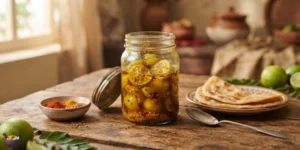
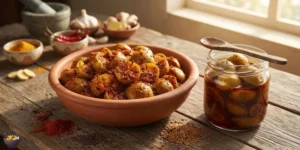
There’s a reason every Pakistani kitchen has a jar of mix pickle tucked away in the pantry — that sharp, spicy, tangy bite just makes everything taste better. If you’ve ever wondered how mix pickle is made the traditional way, you’re about to find out exactly what goes into this beloved condiment, from the vegetables chosen to the exact moment the oil turns that deep, glossy red.
This isn’t a shortcut version either. We’re walking through the real mix pickle recipe that Pakistani households have passed down for generations — the one that takes patience, sunlight, and the right spice ratios to get truly right. Whether you’re planning to make it at home or simply curious about what goes on before it lands in the jar, this guide covers the entire process, step by step.
🥒 What Exactly Is Mix Pickle (Mix Achar)?
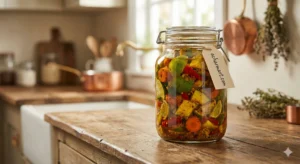
Mix pickle, or “mix achar” as it’s called across Pakistan, is a combination of multiple vegetables — usually carrots, cauliflower, green chilies, turnips, and sometimes raw mango — all pickled together in mustard oil with a bold spice blend.
Unlike single-vegetable pickles such as mango or lime, the appeal of mix pickle lies in its variety. Every bite gives you a different texture and a slightly different flavor note, which is exactly why it pairs so well with almost any Pakistani meal.
If you want to see how this fits into the wider world of Pakistani achar-making, our traditional Pakistani mixed pickle guide breaks down regional variations in more detail.
🏺 The History Behind Pakistan’s Favorite Achar
Pickling didn’t start as a flavor trend — it started as a survival technique. Long before refrigeration existed, families across the subcontinent needed a way to preserve seasonal vegetables through the harsh winter months. Salt, oil, and sun did the job perfectly.
Over decades, this preservation method evolved into an art form. Spice blends became more refined, regional families developed their own signature masala ratios, and mix pickle eventually became a staple condiment rather than just a preservation hack.
You can read the full backstory in our detailed piece on the history of achar in Pakistani cuisine — it’s a fascinating look at how something so simple became so central to our food culture.
🧂 Ingredients Needed for Authentic Mix Pickle
Before jumping into the process, let’s talk about what actually goes into a proper batch. Skipping or substituting any of these can change the final taste dramatically.
Vegetables Used in Mix Achar
- Carrots (cut into thick batons)
- Cauliflower florets
- Green chilies (whole or sliced)
- Turnips
- Raw mango or lime (optional, for tang)
- Ginger and garlic cloves
Each vegetable brings its own texture and moisture level, which is why the cutting size matters — too thin, and they turn mushy; too thick, and the spices won’t penetrate properly.
Spices & Masala Blend
- Red chili powder
- Fenugreek seeds (methi dana)
- Mustard seeds
- Fennel seeds (saunf)
- Nigella seeds (kalonji)
- Turmeric powder
- Salt (rock salt preferred)
This spice combination is what gives traditional achar masala mix its signature aroma and heat. Getting the ratio right is honestly half the skill in making good pickle.
Oil & Preservation Agents
- Mustard oil (the traditional and preferred choice)
- White vinegar (for extra preservation and tang)
Mustard oil isn’t just for flavor — it acts as a natural preservative, which is a big part of why pickle survives on a shelf for months without spoiling.
🔥 Step-by-Step Mix Pickle Making Process
Now for the part everyone’s actually here for — the real Pakistani mix pickle making process, broken down into manageable steps.
Step 1: Washing and Cutting the Vegetables
Every vegetable is thoroughly washed and completely dried before cutting. Any leftover moisture is the enemy here — it invites bacteria and shortens shelf life significantly. Vegetables are then cut into uniform pieces so they pickle evenly.
Step 2: Sun-Drying the Vegetables
This is where the sun-dried pickle process comes in. Cut vegetables are spread out on clean trays or cloths and left under direct sunlight for several hours, sometimes across two full days. This step removes residual moisture and slightly softens the vegetables so they absorb the spice mix better later on.
Step 3: Preparing the Spice Mix
While the vegetables dry, the masala is prepared separately. Whole spices like fenugreek, mustard, and fennel seeds are lightly roasted to release their essential oils, then coarsely ground. This roasting step is what separates a flat-tasting pickle from a genuinely flavorful one.
Step 4: Mixing with Oil and Vinegar
Once the vegetables are fully dried, they’re combined with the prepared spice mix, mustard oil, and a small amount of vinegar. Everything is mixed thoroughly by hand (traditionally) to make sure every piece is coated evenly.
Step 5: Fermentation and Sun Curing
The mixture goes into large glass or ceramic jars and is left in direct sunlight for anywhere between 7 to 15 days. This curing period allows the flavors to deepen and the oil to fully infuse into the vegetables. Jars are typically opened and stirred daily to release trapped air and ensure even fermentation.
Step 6: Storing for Long Shelf Life
Once the curing period is done, the pickle is transferred into airtight jars and stored in a cool, dry place away from direct sunlight. Proper storage at this stage is what determines whether your pickle lasts three months or a full year.
For a complete breakdown of best practices here, our guide on how to store achar for maximum freshness and shelf life is worth bookmarking.
🛢️ Why Mustard Oil Is Preferred for Pickling
Mustard oil isn’t chosen randomly — it has a naturally high smoke point and antibacterial properties that help preserve the pickle without needing artificial additives. It also has a pungent flavor that complements the spice blend rather than overpowering it.
Some recipes also use vinegar alongside mustard oil for extra shelf stability, especially in humid climates. If you’re curious about the science behind this pairing, check out our detailed explainer on why vinegar is used for pickling.
📦 Tips for Homemade Mix Vegetable Pickle That Lasts Longer
A few small mistakes can ruin an otherwise perfect batch. Keep these in mind:
- Always use completely dry vegetables — even a little moisture invites mold
- Sterilize your jars before filling them
- Use a dry spoon every single time you scoop pickle out
- Store jars away from direct heat sources
- Top up oil regularly so vegetables stay fully submerged
Following these basics is really the difference between a jar that lasts a year and one that spoils in a few weeks.
🌿 Health Benefits of Mix Pickle
Beyond flavor, mix pickle also brings some genuine nutritional value to the table — in moderation, of course.
- Probiotic support from the natural fermentation process
- Digestive benefits thanks to mustard oil and spices like fenugreek
- Antioxidant properties from turmeric and chili
- Low-calorie flavor boost compared to many other condiments
If you’re wondering whether achar fits into a balanced diet, our article on is achar good or bad for health covers this in more depth. And for benefits specific to this variety, our mix pickle health benefits page is a great follow-up read.
🍽️ How to Serve Mix Achar: Pairing Ideas
Mix pickle isn’t just a side note on the plate — it genuinely elevates a meal. Some classic pairings include:
- Daal chawal (lentils and rice)
- Paratha with fried eggs
- Biryani or pulao
- Grilled meats and kebabs
- Simple roti with vegetable curry
For more inspiration, take a look at our roundup of 10 best Pakistani dishes to pair with achar.
🛒 Buy Authentic Mix Pickle Online — Skip the Hassle
Making mix pickle at home is rewarding, but it’s also time-consuming — between sun-drying, curing, and waiting weeks for it to mature, it’s a genuine commitment. If you’d rather enjoy the same authentic taste without the wait, Achar Mart’s Mix Pickle is made using the exact traditional process described above — real mustard oil, hand-ground spices, and proper sun curing.
You can also browse our full Mix Pickle category for different jar sizes, or explore our complete buyer’s guide to the best mix pickle in Pakistan if you want to compare options before purchasing.
Prefer variety? Our full pickle shop has everything from carrot pickle to garlic and green chili pickle for you to explore.
❓ Frequently Asked Questions
How is mix pickle traditionally made in Pakistan?
Traditional mix pickle is made by sun-drying chopped vegetables, mixing them with roasted spices and mustard oil, then curing the jars in sunlight for one to two weeks before storing.
What vegetables are used in mix achar?
Common vegetables include carrots, cauliflower, green chilies, turnips, and sometimes raw mango or lime for added tang.
How long does homemade mix pickle last?
When properly sun-dried and stored in an airtight jar with sufficient oil coverage, homemade mix pickle can last anywhere from six months to a year.
Why is mustard oil used instead of regular cooking oil?
Mustard oil has natural antibacterial properties and a high smoke point, making it ideal for both flavor and long-term preservation.
Can mix pickle be made without sun-drying?
Sun-drying is a key traditional step for moisture removal and flavor development. Skipping it can significantly reduce shelf life and alter the final taste.
🎯 Final Thoughts
Understanding how mix pickle is made really changes how you look at that jar in the pantry — it’s not just a condiment, it’s the result of careful preparation, patience, and a spice blend perfected over generations. Whether you attempt this mix pickle recipe at home or pick up a jar that’s already been through the traditional process, you’re tasting a genuine piece of Pakistani culinary heritage.
If sun-drying vegetables for two weeks isn’t exactly on your to-do list right now, we’ve already done the hard part for you.
Grab a jar of authentic, traditionally-made Mix Pickle from Achar Mart today and taste the difference real sun-curing makes.