When it comes to the green chili pickle vs store-bought debate, most Pakistani kitchens have already picked a side — even if they don’t fully realize it. That jar of fiery, oil-glistening achar sitting next to your roti and daal isn’t just a condiment; it’s a daily nutrition decision. Some of us swear by the homemade jar our mother or grandmother prepared with love and sunlight-cured spices. Others reach for the convenient, shelf-stable version from the supermarket aisle without a second thought.
But here’s the real question: when you strip away the nostalgia and the marketing labels, which pickle actually does more for your body? In this guide, we’re breaking down the nutrition, the preservatives, the fermentation science, and the hidden risks — so you can make an informed choice every time you reach for that jar.
🌿 What Makes Green Chili Pickle a Pakistani Kitchen Staple
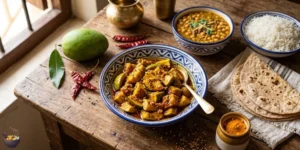
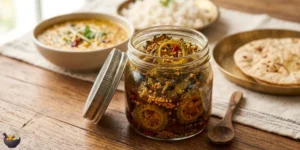
Green chili pickle, or hari mirch achar, has been a fixture on Pakistani dining tables for generations. It’s spicy, tangy, aromatic, and pairs with almost everything — from parathas to pulao.
What sets traditional green chili achar benefits apart is the simplicity of the recipe:
- Fresh green chilies, hand-picked and sun-dried
- Mustard oil or cooking oil as a natural preservative
- Whole spices like fennel, mustard seeds, and turmeric
- Salt and vinegar for preservation — not chemicals
This is a far cry from the mass-produced jars sitting on supermarket shelves. If you want to understand how authentic preparation methods have shaped Pakistani food culture, our deep dive into the history of achar in Pakistani cuisine is worth a read. For those exploring their options, our complete green chili pickle buyer’s guide breaks down exactly what to look for in a quality jar.
🧪 Green Chili Pickle Nutrition – What’s Really Inside the Jar
Let’s talk numbers. Green chili pickle nutrition is more impressive than most people assume, especially when it’s made the traditional way.
A typical serving of homemade green chili pickle offers:
- Vitamin C — green chilies are naturally rich in this immune-boosting antioxidant
- Capsaicin — the active compound responsible for the heat, known for its metabolism-boosting and anti-inflammatory properties
- Healthy fats — from the oil used in traditional pickling, which also helps preserve nutrients
- Minimal added sugar — unlike many commercial condiments
The nutritional value of a pickle depends heavily on how it’s made. Traditional, small-batch preparation retains more of these natural compounds than factory processing, which often involves heat treatment that destroys delicate vitamins. If you’re curious about the broader picture, our article on the top 6 health benefits of pickles covers this in more detail.
🏭 Store-Bought Pickle Alternatives – What Are You Actually Eating?
This is where things get interesting. Store-bought pickle alternatives are designed for one primary goal: shelf stability. That goal often comes at the cost of nutrition.
Preservatives in Store-Bought Pickles
Commercial pickles need to survive months — sometimes years — on a warehouse shelf. To achieve this, manufacturers rely on:
- Sodium benzoate and potassium sorbate as chemical preservatives
- High concentrations of synthetic vinegar
- Stabilizers to maintain color and texture over time
These additives aren’t necessarily dangerous in small doses, but regular consumption adds up, especially if pickles are a daily staple in your diet.
Sodium Content in Pickles
One of the biggest store-bought pickle health risks is excessive sodium. Mass-produced condiments often contain significantly higher salt levels than homemade versions because salt doubles as both a flavor enhancer and a preservative.
High sodium levels have been linked to:
- Elevated blood pressure
- Increased risk of cardiovascular strain
- Water retention and bloating
Artificial Additives in Commercial Pickles
Beyond preservatives, many store-bought jars include:
- Artificial coloring agents (to maintain that “fresh green” appearance for months)
- Flavor enhancers like MSG
- Thickeners and emulsifiers not found in traditional recipes
In short, you’re often trading natural ingredients for processed convenience — and your body notices the difference over time.
⚖️ Green Chili Pickle vs Store-Bought: Side-by-Side Comparison
Here’s a clear pickle comparison homemade vs commercial to help visualize the differences:
| Factor | Homemade Green Chili Pickle | Store-Bought Pickle |
|---|---|---|
| Preservatives | Natural (oil, salt, vinegar) | Chemical (sodium benzoate, etc.) |
| Sodium Levels | Moderate, controllable | Often high, standardized for shelf life |
| Nutritional Value | Retains Vitamin C & capsaicin | Reduced due to processing/heat |
| Probiotics | Present if naturally fermented | Usually absent (pasteurized) |
| Shelf Life | Shorter, needs refrigeration eventually | Long, often 12+ months |
| Ingredients | Transparent, few ingredients | Longer ingredient lists |
| Taste Authenticity | Traditional, regional flavor | Standardized, mass-market flavor |
The takeaway here is simple: homemade wins on nutrition and authenticity, while store-bought wins on convenience and shelf stability.
🦠 Homemade vs Store-Bought Pickle: Fermentation & Gut Health
The homemade vs store-bought pickle debate isn’t complete without discussing fermentation — because this is where digestive health really comes into play.
Probiotics in Homemade Pickle
Traditional pickling, especially vinegar-based or naturally fermented methods, can produce beneficial bacteria that support gut health benefits of fermented food. These probiotics:
- Support digestion
- Help maintain a healthy gut microbiome
- May improve nutrient absorption
Most commercial pickles skip this step entirely. Why? Because pasteurization — a process used to extend shelf life — kills off these beneficial bacteria along with any harmful ones. It’s a trade-off between safety-for-storage and digestive benefits.
Shelf-Stable Pickle vs Fresh Pickle
A shelf-stable pickle vs fresh pickle comparison reveals an unavoidable truth: the longer a product needs to last on a shelf, the more processing it typically requires. Fresh, small-batch pickles prioritize flavor and nutrition over longevity, while mass-produced jars prioritize the opposite.
If you’re interested in the science behind why certain pickling agents are chosen, our article on why vinegar is used for pickling explains the preservation process in detail. And if you’ve ever considered making your own batch at home, 5 reasons to start pickling at home is a great starting point.
🌶️ Is Green Chili Pickle Healthy? Breaking Down the Real Benefits
So, is green chili pickle healthy? The short answer: yes, when made traditionally and consumed in moderation.
Vitamin C in Green Chilies
Green chilies are naturally packed with Vitamin C — often more per gram than citrus fruits. This antioxidant plays a role in:
- Immune system support
- Collagen production for skin health
- Reducing oxidative stress in the body
Capsaicin Benefits
Capsaicin, the compound behind the heat in green chilies, offers surprising spice benefits:
- May boost metabolism slightly
- Has anti-inflammatory properties
- Linked to improved circulation in some studies
Of course, moderation matters — too much of a good (spicy) thing can irritate the digestive tract for some people. For a broader perspective on this topic, check out our detailed piece on whether achar is good or bad for health.
⚠️ Store-Bought Pickle Health Risks You Should Know
Before you grab that convenient jar off the shelf, it’s worth understanding the store-bought pickle health risks more clearly:
- Excess sodium — a major concern for anyone managing blood pressure
- Chemical preservatives — long-term regular intake isn’t well studied
- Loss of nutrients — heat processing and pasteurization reduce vitamin content
- Added sugars — some commercial pickles include sugar to balance acidity, adding unnecessary calories
- Lower ingredient transparency — longer ingredient lists can hide fillers and stabilizers
None of this means store-bought pickles are inherently “bad” — but if health is a priority, these are factors worth weighing.
🏆 Which Pickle Is Better for Health – The Final Verdict
So, which pickle is better for health? Based on everything we’ve covered, homemade or small-batch, traditionally prepared green chili pickle comes out ahead in nearly every nutritional category:
- Higher retention of Vitamin C and capsaicin
- Lower sodium when controlled during preparation
- Potential probiotic benefits from natural fermentation
- No artificial preservatives or coloring agents
Store-bought alternatives still have their place — convenience, long shelf life, and consistency matter for busy households. But if your goal is clean eating and genuine dietary benefits, the traditional route wins.
✅ How to Choose the Healthiest Pickle Option
If you’re not making pickle at home but still want the benefits of a traditional recipe, here’s how to pick the healthiest pickle option at the store:
- Check the ingredient list — fewer ingredients usually means less processing
- Look for oil-based pickles over heavily vinegar-diluted ones for better nutrient retention
- Avoid artificial colors — natural pickles have a duller, more authentic color
- Choose brands that follow traditional achar recipes rather than mass-market formulas
- Check sodium content on the nutrition label and compare brands
This is exactly why sourcing from trusted, small-batch producers matters. You can explore our green chili pickle collection made using authentic, traditional methods — or browse our full range when you buy pickles online in Pakistan.
For proper storage once you’ve made your choice, our guide on how to store achar for maximum freshness and shelf life ensures your pickle stays fresh and nutritious for longer.
🎯 Final Thoughts
The green chili pickle vs store-bought debate ultimately comes down to what you value most: convenience or quality. Store-bought pickles offer easy access and long shelf life, but they often come with trade-offs in sodium, preservatives, and lost nutrients. Homemade or authentically prepared green chili pickle, on the other hand, retains more of its natural goodness — from Vitamin C to beneficial capsaicin — without the chemical baggage.
If you’re serious about clean eating and want a condiment that supports your health rather than quietly working against it, traditional preparation is the clear winner.
Ready to taste the difference for yourself? Explore our authentic Pakistani achar collection or head straight to our green chili pickle and bring home a jar made the way it should be — fresh, flavorful, and genuinely good for you.
❓ Frequently Asked Questions
1. Is green chili pickle healthier than store-bought pickle? Yes, in most cases. Traditionally made green chili pickle retains more Vitamin C, capsaicin, and natural flavor compounds, while store-bought versions often rely on preservatives and higher sodium for shelf stability.
2. What are the main store-bought pickle health risks? The biggest concerns are high sodium content, chemical preservatives, loss of nutrients due to pasteurization, and sometimes added sugars or artificial coloring agents.
3. Does homemade pickle contain probiotics? Naturally fermented homemade pickles can contain beneficial probiotics that support gut health. Most commercial pickles are pasteurized, which eliminates these live bacteria.
4. How much green chili pickle is safe to eat daily? A small serving (1–2 tablespoons) alongside meals is generally considered safe for most people. Those managing blood pressure or digestive sensitivity should consume it in moderation.
5. What should I look for when buying a healthier store-bought pickle? Check for a short ingredient list, oil-based preservation, no artificial coloring, and lower sodium content compared to other brands on the shelf.