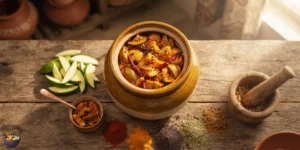
If you’ve ever opened a jar of achar expecting that rich, tangy burst of flavor only to be disappointed by a dull, oily mess with barely any taste — you’re not alone. Knowing how to identify high-quality achar before you buy it can save you from wasted money, bland meals, and even health risks from poorly preserved pickles. Whether you’re picking up a jar from a local shop or ordering online, a few simple checks can tell you almost everything about what’s actually inside that jar.
In Pakistan, achar isn’t just a condiment — it’s a cultural staple that sits beside biryani, daal chawal, and parathas at nearly every meal. But with so many brands flooding the market, telling the difference between an authentic, well-made pickle and a mass-produced, chemically preserved one has become genuinely tricky. This guide breaks down exactly what to look for, smell, and taste so you can shop with confidence every single time.
Why Identifying High-Quality Achar Actually Matters
Achar is more than a flavor booster — it’s often eaten in fairly large quantities over weeks or months, which means ingredient quality directly affects your health and your taste experience.
Low-quality pickles are frequently made with:
- Rancid or reused cooking oil
- Artificial colors to mimic freshness
- Excessive chemical preservatives instead of natural fermentation
- Poor hygiene standards during preparation
On the flip side, a well-made achar — like the kind discussed in our guide on whether achar is good or bad for health — can actually support digestion and deliver genuine nutritional value when prepared traditionally. Understanding the history of achar in Pakistani cuisine also helps explain why traditional preparation methods still matter so much today — they weren’t just about taste, but about preservation and safety long before refrigeration existed.
1. Start With a Visual Inspection
Your eyes are the first and quickest quality-check tool you have, and most problems in a jar of achar are visible before you even open the lid properly.
Color and Texture Clues
A genuine, well-prepared achar should have:
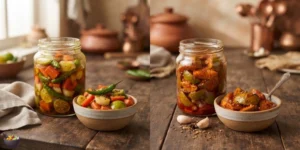
- A natural, slightly deep color that matches the main ingredient (dark red-brown for mango or garlic, golden-green for lime)
- Firm, intact pieces — not mushy, overly soft, or falling apart
- No unnatural neon or overly bright coloring, which usually signals artificial dyes
If you’re buying mango pickle, lime pickle, or garlic pickle, check our detailed breakdowns like the best mango pickle buyer’s guide or the best garlic pickle buyer’s guide to see exactly what each variety should look like at its best.
Oil Quality in Achar
Oil is one of the biggest giveaways of quality:
- Good achar uses enough oil to preserve the ingredients without drowning them — the oil should look clear, not cloudy or discolored.
- Poor quality achar often floats in excessive, murky, or rancid-smelling oil used to mask lower-grade ingredients underneath.
Press a piece gently — if oil oozes out excessively or smells “off,” that’s a red flag worth taking seriously.
2. Trust Your Nose: The Smell and Aroma Test
Smell tells you more about pickle freshness than almost any other sense, and it’s one of the fastest signs of good quality achar you can check right at the counter or when the jar first arrives.
A high-quality achar should smell:
- Spicy and aromatic, with clear notes of mustard, fenugreek, or fennel depending on the recipe
- Slightly tangy from natural fermentation or vinegar, never sharp or chemically sour
- Fresh, without any musty, sour-rotten, or overly artificial fragrance
If the smell is faint, flat, or oddly chemical, it usually means either the spices were used sparingly to cut costs, or preservatives have replaced the natural fermentation process entirely.
3. Check the Ingredients List Closely
This is where how to choose good quality pickle really comes down to label-reading skills. A trustworthy jar will list its ingredients transparently, while lower-quality products often hide behind vague terms.
Natural vs Artificial Ingredients
Look for pickles that use:
- Real, identifiable spices (mustard seed, fennel, fenugreek, red chili)
- Natural oils like mustard or sesame oil
- Vinegar or natural fermentation instead of synthetic acids
Avoid products where the first few ingredients are unclear chemical names or where “preservatives” and “flavor enhancers” dominate the list.
Spices Used in Pickle — Why They Matter
Traditional Pakistani achar relies on a specific spice blend that does double duty — flavor and natural preservation. Spices like fenugreek, mustard, and fennel aren’t just for taste; they have natural antimicrobial properties that help the pickle last without heavy chemical intervention.
Preservatives in Achar — What to Watch For
Some preservation is normal and safe, but excessive chemical preservatives are a warning sign of corner-cutting. If you want pickles made the traditional way with minimal synthetic additives, our organic achar collection is built around exactly this principle.
4. Do a Proper Taste Test
If you can sample before buying — always do it. Taste reveals quality faster than any visual check ever could.
A high-quality achar should deliver:
- A balanced flavor — spicy, tangy, and slightly salty working together, not one note overpowering everything else
- A firm but tender bite, never mushy or rubbery
- A lingering, pleasant aftertaste, not a harsh chemical or overly vinegary bite that stays unpleasantly
If you’re exploring different varieties, our traditional mixed pickle guide is a great place to understand how multiple vegetables should taste together in one jar without any single flavor dominating unfairly.
5. Examine the Packaging and Shelf Life
Packaging tells you a lot about how seriously a brand takes hygiene and quality control — and it’s one of the easiest achar quality check tips to apply instantly, even before opening anything.
Here’s what to look for:
- Properly sealed jars with no air leakage or bulging lids (bulging can indicate unwanted fermentation or spoilage)
- Clear expiry and manufacturing dates printed visibly
- Appropriate storage instructions, especially for preservative-free, naturally fermented pickles
Once you’ve bought your achar, proper storage matters just as much as the initial quality check. Our complete guide on how to store achar for maximum freshness and shelf life walks through exactly how to keep your pickle tasting fresh for months.
Homemade vs Store-Bought Achar: Which Should You Choose?
This is a common dilemma, and honestly, the answer depends on what you’re prioritizing.
| Factor | Homemade Achar | Store-Bought Achar |
|---|---|---|
| Ingredient control | Full control, no hidden additives | Varies by brand |
| Time investment | High — requires weeks of sun-drying/fermenting | Instant availability |
| Consistency | Can vary batch to batch | Generally standardized |
| Shelf life | Shorter without heavy preservatives | Often longer |
| Authenticity | Highest, if made traditionally | Depends heavily on the brand |
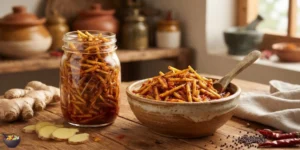
If you love the homemade taste but don’t have the time to make it yourself, brands that replicate traditional methods closely are your best bet. Our 100% homemade ginger achar is a good example of store-bought pickle made using the same slow, traditional process as a home kitchen — giving you authenticity without the weeks-long effort.
6. Buy From Trusted, Authentic Brands
Not every seller follows proper hygiene in pickle making, and this is where brand reputation genuinely matters. A trusted brand will usually be transparent about:
- Sourcing of raw ingredients
- Preparation methods (sun-fermented vs. mass-produced)
- Hygiene standards during packaging
For a reliable starting point, our guide on authentic Pakistani achar from Achar Mart explains exactly how traditional preparation standards are maintained from kitchen to jar.
Quick Checklist: Signs of Good Quality Achar
Before you check out — whether online or in-store — run through this fast fresh achar identification checklist:
- ✅ Natural color, no artificial dyes
- ✅ Clear, non-rancid oil
- ✅ Strong, spicy, fresh aroma
- ✅ Transparent, recognizable ingredients list
- ✅ Balanced taste — not overly sour or chemically sharp
- ✅ Properly sealed packaging with visible dates
- ✅ Minimal, reasonable use of preservatives
- ✅ Trusted brand with transparent sourcing
Common Mistakes to Avoid When Buying Achar
Even careful shoppers slip up sometimes. Watch out for these:
- Judging only by brand popularity — popular doesn’t always mean highest quality
- Ignoring the ingredients label — always check before trusting marketing claims
- Buying based on price alone — significantly cheaper pickles often cut corners on oil or spice quality
- Skipping the smell test — this single step catches more issues than people realize
- Not checking manufacturing dates — freshness fades faster than most people expect, even with preservatives
Final Thoughts: Shop Smart, Taste Better
Learning how to identify high-quality achar doesn’t require any special expertise — just a few seconds of mindful checking before you commit to a jar. Look at it, smell it, read the label, and if possible, taste it. These small habits consistently separate an exceptional pickle experience from a disappointing one.
At Achar Mart, every product is prepared with transparency around ingredients, traditional preparation methods, and proper hygiene standards — because we believe you shouldn’t have to guess what’s inside your jar. Browse our full collection in the Achar Mart shop and taste the difference that genuine quality makes.
Frequently Asked Questions
1. How can I tell if achar is good quality just by looking at it? Check for natural color, firm texture, and clear (not cloudy) oil. Artificial brightness or mushy pieces usually indicate lower quality.
2. Does good achar always smell strong? Not overpoweringly strong, but it should have a clear, pleasant spice aroma. A flat or musty smell is a warning sign.
3. Is homemade achar always better than store-bought? Not necessarily. Homemade offers more ingredient control, but well-made store-bought pickles using traditional methods can match that quality closely.
4. How long does high-quality achar typically last? With proper preparation and storage, naturally preserved achar can last several months to a year. Check our storage guide for details.
5. Are preservatives in achar always bad? No. Small, reasonable amounts are normal for shelf stability. The concern is when preservatives replace proper preparation entirely.
6. What’s the easiest quick test before buying achar? Check the oil clarity and read the ingredients list — these two steps alone catch most quality issues instantly.