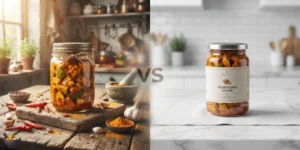
If you’ve ever stood in a grocery aisle holding a jar of mass-produced achaar while thinking about the homemade Tenti pickle your grandmother used to make, you’re not alone. The Tenti pickle vs store-bought pickle debate has become one of the most talked-about topics among Pakistani food lovers who want flavor without compromising their health. Both options promise tangy, spicy satisfaction — but what’s actually happening inside that jar can make a huge difference to your body over time.
In this guide, we’re breaking down the real differences between traditional Tenti pickle and commercially packaged alternatives — covering everything from ingredients and preservatives to nutrition, taste, and long-term health impact. By the end, you’ll know exactly which option deserves a permanent spot on your dining table.
What Is Tenti Pickle? A Quick Introduction
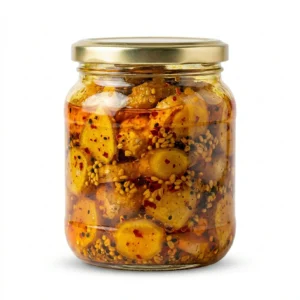
Tenti pickle (also known as caper berry pickle) is a traditional Pakistani achaar made from small, tangy wild berries that grow in arid regions of Sindh and Balochistan. It’s prepared using time-honored methods — mustard oil, natural spices, and sun-drying — without relying on chemical shortcuts.
Unlike many commercial pickles that prioritize shelf life over nutrition, Tenti pickle is rooted in traditional pickle making practices that have been passed down for generations. If you want to understand its cultural significance further, this breakdown of the rich history of achar in Pakistani cuisine is a great place to start.
Tenti Pickle vs Store-Bought Alternatives: The Core Differences
To really understand which pickle wins, we need to look at how each one is made — because the production process directly affects nutritional value, safety, and taste.
How Tenti Pickle Is Traditionally Made
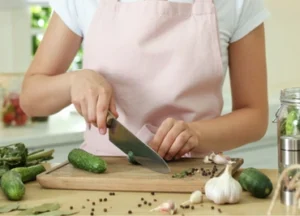
Authentic Tenti pickle follows a slow, careful process:
- Hand-picked tenti berries are washed and sun-dried to remove excess moisture
- Mustard oil is used as the base, known for its natural preservative and flavor-enhancing properties
- Natural spices like red chili, fennel, and fenugreek are added without synthetic flavor boosters
- The mixture undergoes a slow fermentation process, which naturally develops probiotics and deepens the flavor
- Small-batch production ensures better quality control at every step
What Goes Into Store-Bought Pickles
Mass-produced pickles, on the other hand, are built for speed, shelf life, and cost efficiency:
- Heavy use of artificial preservatives to extend expiry dates
- Synthetic colors and flavor enhancers to maintain consistent appearance and taste across batches
- Higher sodium content to prevent spoilage during long storage and transport
- Often made using vinegar instead of natural fermentation, which speeds up production but reduces probiotic value
- Mass production techniques that prioritize volume over nutrient preservation
If you’re curious why vinegar plays such a big role in commercial pickling, this article on why vinegar is used for pickling explains the science behind it.
Is Tenti Pickle Healthier Than Store-Bought Pickle?
This is the question everyone really wants answered — and the evidence leans heavily in favor of traditional preparation.
Natural Spices vs Artificial Preservatives
Natural spices used in Tenti pickle don’t just add flavor — they offer real health perks. Fenugreek supports digestion, red chili boosts metabolism, and mustard oil contains healthy fats that support heart health. Store-bought alternatives often substitute these natural spices with chemical preservatives and flavor enhancers that offer zero nutritional benefit and, in some cases, trigger sensitivities in people with food allergies.
Fermentation Process and Gut Health
One of the biggest advantages of traditionally made achaar is fermentation. This natural process creates probiotics — the beneficial bacteria your gut needs to function properly. Fermented foods have been linked to:
- Improved digestive benefits
- Better nutrient absorption
- Stronger immune response
- Reduced bloating and discomfort
Commercial pickles that skip fermentation and rely on vinegar-based quick pickling miss out on these gut-health advantages entirely. For a deeper dive into this, check out the top health benefits of pickles.
Homemade Pickle vs Commercial Pickle: A Side-by-Side Nutrition Comparison
Here’s a clear breakdown comparing both options across key nutritional and quality factors:
| Factor | Tenti Pickle (Homemade/Traditional) | Store-Bought Pickle (Commercial) |
|---|---|---|
| Sodium Content | Moderate, naturally balanced | Often very high to extend shelf life |
| Preservatives | Minimal to none | Chemical preservatives common |
| Fermentation | Natural, slow fermentation | Often skipped or chemically accelerated |
| Oil Used | Pure mustard oil | Refined or blended oils |
| Antioxidants | Higher, from fresh natural ingredients | Reduced due to processing |
| Shelf Life | Shorter, but fresher | Longer, due to additives |
| Flavor | Deep, authentic, complex | Consistent but often artificial-tasting |
| Hygiene Standards | Controlled, small-batch | Varies by brand and regulation |
The takeaway here is simple: nutritional value and freshness level consistently favor the traditional route, while store-bought pickles win mainly on convenience and shelf life.
Tenti Pickle Health Benefits You Shouldn’t Ignore
Beyond the basic nutrition comparison, Tenti pickle brings some genuinely impressive health perks to the table:
- Rich in antioxidants that help fight oxidative stress
- Contains Vitamin C, supporting immune function
- Supports gut health through natural fermentation
- Made with healthy fats from mustard oil instead of refined alternatives
- Free from synthetic colors and unnecessary additives
- Naturally supports a low-sodium diet when consumed in moderation
For an even more detailed look at these advantages, this dedicated piece on Tenti pickle health benefits and why Pakistanis love it is worth reading.
Store-Bought Pickle Health Risks to Watch Out For
While convenient, commercial pickles come with trade-offs that are easy to overlook:
- High sodium levels that can contribute to elevated blood pressure over time
- Chemical preservatives linked to digestive discomfort in sensitive individuals
- Artificial colors and flavor enhancers that offer no nutritional value
- Potential contamination risk during mass production if hygiene standards slip
- Misleading food labeling that hides true additive content
- Reduced nutritional value due to heavy processing
These aren’t reasons to panic — but they’re worth knowing before you grab the nearest jar off the shelf. For a broader perspective on this topic, this article answering is achar good or bad for your health offers useful context.
Tenti Achaar vs Market Achaar: Taste, Texture & Trust
Beyond health, there’s the simple matter of experience — and this is where Tenti achaar vs market achaar really shows its differences.
Taste Difference: Traditional Tenti pickle delivers a layered, complex flavor built from real spices and slow fermentation. Market versions often taste flatter or overly salty, relying on flavor enhancers to compensate for shortcuts in the process.
Texture Comparison: Authentic Tenti berries retain a satisfying bite and natural tanginess. Mass-produced versions can feel mushy or inconsistent due to accelerated processing timelines.
Trust Factor: When you buy from a brand committed to traditional food habits and transparency, you know exactly what’s going into your jar. That’s a core reason many households are shifting back toward buying pickles online in Pakistan from trusted, quality-focused sellers rather than unknown commercial brands.
Natural Pickle vs Processed Pickle: Which One Deserves a Spot on Your Table?
When comparing natural pickle vs processed pickle, the decision often comes down to your priorities:
Choose natural/traditional pickle if you want:
- Maximum nutritional value and antioxidants
- Support for gut health through real fermentation
- Clean, recognizable ingredients
- A connection to authentic Pakistani cuisine and traditional food habits
Processed pickle might work if you need:
- Extremely long shelf life for bulk storage
- Lower upfront cost
- Wide availability in every store
For most health-conscious households embracing clean eating and an organic lifestyle, natural pickle consistently comes out ahead — especially when freshness and ingredient quality matter more than convenience.
Tenti Pickle Nutrition Facts at a Glance
Here’s a quick snapshot of what you’re actually consuming with high-quality Tenti pickle:
- Calorie count: Moderate, suitable for regular meal pairing in sensible portions
- Healthy fats: Present from mustard oil, supporting heart health
- Antioxidants & Vitamin C: Naturally retained due to minimal processing
- Sodium content: Balanced when made traditionally, without excessive preservative-driven salt
- Probiotics: Developed through natural fermentation agents during the pickling process
These nutrition facts make it clear why Tenti pickle isn’t just a flavorful side dish — it’s a genuinely functional addition to a balanced Pakistani diet.
Which Pickle Is Healthier? The Best Healthy Pickle Option for Your Family
So, which pickle is healthier for daily consumption? Based on everything we’ve covered, traditionally made Tenti pickle offers the stronger nutritional profile — provided it’s sourced from a trusted, quality-focused producer.
When choosing the best healthy pickle option, keep these quick tips in mind:
- Check the ingredient list — fewer, recognizable ingredients are always better
- Avoid pickles with excessive artificial colors or flavor enhancers
- Prefer brands using mustard oil over refined blended oils
- Look for small-batch or traditionally prepared options when possible
- Store your pickle correctly to preserve freshness — this guide on how to store achar for maximum freshness and shelf life covers exactly how
Final Verdict: Tenti Pickle vs Store-Bought Pickle
When you line up Tenti pickle vs store-bought pickle side by side, the traditional option consistently wins on nutrition, authenticity, and overall health impact. Store-bought alternatives aren’t inherently “bad,” but they’re built around convenience and shelf-life — not nutritional quality.
If flavor, freshness, and genuine health benefits matter to you and your family, traditionally made Tenti pickle is the clear winner. It’s a small switch that makes a real difference in your everyday diet — without sacrificing the bold, tangy taste Pakistani households love.
Ready to taste the difference for yourself? Explore our authentic Tenti pickle collection, browse our full range in the Tenti pickles category, or check out our complete Tenti pickle buyer’s guide before you order. For more options, visit our online shop and bring home a jar made the traditional way.
❓ Frequently Asked Questions
1. Is Tenti pickle healthier than store-bought pickle? Yes, generally. Traditional Tenti pickle is made with natural spices, mustard oil, and a slow fermentation process, offering more antioxidants, probiotics, and fewer artificial preservatives compared to most store-bought alternatives.
2. What are the main health risks of store-bought pickles? Common risks include high sodium content, artificial preservatives, synthetic colors, and reduced nutritional value due to heavy processing and mass production methods.
3. Can I eat Tenti pickle every day? Yes, in moderate portions. Because it’s made with natural ingredients and balanced sodium levels, Tenti pickle can be enjoyed regularly as part of a healthy, varied diet.
4. Why does homemade pickle taste better than commercial pickle? Homemade and traditionally made pickles use real spices and natural fermentation, which develop deeper, more complex flavors compared to the flatter taste often found in mass-produced versions.
5. How should I store Tenti pickle to keep it fresh longer? Keep it in a clean, dry, airtight jar away from direct sunlight, and always use a dry spoon to avoid introducing moisture or contamination.