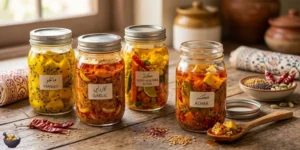
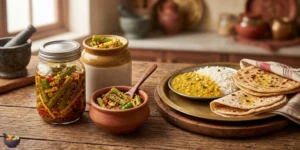
If you’ve ever sat down for a Pakistani meal and noticed a small bowl of tangy, spicy amla achar sitting proudly beside the daal and roti, you’re witnessing a tradition that’s far more than just a flavor booster. The Amla Pickle Health Benefits go way beyond taste — this humble condiment is packed with vitamin C, antioxidants, and gut-friendly goodness that Pakistani households have relied on for generations. From boosting immunity during flu season to aiding digestion after a heavy meal, amla pickle has quietly earned its place as a everyday health hero on our dining tables.
In this guide, we’ll unpack exactly why this sour-and-spicy achar has such a devoted following across Pakistan, what makes it nutritionally powerful, and how you can make it a smarter part of your daily diet.
🌿 What Makes Amla Pickle So Special?
Amla, also known as Indian Gooseberry, is one of the richest natural sources of vitamin C on the planet — often containing more vitamin C than an orange, ounce for ounce. When this tart little fruit is transformed into a pickle using traditional spices, mustard oil, and time-honored fermentation techniques, it becomes something even more remarkable.
Here’s what sets amla achar apart from other traditional Pakistani condiments:
- It retains most of amla’s nutritional punch even after pickling
- The fermentation process adds probiotic-like digestive benefits
- The spice blend (often including fennel, mustard seeds, and red chili) enhances both flavor and medicinal value
- It has a long shelf life, making it a practical pantry staple
This combination of nutrition and taste is exactly why you’ll find amla achar featured in our amla pickle collection — crafted the traditional way, without shortcuts.
💪 Top Amla Pickle Health Benefits You Should Know
Let’s get into the real reason you’re here — the science-backed and traditionally-trusted benefits of eating amla pickle regularly.
1. Boosts Immunity Naturally
Amla is legendary for its vitamin C content, and this immune system booster effect doesn’t disappear during pickling. Regular consumption helps your body fight off common colds and seasonal infections — which is exactly why amla pickle is considered one of the best cold and flu home remedies in Pakistani households, especially heading into winter.
2. Supports Digestion and Gut Health
One of the most talked-about Amla Achar Benefits is its impact on digestion. The natural fiber and fermentation properties make it a fantastic digestive health food. Many Pakistanis swear by a small spoonful after meals to reduce bloating and improve nutrient absorption — a habit rooted in Ayurvedic and desi food wisdom passed down for generations.
3. Rich in Antioxidants That Fight Cellular Damage
Amla is loaded with antioxidant rich foods compounds like polyphenols and flavonoids. These help neutralize free radicals in the body, potentially slowing down signs of aging and reducing inflammation. This makes amla pickle a genuinely functional anti-inflammatory food, not just a flavorful side dish.
4. Great for Skin and Hair Health
Vitamin C plays a direct role in collagen production, which is why amla is often associated with skin and hair health benefits. Consistent intake — whether through the pickle, amla juice, or amla powder — is believed to support a natural glow and stronger, shinier hair from the inside out.
5. May Help Manage Blood Sugar Levels
Some traditional and modern nutrition sources suggest amla may support healthier blood sugar control, making it a food worth considering for those mindful of their glucose levels (always alongside professional medical advice, of course).
6. Supports Liver Health
Amla has long been used in Ayurvedic remedies as a liver-friendly ingredient. As a liver health food, it’s believed to support the body’s natural detoxification processes when consumed as part of a balanced diet.
7. Weight Loss Friendly Addition
Because it’s low in calories yet high in flavor and fiber, amla pickle can be a smart weight loss friendly food — it satisfies cravings for something tangy and spicy without derailing your calorie goals, especially when paired with lighter meals.
📊 Amla Pickle Nutrition Facts
Here’s a quick breakdown of what you’re getting nutritionally, based on typical amla pickle preparation (values may vary slightly by recipe and brand):
| Nutrient | Approximate Value (per 100g) | Why It Matters |
|---|---|---|
| Vitamin C | High (varies with oil-based prep) | Immunity & skin health |
| Fiber | Moderate | Digestive support |
| Antioxidants (Polyphenols) | High | Cell protection |
| Calories | Low to moderate | Weight-conscious choice |
| Sodium | Moderate (due to salt/spices) | Flavor, but monitor intake |
For a deeper nutritional dive, our detailed post on the top 5 benefits of amla pickle breaks things down further.
🇵🇰 Why Pakistanis Love Amla Pickle With Every Meal
Ask anyone in a Pakistani household why there’s always achar on the table, and you’ll get answers rooted in both taste and tradition. Here’s why amla pickle specifically has such staying power:
- It cuts through richness — Pakistani cuisine often features oily, heavy dishes, and the tang of amla achar balances that beautifully
- It’s a cultural staple — passed down through generations as part of everyday South Asian cuisine
- It doubles as medicine — many families use it as a natural remedy rather than reaching for store-bought supplements
- It pairs with almost anything — from daal chawal to parathas, amla pickle works as a versatile meal side accompaniment
If you’re curious how it stacks up against other regional favorites, check out our guide on 10 best Pakistani dishes to pair with achar for inspiration.
⚖️ Amla Pickle vs Amla Juice — Which Is Better?
This is a common question, and honestly, both have their place.
| Factor | Amla Pickle | Amla Juice |
|---|---|---|
| Taste | Spicy, tangy, savory | Sour, sometimes bitter |
| Shelf Life | Long (months) | Short (needs refrigeration) |
| Meal Pairing | Excellent with rice, roti, daal | Best consumed standalone |
| Preparation | Traditional, spice-infused | Simple extraction |
| Cultural Fit | Deeply rooted in Pakistani cuisine | More common as a health drink |
If you enjoy bold, spicy flavors and want something that fits naturally into your everyday meals, amla pickle is the more practical and enjoyable choice for most Pakistani households.
🍽️ How to Use Amla Pickle in Your Daily Diet
Wondering how to work more amla achar into your routine? Here are some simple, practical ideas:
- Add a small spoonful alongside daal chawal or khichdi
- Pair it with parathas for breakfast
- Serve it with biryani or pulao to balance richness
- Use it as a tangy topping for sandwiches or wraps
- Enjoy a small piece before meals to stimulate digestion
The key is moderation — a little goes a long way, both in flavor and health impact.
🏠 How to Make Amla Pickle at Home (Quick Overview)
Making amla pickle traditionally involves boiling or steaming the amla, mixing it with mustard oil, red chili, fennel, and other spices, then letting it mature over several days. It’s a rewarding process, similar in spirit to our guide on homemade ginger achar.
That said, achieving the perfect balance of spice, tang, and shelf-stability takes practice. If you’d rather skip the trial-and-error, our amla pickle is made using authentic, homemade methods — so you get the same traditional taste without the guesswork.
🧊 How to Store Amla Pickle for Maximum Freshness
Proper storage is essential to preserving both flavor and health benefits:
- Always use a clean, dry spoon to avoid contamination
- Store in an airtight glass jar
- Keep away from direct sunlight and moisture
- Refrigerate during hot summer months for extended shelf life
For a complete breakdown, take a look at our guide on how to store achar for maximum freshness and shelf life.
⚠️ Are There Any Side Effects of Amla Pickle?
While amla pickle is generally safe and beneficial, moderation matters:
- High sodium content from salt and oil-based preservation may not suit those managing blood pressure
- Acidic nature could bother individuals with acid reflux or sensitive stomachs if consumed in excess
- Oil content should be considered by those watching calorie intake closely
As with most achar, the golden rule is: enjoy it as a flavorful accompaniment, not a main dish. For a broader perspective, our article is achar good or bad for health covers this topic in more depth.
📜 A Quick Look at Achar’s Cultural Roots
Achar isn’t just food in Pakistan — it’s heritage. If you’re interested in how pickling became such a beloved culinary tradition across the region, our piece on the history of achar in Pakistani cuisine is worth exploring.
🏁 Final Thoughts
Amla pickle isn’t just another jar sitting in your kitchen — it’s a small but mighty contributor to immunity, digestion, and overall wellness, wrapped in a flavor Pakistanis have loved for generations. Whether you’re managing your health goals or simply craving that perfect tangy bite alongside your favorite meal, amla achar delivers on both fronts beautifully.
The best part? You don’t have to choose between authentic taste and real health benefits — with the right amla pickle, you get both in every spoonful.
Ready to experience it yourself? Explore our authentic, homemade amla pickle collection or browse our full range of pickles online in Pakistan and bring that traditional, health-packed flavor straight to your table.
❓ Frequently Asked Questions
Is amla pickle good for daily consumption? Yes, in moderate amounts, amla pickle can be a healthy daily addition thanks to its vitamin C and antioxidant content — just watch your sodium intake if consuming regularly.
What are the main health benefits of amla pickle? Key benefits include immune support, improved digestion, antioxidant protection, and potential support for skin, hair, and liver health.
Does amla pickle help with digestion? Yes, its fiber content and traditional preparation methods make it a popular natural aid for digestion in Pakistani households.
Is amla pickle better than amla juice? Both offer benefits, but amla pickle fits more naturally into everyday Pakistani meals and has a longer shelf life compared to fresh amla juice.
How should amla pickle be stored? Store it in an airtight glass jar, away from moisture and sunlight, using a clean dry spoon each time to extend freshness.
Are there any side effects of eating too much amla pickle? Excess consumption may lead to increased sodium intake or stomach discomfort for those sensitive to acidic foods, so moderation is recommended.