Every Pakistani kitchen has that one jar of achar sitting beside the daily meal. But when you compare amla pickle vs store-bought pickle, which one is better for your body? Is amla pickle healthy enough to eat regularly, or does it lose its goodness once it goes through a factory? The amla pickle benefits are real, but they depend heavily on how the pickle is made. If you’re hunting for the healthiest pickle on your table, the answer comes down to ingredients, oil, salt and preservatives. Let’s unpack it all.
What Is Amla Pickle? (Indian Gooseberry Pickle Explained)
Amla, also called Indian gooseberry, is a small, pale-green, sour fruit. It has been valued in South Asian kitchens and Ayurvedic tradition for centuries. Amla pickle, or amla achar, is made by cooking or curing the fruit with salt, spices and oil. A traditional Indian pickle like this was never meant to be a processed product. It was a preserved, flavour-packed way to enjoy a seasonal superfruit all year.
If you want the cultural story behind this, read our piece on the history of achar in Pakistani cuisine.
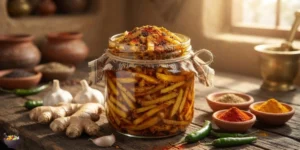
Traditional amla achar usually contains:
- Fresh amla
- Cold-pressed mustard oil
- Rock salt or sea salt
- Fennel (saunf), fenugreek (methi), nigella (kalonji) and turmeric
- Red chili powder
That is a short, recognisable list. Keep it in mind, because it matters when we look at the packaged alternatives.
Amla Pickle Benefits: What Makes It Special? 🍋
Most pickles are about flavour first. Amla pickle is one of the few where the main ingredient is also a nutritional heavyweight. Here are the amla achar health benefits worth knowing.
1. A Vitamin C Rich Pickle
Amla is among the richest natural sources of vitamin C. Vitamin C supports normal immune function and helps your body absorb iron. That is why amla is often treated as an immunity booster food.
2. Packed With Antioxidants
Antioxidants in amla, including polyphenols, tannins and flavonoids, help the body fight oxidative stress. Oxidative stress is linked to ageing and many long-term health issues.
3. Supports Gut Health and Digestion
Amla is traditionally used to stimulate digestive enzymes and ease sluggish digestion. When the pickle is naturally cured, spices like fennel and fenugreek add to this effect. Some traditionally prepared versions can also behave like probiotic fermented foods. This depends on the method, and not every pickle is truly fermented.
4. Anti-Inflammatory Properties
The Ayurvedic benefits of amla often focus on its cooling, balancing nature. Modern research on amla extracts suggests anti-inflammatory properties, though most studies use concentrated extracts. A spoonful of pickle is not a medicine.
5. Heart and Cholesterol Support
Some studies suggest amla may help support healthy cholesterol levels. For cholesterol and heart health, the pickle still has to be eaten in small amounts because of its salt content.
For a deeper dive, check our guide to the top 5 benefits of amla pickle and our broader article on the top 6 health benefits of pickles.
Amla Pickle Nutrition Facts (What to Expect)
Exact numbers vary by recipe, oil quantity and brand. This table gives a realistic general picture per 1 tablespoon (about 15 g) serving.
| Nutrient | Homemade / Traditional Amla Pickle | Typical Mass-Market Packaged Pickle |
|---|---|---|
| Calories | Around 30–50 kcal | Around 40–70 kcal |
| Vitamin C | Partly retained (varies) | Often lower after heat processing |
| Sodium | Moderate to high | Often high |
| Oil type | Cold-pressed mustard oil | Often refined oil blends |
| Preservatives | None or natural (salt, oil) | Often sodium benzoate or acids |
| Added sugar | None | Sometimes added |
In short: the difference is not only in the nutrients. It’s in what else is in the jar.
What’s Really Inside Store-Bought Pickles?
Not every packaged pickle is bad. But many mass-produced jars are built for shelf life and low cost, not health. Here’s what to watch for.
Artificial Preservatives
Many commercial pickles use artificial preservatives such as sodium benzoate, citric acid and acetic acid (vinegar). Citric and acetic acid are generally recognised as safe in food. Sodium benzoate is permitted within limits, but many people prefer to avoid it. This is where preservatives in packaged pickles become a real talking point.
Refined Oil vs Mustard Oil
This is one of the biggest differences in refined oil vs mustard oil.
- Cold-pressed mustard oil is traditional, pungent and has long been used for natural preservation and flavour.
- Refined oils are cheaper and neutral in taste. They are heavily processed and lack the character of traditional oil.
Excess Salt
Salt is a natural preserver, but excess salt risks are serious. The WHO recommends adults keep daily salt intake under about 5 grams. A few spoonfuls of salty achar can eat into that limit quickly. This matters especially for high blood pressure and salt concerns. The sodium content in pickles is the main reason moderation matters, which we cover in detail in our article on whether achar is good or bad for health.
Added Sugar and Flavor Enhancers
Some commercial brands add sugar, colour or flavour enhancers like MSG to create a consistent taste. Traditional amla achar needs none of these.
Homemade vs Packaged Food: Ingredients Comparison
Here’s a side-by-side ingredients comparison so you can see the gap clearly.
| Factor | Homemade / Small-Batch Amla Pickle | Typical Store-Bought Pickle |
|---|---|---|
| Ingredients list | Short and recognisable | Long, with additives |
| Oil | Cold-pressed mustard oil | Refined or blended oil |
| Preservatives | Natural (salt, oil, spices) | Chemical preservatives common |
| Sugar | Usually none | Sometimes added |
| Freshness | Made in small batches | Mass-produced, long storage |
| Transparency | You know the process | Label may be unclear |
| Consistency | Varies slightly batch to batch | Very uniform |
The takeaway: the closer a pickle is to a traditional recipe, the closer it is to a clean-label food. A natural vs processed food comparison favours small-batch pickles almost every time.
That said, “store-bought” and “homemade-style” are not opposites. Many small, trusted brands make pickles the traditional way. Our best amla pickle in Pakistan buyer’s guide explains how to spot those.
Nutrient Retention: Does Pickling Destroy Vitamin C?
This is where honesty matters. Vitamin C is sensitive to heat, air and long storage, so some vitamin C loss during processing is unavoidable. Here’s how method affects nutrient retention in pickling.
- Gentle curing or short steaming retains more nutrients.
- Prolonged boiling destroys a larger share of vitamin C.
- Long shelf storage slowly reduces vitamin C further.
- Antioxidants and fibre are more stable than vitamin C and hold up better.
So amla pickle will not match a fresh amla. But it still delivers fibre, polyphenols, spices and flavour. It also encourages you to eat amla at all, which is a win for people who can’t handle the raw fruit’s sourness.
A Quick Word on the Fermentation Process
The fermentation process uses salt and time to encourage friendly bacteria. Truly fermented pickles can support gut health. Most oil-based Pakistani achars are cured rather than fermented, and vinegar-based ones are not fermented at all. Don’t assume every jar is a probiotic.
If you’re curious about why vinegar is used in some pickles, see why vinegar is used for pickling.
Amla Pickle for Diabetes, Weight Loss and Blood Pressure
These are the questions people ask most, so let’s answer them carefully. Always follow your doctor’s advice.
Amla Pickle for Diabetes 🩺
Amla is often studied for blood sugar control, and the fruit itself is low in sugar. A sugar-free pickle made without added sweeteners is a better choice than a sweetened one. Even so, portion size matters, and pickle is not a replacement for medication or a diet plan.
Amla Pickle for Weight Loss
Amla pickle is a low-calorie condiment when eaten in small amounts. It adds big flavour to simple, healthy meals like dal, khichdi or grilled meals. The risk is overeating it, since the oil adds calories quickly.
Amla Pickle and Blood Pressure
Because of the salt, people managing hypertension should eat it sparingly and choose lower-salt versions. Skipping a jar full of salt and preservatives is a smart move.
Amla Pickle vs Mango Pickle: How Do They Compare?
People often ask how amla pickle vs mango pickle stacks up.
- Amla pickle: much richer in vitamin C and antioxidants, with a tart and slightly bitter taste.
- Mango pickle: milder in nutrition but loved for its tangy, oily, spicy punch.
- Both: can be high in salt and oil, so moderation applies to each.
For the full picture on the mango side, explore our best mango pickle in Pakistan guide or the mango pickle vs lime pickle comparison. If you enjoy variety, our mix pickle health benefits and ginger pickle health benefits articles also help you build a balanced achar rotation.
Amla Pickle Side Effects: Who Should Be Careful?
Even a healthy-leaning food has limits. Possible amla pickle side effects include:
- High sodium intake if you eat too much
- Acidity or heartburn in people with sensitive stomachs
- Excess oil adding unwanted calories
- Interaction concerns for people on blood thinners or diabetes medication, since amla can have mild effects. Check with your doctor.
- Food safety risks if a homemade jar is made with wet utensils or stored badly
Good food safety and hygiene makes a huge difference. Always use dry, clean spoons, and keep the fruit submerged in oil.
How to Read Pickle Labels and Choose a Healthy Pickle ✅
Wondering how to choose a healthy pickle? Use this simple checklist when you shop.
- Read the ingredient list. Shorter is better.
- Look for mustard oil, not a vague “vegetable oil.”
- Avoid sodium benzoate, artificial colours and MSG if you want a cleaner option.
- Check for added sugar, especially if you are watching blood sugar.
- Check the packaging date and shelf life of pickles. Fresh batches are better.
- Look for certification. An FSSAI certified pickle applies in India. In Pakistan, look for PSQCA approval and clear manufacturer details.
- Prefer small-batch and organic. An organic amla pickle from a transparent maker is a strong option. See our guide to buying organic achar online in Pakistan.
Simple Amla Pickle Recipe at Home 🥣
Want to test the difference yourself? Here’s an easy homemade amla pickle recipe. It also fits the 5 reasons to start pickling at home we’ve written about before: control, freshness, flavour, savings and fun. See 5 reasons to start pickling at home.
Ingredients
- 500 g fresh amla
- 1/2 cup cold-pressed mustard oil
- 2 tbsp salt (adjust to taste)
- 1 tbsp fennel seeds
- 1 tsp fenugreek seeds
- 1 tsp nigella seeds
- 1 tsp turmeric
- 1–2 tsp red chili powder
Method
- Steam the amla lightly for 5–7 minutes until slightly soft. Don’t overcook.
- Cool, then remove the seeds and separate into segments.
- Dry-roast and coarsely crush the spices.
- Heat the mustard oil until it smokes lightly, then cool it completely.
- Mix the amla, spices and salt in a clean, dry bowl.
- Pour in the cooled oil and mix well.
- Fill a sterilised glass jar and keep it in sunlight for 3–5 days, shaking daily.
For jar-keeping tips, see how to store achar for maximum freshness and shelf life.
Portion Size and Moderation: Is It Safe to Eat Daily?
Is it safe to eat daily? For most healthy adults, a small portion of good-quality amla pickle is fine. A sensible serving is about 1 to 2 teaspoons with a meal. Think of achar as a flavour booster, not a side dish.
Good healthy eating habits look like this:
- Pair pickle with fibre-rich meals
- Balance salty achar with fresh salad and water
- Skip it on very high-sodium days
- Rotate flavours instead of relying on one jar
Healthy Pickle Alternatives to Consider
If you want variety while keeping things light, try these healthy pickle alternatives:
- Garlic pickle for its traditional heart-friendly reputation
- Ginger pickle for digestion
- Carrot pickle for a lighter, crunchier bite
- Mixed pickle for a flavour assortment
All of them follow the same rule: choose clean ingredients and eat in moderation.
So, Which Is Healthier? The Verdict
In the amla pickle vs store-bought pickle debate, the winner depends on what’s in the jar:
- Traditional or small-batch amla pickle wins on ingredients, oil quality and freshness.
- Mass-produced pickle may offer convenience, but often comes with refined oil, extra preservatives and more additives.
- Moderation matters most. Even the healthiest pickle can hurt you if you eat it by the bowl.
If you’d rather skip the mixing and waiting, you can shop our amla pickle made in the traditional way. You can also browse the full amla pickle collection or read about amla achar in Pakistan to learn what makes a quality jar.
Conclusion
Amla pickle is a genuinely nutritious tradition, but only when it’s made honestly. With cold-pressed mustard oil, natural curing and no unnecessary additives, it offers vitamin C, antioxidants and digestive support in a tasty form. Store-bought pickles aren’t all bad. But the long ingredient lists, refined oils and chemical preservatives on many labels make them a weaker choice. Read labels, watch your salt, keep portions small and choose brands you can trust.
🛒 Ready to Taste the Difference?
Skip the additives and enjoy the real thing. Order authentic, small-batch amla pickle from Achar Mart today. You can also explore our full pickle shop for other traditional flavours delivered across Pakistan.
❓ Frequently Asked Questions (FAQs)
1. Is homemade amla pickle healthier than store-bought?
Usually yes, because you control the oil, salt and ingredients. Homemade or small-batch pickles avoid artificial preservatives and refined oils. A trusted traditional brand can be just as good.
2. Does amla pickle lose vitamin C?
Some vitamin C is lost during cooking and storage. Light steaming and fresher batches retain more. Antioxidants and fibre stay more stable.
3. How much amla pickle can I eat daily?
About 1 to 2 teaspoons with a meal is a reasonable amount for most healthy adults. People with high blood pressure should eat less.
4. Which store-bought pickle is the healthiest?
Choose one with a short ingredient list, mustard oil, no added sugar, and no sodium benzoate or artificial colours. Small-batch and organic options are usually better.
5. Is amla pickle good for diabetics?
Amla is low in sugar and often studied for blood sugar support. Choose a sugar-free pickle, keep portions small and consult your doctor.
6. Does store-bought pickle contain preservatives?
Many do, such as sodium benzoate, citric acid or acetic acid. Check the label to be sure.
7. Is amla pickle high in sodium?
Yes, like most pickles, it can be. Salt is part of the preservation process, so moderation is important.
8. Can amla pickle improve digestion?
Amla and spices like fennel and fenugreek are traditionally used to support digestion. Eating small amounts with meals may help, but results vary.