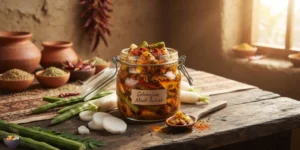
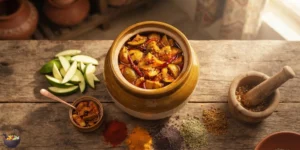
Every Pakistani household has a story about a jar of achar that went wrong. Maybe it grew a white fuzzy layer after a rainy week, or the mango pieces turned soft and dark in the middle of June. The truth is simple: achar preservation in Pakistan is not just about the recipe. It is about the weather outside your kitchen window.
Pakistan has one of the most varied climates in the world. Lahore bakes at over 40°C in summer, Karachi stays sticky with coastal humidity, and the northern areas stay cool for months. Add the monsoon, and one jar of pickle can behave in three different ways depending on where it sits. Understanding this is the first step to keeping your achar fresh, safe and delicious for a year or more.
In this guide, you will learn how climate affects achar, why pickles spoil, how traditional methods still work, and what you can do today to protect your jars.
Why Climate Matters So Much for Achar
Pickling is an old method of food preservation. Salt, acid, oil and spices work together to stop harmful microbes from growing. But these defenses only work within certain conditions. When heat, moisture or air get inside the jar, the balance breaks.
Three climate factors decide how long your achar lasts:
- Temperature: Heat speeds up chemical reactions and microbial growth.
- Humidity: Moisture in the air is the number one cause of fungus on pickle.
- Temperature swings: Hot days and cool nights cause condensation inside the jar.
Think of preservation as a shield. In dry, moderate weather the shield is strong. In humid, hot weather, it needs extra help from you.
How Pakistan’s Climate Zones Affect Achar Preservation
Hot and Dry Regions (Punjab, Sindh, Balochistan)
In the plains of Punjab and upper Sindh, summer heat can cross 45°C. Dry heat is friendly to pickle in one way: low humidity means less fungus risk. This is why the sun drying method has been trusted in village kitchens for generations.
But extreme heat has its own problems:
- Oil can turn rancid faster
- Spices lose their aroma and colour
- Vegetables may become too soft
- Jars left in direct sun can overheat and spoil the flavour
Humid and Coastal Regions (Karachi, Hyderabad)
Coastal cities have high humidity almost all year. Air heavy with moisture finds its way into jars every time they are opened. In these areas, achar mein fungus kyun lagta hai is a very common question, and the answer is mostly moisture.
Cool Northern Regions (Gilgit, Swat, Murree)
Cool weather slows spoilage, which is great. However, in very cold places, oil can thicken and salt may crystallize. This is harmless, and the pickle usually returns to normal at room temperature.
The Monsoon Season
From July to September, rain brings high humidity to most of the country. This is the toughest time for pickle storage. Does monsoon humidity spoil pickles? Yes, it can, especially if jars are opened often or stored in damp corners.
The Science Behind Achar: What Keeps It Safe
Salt: The First Guard
Salt pulls water out of vegetables and fruit. Microbes need water to grow, so less water means less spoilage. This is the base of every traditional recipe, from aam ka achar to nimbu ka achar.
Vinegar and Acid
Acid creates an environment where most harmful bacteria cannot survive. This is why many cooks rely on salt and vinegar preservation for vegetables that are low in natural acid. Read more in our guide on why vinegar is used for pickling.
Oil: The Protective Seal
A layer of oil on top of the pickle blocks air. No air means fewer chances for mould to settle. In Pakistani kitchens, mustard oil pickle is the classic choice because of its strong flavour and natural pungency.
Spices as Natural Preservatives
Turmeric, fenugreek (methi), nigella seeds (kalonji), fennel and red chilli are not only for taste. Many of these spices have mild anti-fungal and antimicrobial properties, which is why they are called natural preservatives in traditional cooking. Their effect is helpful but not magical, so they work best together with salt, acid and oil.
Fermentation
Some pickles, especially brine-based ones, develop through fermentation. Good bacteria produce lactic acid, which protects the pickle. Warm weather speeds up fermentation, while cold weather slows it down. Too much heat can make the pickle sour and soft too quickly.
Achar Kharab Hone Ki Wajah: Top Reasons Pickles Spoil
- Moisture: Vegetables not dried properly, or a wet spoon dipped in the jar.
- Not enough salt or oil: Cutting salt to make it “healthier” often shortens shelf life.
- Dirty jars: Poor jar sterilization leaves microbes behind.
- Open exposure: Pickle pieces floating above the oil layer.
- Temperature swings: Condensation forms inside the lid and drips back into the achar.
- Humid storage spots: Near the stove, sink or a damp outer wall.
- Unripe or damaged produce: Bruised mangoes or lemons spoil faster.
Why Does Achar Get Fungus in Humid Weather?
Fungus needs moisture, oxygen and a surface to grow on. In humid weather, air carries water. Every time you open the jar, that moisture enters and settles on the surface. If the top of the pickle is not covered by oil, fungal spores find the perfect home.
Signs of Fungus and Spoilage
- White, green, blue or black fuzzy patches
- A sour, rotten or alcohol-like smell that is not normal for that pickle
- Slimy texture
- Bubbling that does not stop after the first days
- Unusual colour change in the oil
Important safety note: If you see mould, do not just scoop it off and eat the rest. Mould can spread invisibly through soft food. When in doubt, throw it out.
Why Does Achar Turn Black or Soft?
- Too much exposure to air, causing oxidation
- Low salt, which lets vegetables lose firmness
- Excess heat during storage
- Pieces sitting out of the oil
- Natural enzymes breaking down the vegetable
A little darkening in mango or lemon pickle over time is normal. A mushy texture with a bad smell is not.
Achar Storage in Hot Weather: Summer Tips That Work
1. Keep Jars Away From Direct Sunlight
A sunny windowsill looks pretty but slowly cooks your pickle. Store jars in a cool, dark cupboard instead.
2. Choose the Right Container
Use an airtight glass jar with a tight lid. Glass does not absorb smell or react with acid like some plastics and metals can. Avoid aluminium or iron containers.
3. Keep the Oil Layer Healthy
Make sure the pickle is covered by about one inch of oil. If the level drops, top it up with clean, heated and fully cooled oil. This simple oil layer on pickle is one of the best defences against spoilage.
4. Use a Dry Spoon Every Time
One drop of water can start a fungus patch.
5. Store Small Jars for Daily Use
Keep a small jar in the kitchen and refill it from a larger sealed jar. The main jar is then opened rarely, which protects it from air and moisture.
Does Sun Drying (Dhoop Mein Achar Rakhna) Still Work?
Many people ask, kya achar ko dhoop lagana zaroori hai? It depends on the type of pickle and the weather.
Traditionally, mango pickle is placed in the sun for several days. The gentle heat:
- Evaporates extra moisture
- Helps spices blend into the oil
- Speeds up the softening of raw fruit
But it is not always needed. If your fruit is properly salted and dried and your jar is sealed well, dhoop mein achar rakhna is helpful but not compulsory. In very hot summers, too much sun can damage the oil and flavour.
Best practice for sun drying:
- Use a clean glass jar with a muslin cloth or mesh cover, not a tight lid
- Place it in morning or mid-day sun only, not extreme afternoon heat
- Bring it inside before sunset so night dew does not touch it
- Never sun-dry during or right before rain
How to Keep Achar Fresh During the Rainy Season
Many readers ask, barish ke mausam mein achar kaise store karein? Follow these steps:
- Do not open jars on rainy, humid days unless needed.
- Store pickle in the coolest, driest room of the house, not above the stove.
- Wrap the lid area with a clean dry cotton cloth or use cling film under the lid.
- Check the oil layer before monsoon starts and top up if needed.
- Keep a silica gel sachet in the cupboard to absorb air moisture. Never put it in the food.
- Take out small portions into a separate dry bowl instead of eating from the jar.
- Check jars weekly for early signs of spoilage.
For a full checklist, read our article on how to store achar for maximum freshness and shelf life.
Achar Shelf Life in Pakistan: How Long Does It Last?
There is no single number, because shelf life depends on recipe, oil, salt level, jar and weather. As a general guide:
| Type of Achar | Typical Shelf Life (properly stored) |
|---|---|
| Oil-based mango pickle (aam ka achar) | 1 to 2 years |
| Lemon pickle (nimbu ka achar) | 1 year or longer |
| Mixed vegetable achar | 6 to 12 months |
| Garlic and ginger pickle | 6 to 12 months |
| Low-salt or low-oil pickle | A few weeks to a few months, fridge recommended |
These are rough estimates, not guarantees. Always trust your eyes and nose first.
Best Oil for Achar Preservation
- Mustard oil: The traditional favourite. Heat it until it smokes lightly, then cool it before use to mellow the raw taste.
- Sesame (til) oil: Stable and mild. Good for sweeter or milder pickles.
- Refined cooking oil or canola: Neutral flavour and widely available.
- Olive oil: Good for specialty pickles like olives, though the flavour is strong.
Whatever oil you choose, it must be fresh. Rancid oil will ruin the pickle no matter how good the recipe is. See how oil and spices come together in our traditional Pakistani mixed pickle guide.
Why Does Achar Ka Tel Upar Kyun Aa Jata Hai?
This is normal and often a good sign.
- Oil is lighter than water and salt brine, so it naturally floats.
- As salt draws water out of vegetables, the oil gets pushed up.
- Over time, the oil forms a protective seal.
Just make sure all pieces stay pressed down under the oil, using a clean dry spoon.
Can Achar Be Stored in the Fridge?
Yes, and it is a smart option in very hot or humid weather.
- Refrigeration slows spoilage, especially for low-salt or low-oil homemade pickles.
- Oil may thicken and look cloudy. Leave the jar at room temperature briefly before serving.
- Use a clean, dry spoon every time.
- Traditional high-salt, high-oil achar is usually fine at room temperature if stored properly.
How Temperature Affects Pickle Fermentation
- Warm (25°C to 35°C): Faster fermentation and flavour development, but higher spoilage risk if salt is low.
- Very hot (above 40°C): Can cause over-fermentation, soft texture and sour taste.
- Cool (below 15°C): Slow fermentation. The pickle takes longer to mature.
The ideal is a steady, moderate temperature, which is why a cool cupboard beats the kitchen counter.
Step-by-Step: Jar Sterilization at Home
- Wash the jar and lid with hot water and soap.
- Rinse well to remove soap traces.
- Boil the jar and lid in water for 10 minutes, or dry them in a warm oven.
- Let them air dry completely. Any leftover water can cause fungus.
- Fill only when the jar is fully dry and cool.
Traditional Achar Making in Pakistan: Wisdom That Still Works
Our grandmothers had no thermometers, yet their pickles lasted all year. Their secrets:
- Choose fresh, firm, unbruised produce
- Wash and dry ingredients fully, often under the sun
- Use generous salt and good oil
- Add turmeric, fenugreek, fennel and other spices
- Seal jars with cloth first, then tight lids later
- Make pickle in the dry season, such as May and June for mangoes
Learn more in our post on the history of achar in Pakistani cuisine. To try your own batch, start with crunchy mango pickle or read 5 reasons to start pickling at home.
Climate-Smart Tips for Popular Pickle Types
Mango Pickle (Aam Ka Achar)
Raw mango has natural acid, but it releases a lot of water, so it needs good salt and drying. Keep the oil layer topped up. See our comparison of mango pickle vs lime pickle in Pakistan.
Lemon Pickle (Nimbu Ka Achar)
Citrus pickle is naturally acidic and often lasts very long, even in heat. It can darken over time, which is normal.
Mixed Vegetable Achar
Mixed pickle carries a higher risk if any vegetable is wet, so dry everything well. Read more in mix pickle health benefits.
Garlic, Ginger and Green Chilli Pickles
Garlic and ginger hold moisture. Keep them well submerged in oil or acid, and refrigerate in humid months if the recipe has lower salt.
Quick Checklist: 12 Rules for Better Achar Preservation in Pakistan
- Use sterilized, fully dry jars
- Choose airtight glass containers
- Never use a wet spoon
- Keep one inch of oil above the pickle
- Use enough salt
- Dry vegetables fully before pickling
- Store in a cool, dark, dry cupboard
- Avoid temperature swings
- Keep a small “daily use” jar
- Be extra careful during monsoon
- Check jars regularly
- When in doubt, throw it out
Buying Achar? Choose Wisely for Pakistan’s Climate
Look for:
- A clean, well-sealed jar or packaging
- A visible layer of oil on top
- Clear ingredient information with no unknown additives
- A trusted seller who stores products properly
At Achar Mart, we focus on authentic recipes and careful packing so your pickle reaches you in good condition. You can buy pickles online in Pakistan, explore our full pickle shop, or try favourites like our mango pickle, lime pickle, mix pickle and garlic pickle. Prefer natural products? See buying organic achar online in Pakistan.
Wondering how pickle fits into your diet? Read whether achar is good or bad for health.
Frequently Asked Questions (FAQs)
Why does achar get fungus in humid weather?
Humid air carries moisture that enters the jar each time it is opened. Fungus grows when moisture, air and an uncovered surface meet. A proper oil layer, dry spoons and a cool storage spot help prevent it.
How does hot climate affect pickle storage?
Heat speeds up spoilage, can make oil rancid, softens vegetables and fades spices. Storing jars in a cool, dark cupboard away from sunlight protects flavour and shelf life.
How can I prevent achar from spoiling in summer?
Use sterilized airtight glass jars, keep one inch of oil above the pickle, use a dry spoon, avoid direct sun and store the jar in the coolest part of the house.
Does monsoon humidity spoil pickles?
It can, if jars are opened often or stored in damp places. Open jars less, keep them dry and check the oil layer before and during the rainy season.
How long does homemade achar last in Pakistan?
Properly made oil-based achar can last one to two years, while low-salt or low-oil versions may last only a few weeks to months.
Can achar be stored in the fridge?
Yes. The fridge helps in hot and humid weather, especially for low-salt pickles. The oil may thicken, which is normal and clears at room temperature.
Which oil is best for preserving achar?
Mustard oil is the traditional favourite in Pakistan, while sesame and refined oils also work well. It must be fresh and used generously to cover the pickle.
Why does achar turn black or soft?
Exposure to air, low salt, excess heat or pieces sitting above the oil can darken or soften pickle. Slight darkening is normal, but mushy texture with a bad smell means it has spoiled.
Kya achar ko dhoop lagana zaroori hai?
Not always. Sun drying helps remove moisture and blend flavours, especially for mango pickle, but properly salted and sealed pickle can do well without it. Avoid dhoop on very hot or rainy days.
Conclusion
Successful achar preservation in Pakistan comes down to understanding your climate and following a few simple rules. Heat, humidity and monsoon rain are not enemies if you are prepared. Clean jars, enough salt, a good oil layer, dry spoons and a cool, dark storage spot will protect your achar through every season.
Traditional wisdom and modern hygiene work best together. Check your jars regularly and trust your senses. A well-preserved jar of achar is a taste of home that lasts.
Call to Action
Want authentic, carefully packed pickle made for Pakistan’s weather? Explore the Achar Mart shop and order your favourite achar today. Have a storage question or a family tip? Share it in the comments, we would love to hear from you.