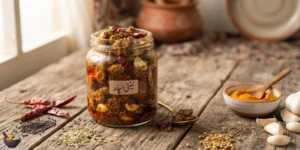
If you or someone in your family lives with diabetes, you have probably heard this advice at least once: “Eat karela, it controls sugar.” And if you love achar, the next question comes naturally: is karela pickle for diabetics actually helpful, or is it just a myth passed down from one dastarkhwan to another?
The honest answer sits somewhere in the middle. Karela (bitter gourd) is a well-known part of traditional diabetic diets in Pakistan and India. But pickling changes the vegetable. Salt, oil and spices come into the picture, and these matter a lot when you are managing blood sugar.
In this guide, we will look at what science says about bitter gourd, how karela achar differs from fresh karela or karela juice, how much a diabetic person can eat, and how to enjoy it safely. No hype, no false promises.
Quick note: This article is for general education only. It is not medical advice. Please speak to your doctor or dietitian before changing your diabetes diet.
What Is Karela (Bitter Gourd) and Why Is It Linked to Diabetes?
Karela, also called bitter gourd or bitter melon (Momordica charantia), is a green, bumpy vegetable that is eaten across South Asia. It has been used in traditional home remedies for generations, especially for sugar problems.
Its reputation comes from a few natural compounds:
- Charantin: A compound that has shown blood sugar-lowering activity in animal studies.
- Polypeptide-p: Often called “plant insulin” because it behaves a little like insulin in lab research.
- Vicine: Another compound found in bitter gourd. It is useful to know about because it can cause problems for some people (more on this below).
- Fiber and antioxidants: Karela is a fiber-rich vegetable with a low glycemic index, which makes it a sensible choice in a diabetic diet.
Fresh karela is naturally low in calories and carbohydrates. That is the main reason it is considered one of the low glycemic foods suitable for people with type 2 diabetes.
If you want a broader look at its goodness beyond sugar, read our guide on karela pickle health benefits.
Does Karela Pickle Lower Blood Sugar? What Research Says
This is the most important section, so let us keep it simple and honest.
The Promising Side
Lab and animal studies have shown that bitter melon compounds can reduce blood glucose, and some small human trials have reported improvements in fasting blood sugar and HbA1c. A recent review also explains how bitter melon may work, for example by reducing the intestinal absorption of glucose in animal and lab studies. nih
The Reality Check
Human evidence is not as strong as many people believe. A well-known meta-analysis of randomized trials found that bitter melon did not show significant improvement in A1c or fasting plasma glucose compared with no treatment. A later, larger review of nine trials with 414 patients reached a similar cautious result, concluding that the metabolic effect cannot be determined from the available clinical evidence. The authors also called for carefully planned clinical trials of longer duration. pmc.ncbi.nlm.nih.gov +2
So What Does This Mean for You?
- Karela is a healthy vegetable and a smart part of a diabetic diet.
- It is not a replacement for medicine such as metformin or insulin.
- Most studies used bitter melon extracts, capsules or juice, not pickle.
- No strong study has tested karela pickle specifically for blood sugar control.
So when someone asks, “does karela pickle lower blood sugar?”, the truthful answer is: it may support a healthy diet, but there is no solid proof that it lowers sugar on its own.
Karela Pickle vs Karela Juice vs Fresh Karela for Diabetes
Not all forms of karela are equal. Here is a simple comparison.
| Form | Blood Sugar Support | Main Concern |
|---|---|---|
| Fresh cooked karela | Good: fiber-rich, low GI | Bitter taste |
| Karela juice | Most studied form | Very bitter, can upset the stomach, may cause low sugar with medication |
| Karela pickle (achar) | Limited: some nutrients remain | Salt and oil content |
Why Pickle Is Different
When karela is pickled, it is usually salted, dried or fried, then mixed with oil and spices. This can:
- Reduce some heat-sensitive compounds (research on this is limited).
- Add sodium content in pickle, which matters for blood pressure and heart health, a common concern for diabetics.
- Add oil, which increases calories.
This is why karela pickle vs karela juice for diabetes is not an equal comparison. Juice is closer to what researchers study, but pickle is more enjoyable and easier to eat regularly in small amounts.
Can Diabetics Eat Karela Pickle? The Short Answer
Yes, most diabetics can eat karela pickle in small portions, as long as:
- Their blood sugar is under control.
- They do not have high blood pressure or kidney problems that need a strict low-salt diet.
- The pickle has no added sugar.
- They treat it as a side flavor, not a treatment.
Pickles are generally not “bad” for diabetics. The real issue is what is in the jar and how much you eat. Our article Is Achar Good or Bad for Health? explains this balance in detail.
Is Pickle Bad for Diabetics Because of Salt and Oil?
This is a fair question. Let us break it down.
Salt (Sodium)
Diabetes and high blood pressure often go hand in hand. A heavily salted pickle eaten daily in large amounts can push sodium intake too high.
What to do:
- Keep the portion small.
- Avoid adding extra salt to your meal on the same day.
- Drink enough water.
Oil
Traditional mustard oil pickle recipes use a good amount of oil. Mustard oil has its fans, but it is still calorie-dense.
What to do:
- Choose pickles that are not swimming in oil.
- Take the karela pieces with a spoon and leave the extra oil behind.
Sugar
Some commercial pickles contain added sugar or jaggery. For diabetics, this defeats the purpose.
What to do:
- Always check the label.
- Look for a sugar free karela pickle or a traditional recipe with only spices, salt and oil.
How Much Karela Pickle Can a Diabetic Eat Daily?
There is no universal number, because every person’s diabetes, medication and diet are different. But as a general, practical guide:
- 1 teaspoon (about 10 to 15 grams) with a meal is a sensible starting point.
- Eat it a few times a week, not necessarily every day.
- Avoid eating it on an empty stomach, since spicy, oily food can upset digestion.
- Pair it with protein and fiber, like dal, sabzi or whole wheat roti, so your meal stays balanced.
Best time to eat karela for sugar control: Fresh karela is generally better with lunch or dinner as part of a cooked meal. Pickle works best as a small side with a main meal.
Always monitor your sugar after trying something new, and share your readings with your doctor.
Benefits of Karela Achar for Diabetes (Realistic View)
Here is what karela pickle can reasonably offer when eaten in moderation:
- Flavor without sugar: It adds taste to simple, healthy meals, which helps people stick to a diabetic diet.
- Some plant nutrients: Bitter gourd contains antioxidants and fiber that remain, in part, after pickling.
- Digestive support: Spices like fennel, nigella and cumin traditionally used in achar are linked with digestion.
- Helps meal satisfaction: Many people find that a small portion of strong-flavored achar makes plain food more enjoyable.
What it cannot do:
- Cure diabetes
- Replace insulin or tablets
- Bring down HbA1c by itself
For a wider look at why pickles in general can have a place in a balanced diet, see The Top 6 Health Benefits of Pickles.
Karela Pickle Side Effects and Safety Precautions
Because bitter gourd is a strong plant, it is worth knowing the risks.
1. Low Blood Sugar (Hypoglycemia)
If you take diabetes medication, eating a lot of bitter melon (especially juice or extract) may push blood sugar too low. Health references also warn that people with hypoglycemia should not take bitter melon because it may trigger or worsen the problem. uofmhealth
2. Karela Pickle and Diabetes Medication Interaction
Bitter gourd may add to the effect of drugs such as metformin, sulfonylureas or insulin. Large amounts, mostly from juice or supplements, are the main concern. Still, tell your doctor if karela is a regular part of your diet.
3. Stomach Upset
Too much karela can cause bloating, loose motions or stomach pain in some people.
4. Pregnancy
Bitter melon is generally not recommended during pregnancy. Check with your doctor first.
5. G6PD Deficiency (Favism)
Because karela contains vicine, people with G6PD deficiency should avoid it unless a doctor approves.
6. High Salt Intake
If you have hypertension or kidney disease, even small daily portions of pickle may be too much salt.
Does Cooking or Pickling Reduce Karela’s Anti-Diabetic Properties?
Good question, and an honest one: we do not have clear human research on this.
What we know:
- Heat and long storage can reduce some sensitive plant compounds.
- Soaking in salt and drying may change the bitterness and some water-soluble substances.
- Fiber largely stays the same.
So, pickling probably does not make karela “useless,” but it is also unwise to assume that the pickle carries the same effect as fresh karela or a studied extract.
The practical takeaway: eat fresh cooked karela as your main source, and enjoy karela achar as an occasional extra.
How to Make Low-Oil Karela Pickle for Diabetics at Home
If you prefer making your own, here is a karela achar recipe for diabetics that keeps salt and oil in check.
Ingredients
- 500 g fresh karela (bitter gourd)
- 1 tablespoon salt (use less if you have blood pressure issues)
- 2 tablespoons mustard oil (instead of the usual 1 cup)
- 1 tablespoon fennel seeds (saunf)
- 1 teaspoon nigella seeds (kalonji)
- 1 teaspoon cumin seeds
- 1 teaspoon turmeric
- 1 teaspoon red chili powder
- Juice of 2 lemons (natural acidity helps preservation)
Method
- Wash and slice the karela into thin rounds. Scrape off rough edges if needed.
- Salt and rest the slices for 1 hour, then squeeze out the bitter juice.
- Dry the slices in sunlight or on a clean cloth for a few hours until fully dry.
- Lightly pan-roast the spices and crush them coarsely.
- Mix the dried karela with spices, lemon juice and the measured oil.
- Store in a clean, dry glass jar. Let it rest for 3 to 4 days before eating.
Tips
- Use only a clean, dry spoon every time.
- Keep it in a cool, dry place away from moisture.
- For storage guidance, read How to Store Achar for Maximum Freshness and Shelf Life.
Prefer a ready-made option? You can explore authentic karela pickle or browse the full karela pickle category at Achar Mart.
How to Choose a Diabetic-Friendly Karela Pickle
When buying from a store, check these points:
- No added sugar or syrup
- Moderate oil (not floating in oil)
- Natural ingredients, no artificial colors or heavy preservatives
- Clear ingredient label
- Clean, sealed packaging
If you want to avoid hidden additives, our guide to buying organic achar online in Pakistan can help you pick better.
Healthy Alternatives to Karela Pickle for Diabetics
If karela achar is too bitter or too salty for you, there are other options that suit a diabetic-friendly plate when eaten in small amounts:
- Garlic pickle: A popular flavor booster with traditional wellness value.
- Ginger pickle: Often used to support digestion.
- Amla pickle: Amla is rich in vitamin C and often discussed in diabetic diets.
- Fresh salads with lemon and black pepper: Zero added sugar, high fiber.
- Home-cooked karela sabzi or stuffed karela with minimal oil
Variety also keeps your meals interesting, so you do not feel restricted.
Smart Tips to Enjoy Pickle Without Spiking Your Sugar
- Portion first: One teaspoon is plenty.
- Balance your plate: Fill half with vegetables, a quarter with protein and a quarter with whole grains.
- Skip refined carbs: Pair achar with whole wheat roti or brown rice rather than white rice and naan.
- Watch the label: Avoid sugary pickles.
- Track your numbers: Check blood sugar before and 2 hours after meals when trying new foods.
- Stay active: A 10 to 15 minute walk after meals helps manage glucose.
Looking for pairing ideas? See our list of the 10 best Pakistani dishes to pair with achar.
Karela Pickle Cannot Replace Diabetes Medicine
This point deserves its own heading because it is so important.
Please do not stop or reduce your medication because you started eating karela or any home remedy. Natural foods can support a healthy lifestyle, but they should never replace prescribed treatment.
A healthy diabetes plan usually includes:
- Prescribed medicines or insulin
- A balanced, low-GI diet
- Regular exercise
- Regular HbA1c and sugar checks
- Doctor and dietitian follow-ups
Karela pickle can be a small, tasty part of that picture, nothing more and nothing less.
Frequently Asked Questions (FAQs)
1. Does karela pickle lower blood sugar?
There is no strong human evidence that karela pickle lowers blood sugar. Fresh bitter gourd is a healthy low-GI vegetable, but studies on blood sugar mostly use juice or extracts, and the results are mixed.
2. Can diabetics eat karela pickle every day?
Many diabetics can have a small amount (about 1 teaspoon) with meals, but it is better as an occasional side. Daily intake depends on your blood pressure, kidney health and medication, so ask your doctor.
3. Is bitter gourd pickle safe for diabetic patients?
It is generally safe in small portions if it has no added sugar and moderate salt and oil. People with low blood sugar, G6PD deficiency, pregnancy or strict low-salt needs should be cautious.
4. Can karela pickle replace diabetes medicine?
No. Karela pickle cannot replace insulin or tablets. Always follow your doctor’s treatment plan.
5. Is pickle bad for diabetics because of salt and oil?
Pickles are not automatically bad, but high salt and oil can be an issue. Choose low-oil, sugar-free versions and keep portions small.
6. What is the best time to eat karela for sugar control?
Fresh cooked karela works well with lunch or dinner as part of a balanced meal. Pickle is best as a small side with food, not on an empty stomach.
7. Does pickling reduce karela’s anti-diabetic properties?
There is little research on this. Pickling may change some compounds, so fresh cooked karela is likely the better main choice.
8. Karela pickle ka diabetes medicine ke sath koi interaction hai?
Bitter gourd, mainly in juice or extract form, may add to the effect of diabetes medicines and cause low sugar. Tell your doctor if you eat it often.
9. Karela ka achar sugar mein faida karta hai?
Karela ek sehatmand sabzi hai, lekin achar ke sugar par seedhe faide ka pakka saboot nahi hai. Isay chhoti miqdar mein, balanced diet ke saath khayein aur dawai jari rakhein.
Final Verdict: Is Karela Pickle Good for Diabetes?
Here is the simple summary:
- Karela (bitter gourd) is a nutritious, low-GI vegetable that fits well in a diabetic diet.
- Research on blood sugar is promising in labs but mixed in humans, and it is mostly based on juice or extracts, not pickle.
- Karela pickle for diabetics can be enjoyed in small portions if it is sugar-free, low in salt and not too oily.
- It is not a treatment, and it must never replace your medicine.
Eat it mindfully, watch your portions, track your sugar and stay in touch with your healthcare provider. That is the real recipe for control.
Ready to Try Authentic, Carefully Made Karela Achar?
At Achar Mart, we focus on traditional recipes made with quality ingredients. Explore our karela pickle, browse our full pickle shop, or read more guides on our blog.
Order today and add a little desi flavor to your healthy meals, in the right portion.
Disclaimer: This content is for informational purposes only and does not replace professional medical advice, diagnosis or treatment. Consult your doctor or a registered dietitian before making changes to your diabetes management.