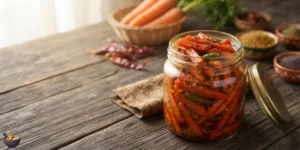
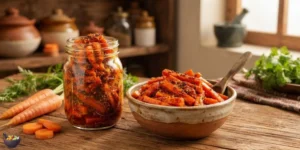
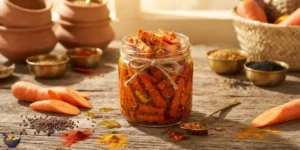
Walk into any Pakistani kitchen during lunch or dinner, and you’ll spot the same golden-orange jar sitting proudly next to the daal, roti, and rice. That’s no coincidence. Carrot pickle health benefits go far beyond its tangy, spicy flavor — this humble condiment is packed with vitamins, antioxidants, and gut-friendly compounds that have made it a permanent fixture on Pakistani dining tables for generations. Whether it’s paired with a hot paratha at breakfast or a plate of biryani at a wedding, gajar ka achar isn’t just a side dish — it’s a wellness habit disguised as a flavor booster.
In this article, we’ll break down exactly why this crunchy, fiery pickle deserves a permanent spot in your fridge, what nutrients it actually delivers, and how Pakistanis have turned it into a daily ritual rather than an occasional treat.
🥕 What Makes Carrot Pickle a Pakistani Kitchen Staple?
Carrot pickle, or gajar ka achar, is one of the most widely consumed forms of Pakistani carrot pickle across Punjab, Sindh, and beyond. Made by combining fresh carrots with mustard oil, vinegar, red chili powder, fenugreek seeds, and a blend of aromatic spices, it’s left to mature until the flavors deepen and the carrots take on that signature tangy bite.
A Tangy Tradition Passed Through Generations
Long before refrigeration was common, Pakistani households relied on pickling as a preservation technique to make seasonal vegetables last through the year. Carrots, being naturally sweet and crunchy, took to the pickling process beautifully — absorbing spices while retaining their signature crunch. This tradition of traditional Pakistani achar making has been passed down through mothers and grandmothers, and it’s part of a much larger culinary legacy. If you’re curious about how this practice evolved, our deep dive into the history of achar in Pakistani cuisine covers the full story.
📊 Carrot Pickle Nutrition Facts You Should Know
Before we get into the specific health perks, let’s look at what’s actually inside a spoonful of carrot pickle. Understanding the carrot pickle nutrition facts helps explain why it’s more than just a flavor enhancer.
A typical serving of homemade carrot pickle contains:
- Vitamin A (from beta-carotene in carrots) — supports vision and skin
- Fiber — aids digestion and keeps you full longer
- Antioxidants — help fight oxidative stress in the body
- Healthy fats from mustard oil — supports nutrient absorption
- Natural probiotics (in fermented versions) — beneficial for gut flora
- Trace minerals like potassium and manganese from carrots and spices
Because it’s made with whole, unprocessed carrots and natural spices rather than artificial preservatives, homemade carrot pickle tends to retain more of these nutrients compared to heavily processed store-bought alternatives.
💪 Top Carrot Pickle Health Benefits
Let’s unpack the specific reasons nutritionists and home cooks alike keep coming back to this fiery condiment.
1. Rich Source of Vitamin A for Eye Health
Carrots are famously loaded with beta-carotene, which your body converts into Vitamin A. This nutrient plays a direct role in maintaining healthy vision, especially in low light. Regularly including carrot pickle in your meals is a small but consistent way to support long-term eye health.
2. Supports Digestion and Gut Health
One of the most talked-about carrot pickle for digestion benefits comes from its fiber content and, in fermented preparations, its natural probiotics. These compounds support a healthy gut microbiome, ease bloating, and can improve overall digestive comfort — which is exactly why it’s often served alongside heavy, oily dishes like biryani or karahi.
3. Boosts Immunity Naturally
The combination of Vitamin A, antioxidants, and immune-supportive spices like garlic and ginger found in many carrot pickle recipes makes it a quiet contributor to a stronger immune system. These immune boosting foods work best when consumed consistently, not just during flu season.
4. Antioxidant Power for Skin Health
Beta-carotene doesn’t just help your eyes — it also plays a role in skin repair and protection against environmental damage. The antioxidants present in both the carrots and the spice blend contribute to healthier, more resilient skin over time.
5. Helps in Weight Management
Contrary to what you might assume about oil-based pickles, a small serving of carrot pickle is low in calories while being high in fiber, which promotes satiety. This makes it a smart addition for anyone mindful of portion control, positioning it as a surprisingly effective weight loss pickle option when eaten in moderation.
6. May Support Healthy Blood Sugar Levels
Carrots naturally have a low glycemic impact, and the fiber content in pickled carrots can help slow down sugar absorption into the bloodstream. While it shouldn’t replace medical advice, it’s a supportive addition to a balanced, blood-sugar-conscious diet.
7. Aids Detoxification
The mustard oil and spices used in pickling — particularly turmeric and fenugreek — are traditionally associated with supporting liver function and the body’s natural detox processes.
If you’ve ever wondered whether pickles in general carry these same advantages, our detailed piece on the top 6 health benefits of pickles breaks down the science across different varieties.
🍽️ Why Pakistanis Eat Pickle With Every Meal
This isn’t just about taste — it’s about culture, digestion, and centuries of culinary wisdom.
It Balances Rich, Oily Dishes
Pakistani cuisine leans heavily on ghee, cream, and slow-cooked meats. A tangy, spicy pickle cuts through that richness, refreshing the palate and aiding digestion after a heavy meal.
It’s a Flavor Enhancer for Simple Meals
Daal chawal or roti with sabzi can feel plain on their own. A spoonful of spicy carrot pickle instantly elevates the meal without requiring extra cooking effort.
It Pairs With Almost Anything
From parathas at breakfast to nihari on a winter morning, carrot pickle fits seamlessly into nearly every course of the Pakistani meal cycle. For a full breakdown of pairing options, check out our guide on the 10 best Pakistani dishes to pair with achar.
It’s Rooted in Family Tradition
Making achar at home, storing it in the sun, and watching it mature is a ritual many Pakistani families still practice — connecting generations through a shared jar on the dining table.
👩🍳 Homemade Carrot Pickle Recipe (Quick Overview)
Want to try making it yourself? Here’s a simplified version of the classic homemade carrot pickle recipe:
Ingredients:
- Fresh carrots, julienned
- Mustard oil
- White vinegar
- Red chili powder
- Turmeric
- Fenugreek seeds (methi)
- Nigella seeds (kalonji)
- Garlic and ginger paste
- Salt to taste
Process:
- Wash and cut carrots into thin strips, then sun-dry briefly to remove excess moisture.
- Heat mustard oil until it reaches a light smoking point, then let it cool slightly.
- Mix all dry spices with vinegar to form a thick paste.
- Combine carrots with the spice paste and oil in a sterilized glass jar.
- Seal and let it sit in sunlight for a few days to mature and develop flavor.
For a complete step-by-step version with exact measurements, our dedicated carrot pickle recipe guide walks you through the entire process.
⚠️ Carrot Pickle Side Effects: What to Keep in Mind
Like most good things, moderation matters. While the health benefits are real, it’s worth being aware of a few carrot pickle side effects:
- High sodium content — excessive consumption may not suit people managing blood pressure
- Oil content — pickles made with generous mustard oil should be eaten in controlled portions
- Acidity — the vinegar and spice combination may not agree with sensitive stomachs if overconsumed
A tablespoon or two alongside your meal is generally enough to enjoy the benefits without overdoing it. For a broader perspective on this balance, our article on whether achar is good or bad for health offers a well-rounded take.
🫙 How to Store Carrot Pickle for Maximum Freshness
Proper storage directly affects both the taste and the nutritional integrity of your pickle.
- Always use a clean, dry spoon when serving
- Store in a glass jar with a tight-sealing lid
- Keep the pickle fully submerged in oil to prevent spoilage
- Avoid direct exposure to excess moisture or humidity
- Refrigerate after opening if you’re not consuming it quickly
For an in-depth storage checklist that applies across all achar varieties, take a look at our guide on how to store achar for maximum freshness and shelf life.
🛒 Homemade vs Store-Bought Carrot Pickle: Which One Should You Choose?
Both options have their place, but they serve slightly different needs.
| Factor | Homemade Pickle | Store-Bought Pickle |
|---|---|---|
| Freshness Control | Full control over ingredients | Depends on brand quality |
| Time Investment | Requires days of preparation | Ready to eat immediately |
| Consistency | Varies batch to batch | Standardized taste and texture |
| Shelf Life | Shorter unless stored well | Often longer due to preservation methods |
| Convenience | Time-consuming | Instantly available |
If you’d rather skip the days of sun-drying and spice-mixing, buying from a trusted source ensures you still get that authentic taste without the wait. You can explore Achar Mart’s full range through our page on authentic Pakistani achar online, or browse other trusted options in our guide to buying pickles online in Pakistan.
✅ Final Thoughts
Carrot pickle isn’t just a side dish sitting quietly on the dinner table — it’s a small but powerful contributor to digestion, immunity, skin health, and overall wellness, wrapped in a burst of tangy, spicy flavor that Pakistanis have loved for generations. Whether you make it at home following family recipes passed down for decades, or pick up a jar that’s already perfected the balance of spice and crunch, adding carrot pickle to your daily meals is an easy, delicious way to support your health.
If you’re ready to experience that authentic, homemade taste without the wait, explore our freshly made carrot pickle collection at Achar Mart, or browse our full carrot pickle category to find the perfect jar for your table.
Looking for more pickle inspiration? Check out our guides on ginger pickle health benefits and garlic pickle health benefits to round out your achar collection with even more flavor and wellness benefits.
❓ Frequently Asked Questions
Is carrot pickle good for daily consumption? Yes, in moderate amounts. A small serving daily can support digestion and provide antioxidants, but excessive consumption due to sodium and oil content should be avoided.
What are the main carrot achar benefits? Carrot achar benefits include improved digestion, better eye health from Vitamin A, immune support, and antioxidant protection for the skin.
Can carrot pickle help with weight loss? When eaten in small portions, carrot pickle is low in calories and high in fiber, making it a supportive addition to a weight-conscious diet.
How long does homemade carrot pickle last? When stored properly in a sealed glass jar with adequate oil coverage, homemade carrot pickle can last several months at room temperature or longer when refrigerated.
Why do Pakistanis eat pickle with every meal? Pickle balances rich, oily Pakistani dishes, enhances simple meals with flavor, and is deeply rooted in family tradition and culinary culture.