If you’ve ever stood in a grocery aisle holding a jar of pickle and wondered whether it’s actually good for you, you’re not alone. The debate around Crush Pickle vs Store-Bought Alternatives has been simmering for years among health-conscious shoppers in Pakistan — and for good reason. One is bursting with bold, homemade flavor and real ingredients. The other promises convenience but often hides a long list of preservatives, artificial colors, and excess sodium. So which one actually deserves a spot on your dinner table?
In this guide, we’re breaking down everything from nutrition facts to fermentation science, so you can make an informed decision the next time you reach for a jar of achaar.
🥒 What Makes Crush Pickle Different?
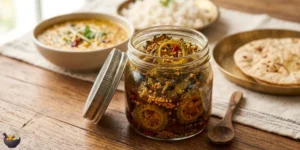
Crush pickle isn’t just another variety on the shelf — it’s a texture and preparation style loved across Pakistani households. Unlike whole-piece pickles, crush pickle is made by finely chopping or crushing vegetables and fruits before mixing them with spices, oil, and natural preservatives like vinegar or lemon juice.
This method allows the spices to penetrate deeper into the ingredients, creating a richer, more intense flavor profile. If you want to understand the full nutritional and health angle of this variety, our detailed guide on crush pickle health benefits breaks it down further.
The real question, though, isn’t about taste — it’s about what goes into the jar.
🏠 Homemade Pickle vs Store-Bought Pickle: The Core Differences
When comparing homemade pickle vs store-bought pickle, the differences go far beyond flavor. Here’s a side-by-side look:
| Factor | Homemade Crush Pickle | Store-Bought Pickle |
|---|---|---|
| Ingredients | Fresh vegetables, natural spices, pure oil | Often includes fillers, synthetic preservatives |
| Preservatives | Vinegar, salt, oil (natural) | Chemical stabilizers, artificial preservatives |
| Sodium Levels | Controlled, moderate | Frequently high to extend shelf life |
| Flavor Enhancers | Real spices, slow-fermented taste | Artificial flavors, MSG in some brands |
| Shelf Life | Shorter but naturally preserved | Extended using chemical additives |
| Nutrient Retention | Higher, due to minimal processing | Often reduced due to heat processing |
Ingredients Breakdown
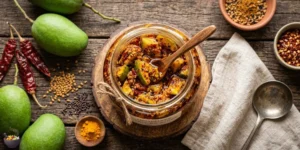
Traditional pickling relies on a handful of trusted ingredients — mustard oil, red chili, turmeric, fenugreek seeds, and either vinegar or lemon juice. These aren’t just flavor boosters; they double as natural preservatives.
Store-bought alternatives, on the other hand, frequently list ingredients most people can’t pronounce. Sodium benzoate, artificial color additives, and stabilizers are common in mass-produced jars designed to survive months on a supermarket shelf.
Preparation Process
Homemade crush pickle preparation is a slow, intentional process. Vegetables are sun-dried, spiced, and left to mature in oil or brine over days — sometimes weeks. This natural fermentation process encourages the growth of beneficial bacteria.
Commercial production, by contrast, prioritizes speed and consistency. Factories often pasteurize the product to kill bacteria (including the good kind), which extends shelf life but strips away probiotic benefits.
🧪 Is Crush Pickle Healthy? Breaking Down the Nutrition
So, is crush pickle healthy? The short answer: when made traditionally, yes — and the nutritional reasoning is solid.
Nutritional Profile
Crush pickle, when prepared at home, retains much of its original vitamin content. Vegetables like carrots, green chilies, and mangoes used in pickling are naturally rich in Vitamin C and antioxidants, which support immune system function.
For readers interested in a deeper dive into general pickle nutrition facts across different varieties, our article on the top 6 health benefits of pickles offers excellent context.
Probiotics & Fermentation Benefits
One of the most underrated advantages of homemade pickle is the fermentation process itself. Fermented foods naturally develop probiotics — beneficial bacteria that support gut health and digestion. This is one area where homemade pickle has a clear edge over most store-bought jars, which are often pasteurized specifically to prevent fermentation (and therefore lose this benefit entirely).
If you’re curious about the science behind this process, check out the benefits of pickling fruits and vegetables for a closer look at how fermentation transforms raw produce into a gut-friendly food.
⚠️ Store-Bought Pickle Health Risks You Should Know
While convenience is tempting, there are real store-bought pickle health risks worth considering before you toss that jar into your shopping cart.
Preservatives & Artificial Additives
Mass-produced pickles often rely on synthetic preservatives to survive long transportation and storage periods. These additives aren’t inherently dangerous in small amounts, but regular consumption adds up — especially for families eating pickle daily as a condiment.
Sodium Overload
Sodium content in pickles is already a natural concern, since salt is a core preservation ingredient. However, commercial brands frequently push sodium levels even higher to compensate for weaker natural preservation methods. Over time, excess sodium intake is linked to elevated blood pressure and cardiovascular strain.
MSG and Artificial Colors
Some store-bought pickle brands use MSG to enhance flavor artificially, along with synthetic dyes to make the product visually appealing on shelves. These artificial colors and flavors offer zero nutritional value and may trigger sensitivities in some individuals.
For a broader perspective on whether traditional achaar helps or harms your health, our guide is achar good or bad for health tackles this question in detail.
✅ Crush Pickle Benefits: Why Homemade Wins
Let’s talk about why homemade crush pickle consistently comes out ahead in health comparisons.
- Real, traceable ingredients — no mystery additives
- Natural fermentation supports digestive health
- Controlled oil and salt levels, unlike mass-produced recipes
- Rich in antioxidants from fresh vegetables and spices
- No artificial colors or synthetic preservatives
- Authentic taste that reflects traditional Pakistani recipes
If you want to experience these benefits firsthand, Achar Mart’s Crush Pickle is prepared using the same traditional, home-style method — no shortcuts, no fillers.
🍋 Fresh Pickle vs Packaged Pickle: Taste, Texture & Shelf Life
When it comes to fresh pickle vs packaged pickle, texture tells its own story. Fresh, homemade crush pickle has a vibrant crunch and layered spice depth that develops naturally over time. Packaged alternatives often feel softer or overly uniform — a sign of heavy processing.
Shelf life of pickles is another major differentiator. Store-bought jars can last well over a year thanks to chemical stabilizers, while homemade pickle typically lasts a few months when stored correctly. That said, proper storage can significantly extend the life of natural pickle without sacrificing quality. Our guide on how to store achar for maximum freshness and shelf life walks through the best practices.
🌿 Natural Pickle vs Commercial Pickle: Which One Should You Trust?
The natural pickle vs commercial pickle debate ultimately comes down to transparency. Natural pickle makers — whether at home or trusted brands — focus on ingredient integrity. Commercial, mass-market producers often prioritize cost-efficiency and shelf stability over nutritional value.
This doesn’t mean every store-bought pickle is harmful. It simply means reading labels matters. Look for:
- Short, recognizable ingredient lists
- No added MSG or artificial dyes
- Transparent sourcing information
- Natural preservation methods (vinegar, oil, salt)
Brands that follow traditional, homemade-style recipes — like those featured in our authentic Pakistani pickles guide — tend to bridge the gap between convenience and health.
🇵🇰 Crush Achaar vs Market Achaar: A Pakistani Perspective
In Pakistan, crush achaar vs market achaar isn’t just a health debate — it’s cultural. Homemade achaar has been part of Pakistani kitchens for generations, rooted in recipes passed down through families. Our article on the history of achar in Pakistani cuisine explores this tradition in depth.
Market achaar, especially mass-produced brands, often sacrifices authenticity for shelf appeal. Spice blends get standardized, oil quality varies, and the slow-fermented depth of flavor is frequently replaced with artificial flavor enhancers.
For households wanting to preserve tradition without the hassle of homemade preparation, buying from trusted, small-batch producers is the smarter middle ground. You can explore trusted options through our buy pickles online in Pakistan guide.
🏆 How to Choose the Healthiest Pickle Option
Whether you’re making your own or buying from the market, here’s how to identify the healthiest pickle option:
- Check the ingredient list first — fewer, recognizable ingredients are always better
- Avoid pickles with added MSG or artificial coloring
- Look for natural preservation methods like vinegar, salt, or oil-based brine
- Prioritize brands that disclose sourcing and preparation methods
- Pay attention to sodium content, especially if you have blood pressure concerns
- Choose small-batch or homemade-style pickles whenever possible
If you’re exploring home pickling yourself, our guide on 5 reasons to start pickling at home is a great starting point.
🧼 Food Safety & Hygiene: What To Look For
Food safety and hygiene matter just as much as ingredient quality. Whether homemade or store-bought, pickle should be prepared and stored under hygienic conditions to prevent contamination.
For store-bought products, check for:
- Proper sealing and tamper-proof packaging
- Clear manufacturing and expiry dates
- Storage instructions on the label
For homemade pickle, always use sterilized jars and clean utensils during preparation to avoid introducing harmful bacteria during the fermentation process.
🎯 Final Verdict: Which Is Healthier?
So, after weighing nutrition, preservation methods, and ingredient transparency — Crush Pickle vs Store-Bought Alternatives isn’t really a close contest. Homemade or small-batch crush pickle consistently offers:
- Better nutrient retention
- Natural probiotics from fermentation
- Lower reliance on artificial preservatives
- A cleaner, more traceable ingredient list
Store-bought pickle isn’t inherently “bad,” but it often requires more careful label-reading to avoid excess sodium, MSG, and artificial additives. If health is your priority, choosing natural, traditionally-prepared pickle — whether homemade or from a trusted brand — is the smarter long-term choice.
🛒 Ready to Taste the Difference?
If you’re craving the bold, authentic flavor of traditional crush pickle without the artificial shortcuts, explore Achar Mart’s full range of homemade-style pickles made with real ingredients and time-honored recipes. Your gut — and your taste buds — will thank you.
❓ Frequently Asked Questions
Is crush pickle healthier than store-bought pickle?
Yes, in most cases. Homemade or traditionally-prepared crush pickle uses natural preservation methods and retains more nutrients, while store-bought alternatives often rely on artificial preservatives and higher sodium levels.
What are the main store-bought pickle health risks?
The biggest risks include high sodium content, artificial preservatives, MSG, and synthetic coloring — all of which are used to extend shelf life and enhance visual appeal.
Does crush pickle contain probiotics?
Homemade crush pickle made through natural fermentation can contain beneficial probiotics. However, many commercial pickles are pasteurized, which eliminates these probiotic benefits.
How long does homemade crush pickle last compared to store-bought?
Homemade pickle typically lasts a few months when stored properly, while store-bought pickle can last over a year due to added chemical preservatives.
What should I check before buying store-bought achaar?
Always check the ingredient list for artificial colors, MSG, and excessive sodium. Choose brands with transparent sourcing and minimal processing.