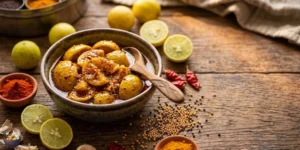
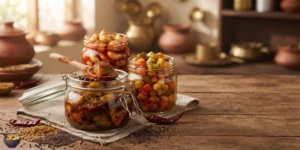
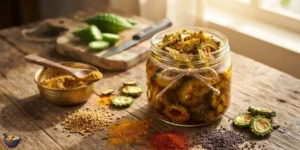
Walk into any grocery aisle in Pakistan and you’ll find rows of mass-produced pickles sitting next to small-batch, traditionally made olive pickle jars. It raises a question that more health-conscious shoppers are asking every day — in the debate of olive pickle vs store-bought alternatives, which one actually deserves a spot on your dinner table? If you’ve ever stood in that aisle wondering whether the convenience of a factory-sealed jar is worth the trade-off in nutrition, you’re not alone, and this guide is going to settle the debate once and for all.
We’re going to break this down the way a nutrition-savvy friend would — no fluff, no marketing spin, just facts, comparisons, and practical advice you can actually use the next time you’re shopping for pickles.
What Makes Olive Pickle a Nutritional Powerhouse?
Before comparing homemade and store-bought versions, it helps to understand why olive pickle has earned its reputation as a genuinely healthy condiment in the first place.
Olives are a core ingredient of the Mediterranean diet, one of the most researched and respected eating patterns for long-term health. When pickled using traditional methods, olives retain most of their natural goodness while gaining the added benefits of fermentation.
Key Nutrients Found in Olives
- Monounsaturated fats — heart-healthy fats linked to improved cholesterol levels
- Vitamin E — a fat-soluble antioxidant that supports skin and immune health
- Dietary fiber — aids digestion and promotes gut health
- Iron and copper — essential trace minerals for energy metabolism
Antioxidants and Healthy Fats
Olives contain polyphenols and antioxidant compounds that help combat oxidative stress in the body. Combined with their monounsaturated fat content, this makes olive pickle one of the few pickled foods that genuinely contributes to heart health rather than just adding flavor to a meal. If you want a deeper nutritional breakdown, our dedicated guide on olive pickle health benefits covers this in detail.
Homemade Olive Pickle Benefits You Can’t Ignore
When we talk about homemade olive pickle benefits, we’re really talking about control — control over ingredients, fermentation time, salt levels, and oil quality.
Fermentation Process and Probiotics
Traditional pickling relies on a natural fermentation process, where beneficial bacteria break down sugars and produce probiotics. These probiotics support gut bacteria diversity, which in turn influences digestion, immunity, and even mood regulation. Store-bought pickles that are pasteurized for extended shelf life often lose these live cultures in the process, which is one of the biggest nutritional trade-offs between the two.
Controlled Ingredients, Controlled Health
When pickles are made the traditional way — using sea salt, olive oil, garlic, and natural spices — there’s no need for artificial preservatives or stabilizers. This is precisely why traditional and small-batch brands focus heavily on natural vs artificial ingredients, something you can read more about in our piece on the benefits of pickling fruits and vegetables.
Store-Bought Pickle Health Risks You Should Know
It’s not all bad news for commercial pickles, but there are legitimate store-bought pickle health risks worth understanding before you make your next purchase.
Preservatives and Artificial Additives
Many mass-market pickles rely on artificial preservatives, synthetic colors, and chemical stabilizers to extend shelf life and maintain visual appeal. These additives and chemicals are added primarily for commercial convenience, not nutritional value, and some studies link long-term consumption of heavily processed foods to increased processed food concerns, including inflammation and metabolic issues.
Sodium Content Concerns
- Store-bought pickles often use excessive salt to compensate for shorter fermentation times
- High sodium content in pickles is linked to elevated blood pressure over time
- Many commercial brands don’t disclose exact sodium levels clearly on packaging
Shelf Life vs Freshness Trade-off
Here’s the uncomfortable truth: the longer a pickle sits on a shelf without spoiling, the more likely it’s been treated with something to make that possible. Shelf life of pickles is often inversely related to how “natural” the product really is. For more on how proper storage extends freshness without chemicals, check out our guide on how to store achar for maximum freshness and shelf life.
Olive Pickle Nutrition Facts: A Side-by-Side Comparison
To make this comparison easier to digest (pun intended), here’s a breakdown of olive pickle nutrition facts across homemade/traditional versus typical mass-produced versions.
| Factor | Homemade / Traditional Olive Pickle | Store-Bought Alternative |
|---|---|---|
| Preservatives | Minimal to none | Often contains artificial preservatives |
| Sodium Levels | Moderate, controllable | Frequently high |
| Probiotics | Present (if fermented) | Usually destroyed by pasteurization |
| Oil Quality | Pure olive oil | Often blended/refined oils |
| Shelf Life | Shorter, refrigeration needed | Long, due to additives |
| Flavor Profile | Rich, authentic, complex | Consistent but often flat |
| Ingredient Transparency | High | Variable, depends on brand |
As the table shows, the nutritional comparison isn’t always black and white — but traditionally made olive pickle consistently comes out ahead on ingredient quality and gut-health benefits.
Natural Olive Pickle vs Processed Pickle: The Real Difference
When comparing natural olive pickle vs processed pickle, the difference goes beyond nutrition labels — it’s about how the product is made from start to finish.
Ingredient Transparency
Natural, small-batch producers typically list every ingredient clearly: olives, salt, olive oil, garlic, and spices. Processed alternatives often include vague terms like “preservative (E211)” or “acidity regulator,” leaving consumers guessing about what they’re actually eating.
Taste, Texture, and Flavor Profile
There’s also a noticeable texture difference and taste comparison worth mentioning. Naturally fermented olive pickle tends to have a deeper, more complex flavor profile with a satisfying bite, while mass-produced versions often taste more acidic and one-dimensional due to vinegar-heavy pickled olives health benefits being diluted by processing shortcuts. If you’re curious why vinegar plays such a big role in some pickling methods, our article on why is vinegar used for pickling explains the science behind it.
Is Homemade Olive Pickle Healthier Than Store-Bought? The Verdict
So, is homemade olive pickle healthier than store-bought? Based on everything we’ve covered, the answer leans strongly toward yes — but with important nuance.
When Store-Bought Makes Sense
- You need convenience and longer shelf life
- You’re buying from a trusted, transparent brand that avoids harmful additives
- You don’t have time or resources to make pickles at home
When Homemade (or Trusted Traditional Brands) Win
- You want probiotics in pickles for gut health
- You’re managing blood pressure and need lower sodium options
- You prioritize clean eating habits and chemical-free food
- You want authentic flavor without compromise
The key takeaway here is that “store-bought” doesn’t automatically mean unhealthy — it depends entirely on the brand’s commitment to traditional methods. This is where sourcing matters more than the pickle category itself.
How to Choose the Healthiest Pickle Options
If you’re trying to find the healthiest pickle options at the store, keep these practical tips in mind:
- Check the ingredient list first — fewer, recognizable ingredients are always better
- Look for “no added preservatives” labeling
- Prefer olive oil-based pickles over refined vegetable oil blends
- Choose brands that emphasize traditional fermentation methods
- Avoid pickles with artificial coloring agents
For a deeper dive into sourcing quality pickles without compromising on health, our best olive pickle in Pakistan buyers guide walks you through exactly what to look for.
Why Achar Mart’s Olive Pickle Stands Out
At Achar Mart, this entire debate is something we take personally — because we believe you shouldn’t have to choose between convenience and health. Our olive pickle is made using traditional methods, pure olive oil, natural spices, and zero artificial preservatives, giving you the authentic benefits of homemade pickling with the convenience of ready-to-eat packaging.
If you’ve been searching for a pickle that bridges the gap between natural olive pickle vs processed pickle, our olive pickle product page is a great place to start. You can also explore our full olive pickle category for different sizes and variants, or browse our complete range on the Achar Mart shop page.
For readers who are generally curious about whether pickles belong in a healthy diet at all, our article is achar good or bad for health offers a broader perspective beyond just olives.
Final Thoughts: Making the Smarter Choice
The olive pickle vs store-bought alternatives debate ultimately comes down to one thing: ingredient integrity. Traditionally made olive pickle offers probiotics, healthy fats, antioxidants, and authentic flavor — benefits that are frequently compromised in mass-produced versions loaded with preservatives and excess sodium.
That said, not all store-bought pickles are created equal. The smartest move isn’t necessarily choosing “homemade” over “store-bought” as categories — it’s choosing transparency and tradition over convenience and compromise, regardless of where the jar comes from.
Ready to taste the difference for yourself? Explore Achar Mart’s authentic Pakistani achar collection and discover how traditional pickling methods can deliver both flavor and genuine health benefits in every bite.
Frequently Asked Questions
Q1: Is homemade olive pickle healthier than store-bought? Yes, generally. Homemade or traditionally made olive pickle retains more probiotics, uses controlled sodium levels, and avoids artificial preservatives commonly found in mass-produced alternatives.
Q2: What are the main store-bought pickle health risks? The biggest risks include high sodium content, artificial preservatives, loss of probiotics due to pasteurization, and the use of refined oils instead of pure olive oil.
Q3: Do store-bought olive pickles still offer any health benefits? Yes, especially from brands that prioritize traditional methods and transparent ingredient lists. Not all commercial pickles are unhealthy — quality varies significantly by brand.
Q4: How can I identify the healthiest pickle options at the store? Look for short ingredient lists, no artificial preservatives, olive oil as the base, and clear labeling around fermentation methods.
Q5: Why is fermentation important in olive pickles? Fermentation produces beneficial probiotics that support gut health, aid digestion, and may contribute to a stronger immune system over time.