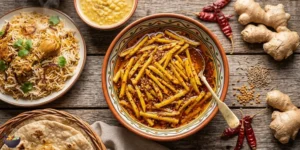
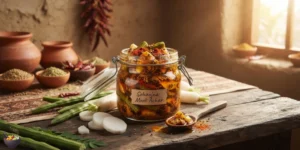
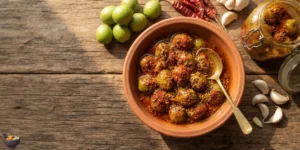
If you have ever stood at your dining table with a plate of hot biryani and wondered which jar to open, you are not alone. The olive pickle vs desi pickle debate is a real one in Pakistani homes. One jar brings a rich, briny, slightly bitter depth. The other brings the bold, tangy, mustard-oil punch we grew up with.
So which one tastes better? That depends on your mood, your meal and your tolerance for heat. This guide covers the olive pickle taste, how it differs from traditional desi pickles, and which one suits which dish. You will also find a simple comparison table, a homemade recipe idea and honest notes on health and shelf life.
Let’s dig in. 🫒
What Is Olive Pickle? (And Why Is It Gaining Fans in Pakistan?)
Olive pickle, or olive achar, starts with green or black olives. They are cured and then flavored with spices, oil or vinegar. Raw olives are very bitter because of a natural compound called oleuropein. They cannot be eaten straight from the tree, so curing is essential.
Curing usually involves soaking the olives in salt water, known as brined olives, or in a series of water changes. The result is a firm, savory fruit with a mellow bitterness.
How Olive Pickle Differs From Mediterranean Olives
Mediterranean-style olives are often simple. They come in brine with a little herb or lemon. Pakistani-style olive pickle is different because it borrows the soul of achar:
- Chili and achar masala for heat
- Garlic, ginger or lemon for sharpness
- Oil for richness and preservation
- Whole spices for aroma
It is a fusion that feels familiar and new at once. If you are curious about the Pakistani market side of this, our best olive pickle in Pakistan buyer’s guide explains what to look for before you buy.
What Are Traditional Desi Pickles?
Traditional desi pickles are the achars that have lived in South Asian kitchens for generations. Think mango, lime, carrot, garlic, ginger, green chili and mixed vegetables. They are usually built on three things: mustard oil, salt and a strong spice blend.
To see how deep this tradition runs, read our piece on the history of achar in Pakistani cuisine.
The Classic Desi Pickle Ingredients
A typical mustard oil pickle uses a familiar set of pickling spices:
- Fennel seeds (saunf) for a sweet, cooling aroma
- Nigella seeds (kalonji) for an earthy, slightly peppery bite
- Fenugreek seeds (methi dana) for gentle bitterness and depth
- Red chili, turmeric and coriander for color and heat
- Salt, which does most of the preservation work
The Traditional Pickling Method
The traditional pickling method is simple and patient. Vegetables or fruits are cut, salted and often sun-dried to remove moisture. They are then mixed with spices and covered in oil. The jar may sit in sunlight for days so the flavors can marry.
Some achars, like certain carrot or radish styles, lean toward fermented pickles. Most oil-based mango and lime achars are preserved by salt, spice and oil rather than true fermentation.
Olive Pickle Taste vs Desi Achar Taste: The Real Comparison
This is the part you came for. The olive pickle taste is hard to describe if you have never had it. Here is how it feels, step by step.
The Flavor Profile of Olive Pickle
- First bite: A salty, savory hit, almost meaty in richness.
- Middle: A gentle bitterness that mellows with spice and oil.
- Finish: A lingering, earthy aftertaste with a touch of tang.
The texture is firm and slightly buttery. If you like a mild-to-medium pickle flavor profile that does not attack your tongue, olive pickle is a good fit.
The Flavor Profile of Desi Pickles
Desi achar is louder. It hits you with:
- Sour, salty and spicy taste all at once
- A sharp, pungent note from mustard oil
- A fragrant spice crunch from fennel and kalonji
- Intense heat that builds with each bite
For a closer look at one classic, see how mango pickle taste compares with lime in our mango pickle vs lime pickle guide.
Tangy vs Briny Pickles: What’s the Difference?
This is the heart of the desi achar vs olive pickle question.
- Tangy pickles get their sourness from raw mango, lime, tamarind or vinegar. They taste bright and sharp.
- Briny pickles get their character from salt water. They taste savory, deep and rounded.
Olive pickle leans briny. Most desi pickles lean tangy and spicy. A vinegar-based pickle sits in between and is sharp and clean. Our explainer on why vinegar is used for pickling covers that style.
📊 Olive Pickle vs Desi Pickle: Side-by-Side Comparison
Here is a quick table to help you compare the two styles at a glance.
| Feature | Olive Pickle | Traditional Desi Pickle |
|---|---|---|
| Main taste | Briny, savory, mildly bitter | Tangy, spicy, pungent |
| Heat level | Mild to medium | Medium to very hot |
| Texture | Firm, buttery | Crunchy, soft or fibrous |
| Base oil or liquid | Olive oil, brine or light oil | Mustard oil, often with vinegar |
| Key spices | Chili, garlic, herbs | Saunf, kalonji, methi dana, achar masala |
| Origin style | Mediterranean with a desi twist | South Asian |
| Best with | Sandwiches, pulao, grilled meat | Biryani, paratha, daal chawal |
In short, olive pickle is smooth and savory, while desi pickle is bold and fiery. Neither is better in every situation.
Green Olives vs Black Olives in Pickle
Not all olive pickles taste the same, and the olive type matters.
Green Olives
- Firmer and more bitter
- Taste fresher and sharper
- Hold up well in spicy masala
Black Olives
- Softer and milder
- Taste richer and slightly sweeter
- Absorb oil and spice quickly
If you prefer a punchy bite, go for green. If you like smooth and mellow, black is the better pick. Our olive pickle at Achar Mart is available on the olive pickle product page, where you can check the latest details.
Health: Olive Pickle vs Desi Pickle
People often ask whether olive pickle is a healthier choice. It is worth being honest here. Pickles are flavor foods, not health supplements, and portion size matters.
Why Olive Pickle Gets Attention
Olives are linked to extra virgin olive oil and Mediterranean eating patterns. They contain healthy monounsaturated fats and plant compounds. You can read more in our olive pickle health benefits guide.
What Desi Pickles Bring
Traditional achar uses spices like fennel, fenugreek and nigella. People have valued these in home cooking for generations. For a broader view, see the top 6 health benefits of pickles.
A Balanced View
- Both types are high in sodium, so enjoy them in small amounts.
- Oil-heavy pickles are calorie-dense.
- If you have blood pressure concerns or a medical condition, check with your doctor first.
For an honest, no-nonsense take, read is achar good or bad for health. If you want healthy pickles, look for clean ingredients, no artificial colors and sensible oil. Our organic achar buying guide can help.
This article is for general information and is not medical advice.
Pickle Shelf Life and Preservation Method
Shelf life depends on how a pickle is made and stored.
- Desi oil pickles last long because salt, spice and oil form a protective barrier. Keeping the pickle submerged in oil is key.
- Olive pickles rely on brine, salt and oil. Once opened, they should be kept in a clean, dry jar.
- Vinegar-based pickles stay fresh for a long time because acidity slows spoilage.
Simple Storage Tips
- Always use a dry spoon. Moisture is the enemy.
- Keep the lid tightly closed.
- Store away from direct heat.
- Keep the pickle covered in oil or brine.
Our full guide on storing achar for maximum freshness and shelf life goes deeper.
Best Food Pairings: Where Each Pickle Shines
This is where the debate becomes practical. 🍽️
Best With Olive Pickle
- Grilled chicken, kebabs and tikka
- Sandwiches, wraps and burgers
- Pulao and plain rice
- Cheese platters and snack boards
Best With Desi Pickle
- Side dish with biryani and paratha
- Daal chawal and khichdi
- Parathas and aloo ke parathe
- Simple roti with salan
Want more ideas? See our list of 10 best Pakistani dishes to pair with achar.
🏠 Homemade Olive Achar Recipe (Simple Version)
Making homemade desi achar is satisfying, and an olive version is easy to try. If you enjoy the process, our post on 5 reasons to start pickling at home may inspire you. For a classic desi project, try the crunchy mango pickle recipe.
Ingredients
- 250 g cured green olives, drained
- 3 tablespoons oil
- 1 teaspoon crushed red chili
- 1 teaspoon fennel seeds (saunf), lightly crushed
- ½ teaspoon nigella seeds (kalonji)
- ¼ teaspoon fenugreek seeds (methi dana)
- 4 garlic cloves, sliced
- Juice of 1 lemon
- Salt, only if needed (cured olives are already salty)
Method
- Rinse the olives briefly and pat them completely dry.
- Gently crack each olive so the flavor can get in.
- Warm the oil lightly and add the whole spices for a few seconds.
- Let the oil cool, then mix in chili, garlic and lemon juice.
- Toss with the olives in a clean, dry jar.
- Rest for at least 24 to 48 hours before tasting.
Tip: Always taste before adding salt. Cured olives can be very salty already.
Olive Pickle Price in Pakistan: What to Expect
Many shoppers search for olive pickle price in Pakistan before they buy. Prices change with olive quality, jar size, oil type and brand, so no single number applies everywhere.
Here is what usually affects the price:
- Olive quality and size
- Type of oil used
- Packaging and hygiene standards
- Small-batch or homemade preparation
The best way to check current pricing is the olive pickle category page. You can also browse the full Achar Mart shop to compare other flavors.
How to Choose the Best Pickle in Pakistan
Looking for the best pickle in Pakistan? Use these simple checks, whichever style you choose:
- Clean ingredient list with no unnecessary colors
- Visible oil or brine covering the pickle
- Fresh aroma, not stale or sour
- Hygienic packing with a sealed lid
- Honest labeling for spice and heat level
If you want a trusted place to start, explore our guides to buying pickles online in Pakistan and authentic Pakistani pickles. For something classic, try the traditional Pakistani mixed pickle guide or the best lime pickle in Pakistan.
So, Which One Should You Pick?
There is no single winner in the olive pickle comparison. The right choice depends on you.
Choose Olive Pickle If You:
- Love savory, briny flavors
- Prefer mild-to-medium heat
- Want something different for sandwiches and grills
- Enjoy a smoother, less sour taste
Choose Desi Pickle If You:
- Crave a spicy pickle flavor with real punch
- Eat a lot of biryani, daal and paratha
- Love the aroma of mustard oil and whole spices
- Want the nostalgic taste of home
The Smart Move: Keep Both
Many food lovers keep one jar of each. Olive pickle is for lighter, modern meals. Desi achar is for the bold, comforting ones. It is the easiest upgrade you can make to your pantry.
Final Thoughts
The olive pickle vs desi pickle question is not about right or wrong. It is about mood and meal. Olive pickle offers a rich, briny, mellow experience. Traditional desi pickles deliver the tangy, spicy, aromatic punch that defines South Asian food.
Now that you know the olive pickle taste, the spice logic behind desi achar and the best pairings, you can choose with confidence.
👉 Ready to Taste the Difference?
Try our olive pickle and compare it with a classic mango pickle or mix pickle. You can also explore premium desi pickles online in Pakistan and order your favorites from Achar Mart today.
❓ Frequently Asked Questions (FAQs)
1. Which tastes better, olive pickle or desi achar?
It depends on your taste. Olive pickle is briny, savory and mildly bitter. Desi achar is tangy, spicy and bold. Choose olive for a smoother taste and desi for a fiery one.
2. Is olive pickle healthier than traditional achar?
Olives contain healthy fats and plant compounds, but both pickles are high in salt and oil. Moderation matters for both. Read our olive pickle health benefits guide for details.
3. What does olive pickle taste like?
It tastes salty, savory and slightly bitter, with a rich, buttery texture. The spices add a gentle heat and tang.
4. How is olive pickle different from mango pickle?
Olive pickle is briny and savory, while mango pickle is sour, spicy and sharp. Mango pickle usually uses mustard oil and a heavy spice blend.
5. Can olive pickle be eaten with Pakistani food?
Yes. It pairs well with pulao, kebabs, grilled meat and sandwiches. It also works as a side with simple rice dishes.
6. How long does olive pickle last compared to desi achar?
Both last a long time when stored properly. Use a dry spoon, keep the pickle covered in oil or brine and close the lid tightly. See our achar storage guide.