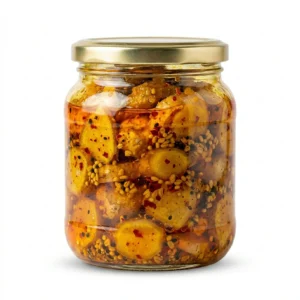
Every Pakistani dining table has a jar of achar somewhere near the plate. Two jars often sit side by side: the sweet-sour, bright orange gajar ka achar and the dark, bold, bitter karela ka achar. Both are loved, but which one is better for your health?
If you have been wondering about carrot pickle vs karela pickle, you are not alone. Diabetics, weight watchers, parents and health-conscious foodies all ask the same question. In this guide, we compare calories, vitamins, fiber, sodium and real-world benefits so you can pick the right achar for your goals.
Quick answer: Neither pickle is “better” in every situation. Carrot pickle is richer in beta-carotene (vitamin A) and has a milder taste. Karela pickle has more vitamin C and is traditionally valued for blood sugar support. The pickling process (salt and oil) matters just as much as the vegetable itself.
Let’s break it down.
Why Compare Carrot Pickle and Karela Pickle?
Both pickles come from vegetables that are nutritious on their own. Carrots are known for eye-friendly nutrients, while bitter gourd (Momordica charantia) has been used in South Asian home remedies for generations.
But once a vegetable becomes a traditional Indian achar (or Pakistani achar, to be precise), the story changes. Salt, mustard oil and spices are added, and these change the final nutrition. That is why comparing the finished pickle matters more than comparing raw vegetables alone.
If you want a wider look at pickles in general, read our guide on the top 6 health benefits of pickles and our honest take on whether achar is good or bad for health.
Nutritional Comparison: Carrot vs Karela (The Raw Vegetables)
Before the oil and salt go in, here is how the two vegetables compare. The figures below are approximate values per 100 g of raw vegetable, based on standard food composition databases such as USDA FoodData Central.
| Nutrient (per 100 g, raw) | Carrot | Karela (Bitter Gourd) |
|---|---|---|
| Calories | ~41 kcal | ~17 kcal |
| Carbohydrates | ~9.6 g | ~3.7 g |
| Dietary fiber | ~2.8 g | ~2.8 g |
| Natural sugar | ~4.7 g | ~1 g |
| Protein | ~0.9 g | ~1 g |
| Vitamin C | ~6 mg | ~84 mg |
| Vitamin A | Very high (beta-carotene) | Low to moderate |
| Potassium | ~320 mg | ~296 mg |
| Folate | Low | Good source |
What this table tells us:
- Karela is lower in calories and sugar. That is why it has a reputation as a diabetic-friendly vegetable.
- Carrot wins on beta-carotene. Your body converts it to vitamin A, which supports vision and skin.
- Karela wins on vitamin C and folate.
- Fiber is about equal in both.
Keep in mind that pickling changes these numbers. Some vitamin C is lost during salting and sun-drying, while beta-carotene is relatively stable and is absorbed better with a little oil.
Carrot Pickle Nutrition Facts and Benefits
Gajar ka achar is crunchy, tangy and slightly sweet. It is often the first pickle kids learn to enjoy.
Key Nutrients in Carrot Pickle
- Beta-carotene: The pigment that gives carrots their orange color. Your body converts it into vitamin A.
- Dietary fiber: Helps digestion and keeps you feeling full.
- Potassium: Supports healthy muscle and nerve function.
- Antioxidants: Carrots contain carotenoids and other plant compounds that help fight oxidative stress.
Carrot Pickle Benefits
1. Supports eye health. Vitamin A is essential for normal vision, especially in low light. Carrot pickle can be a tasty way to add a little beta-carotene to a meal.
2. May support skin and immunity. Vitamin A also plays a role in skin repair and immune function.
3. Gentle on the palate. Because carrot pickle is milder, it is easier for people who do not like very bitter or very spicy food.
4. Helps meals feel satisfying. The fiber and crunch add texture and flavor to simple meals like daal chawal or paratha, which can help you eat smaller portions of heavier dishes.
Carrot Pickle Calories
Raw carrots are low in calories, but carrot pickle calories depend mostly on the oil. A typical tablespoon-sized serving (about 15 g) of oil-based carrot pickle usually lands somewhere between 20 and 50 calories, depending on how much oil clings to the pieces. Brine-based or low-oil versions will be lower.
Is Carrot Pickle Good for Weight Loss?
Carrot pickle can fit into a weight-loss diet if you control the portion. The vegetable itself is low in calories and has fiber. The risk lies in oil and salt. A teaspoon or tablespoon alongside a balanced meal is fine, but eating it by the spoonful is not.
Curious about our carrot option? Take a look at our homemade carrot pickle or read the buyer’s guide to the best carrot pickle in Pakistan.
Karela Pickle Nutrition Facts and Benefits
Karela ka achar is the bold one. It is bitter, spicy and deeply savory, and it is one of the most traditional ways of enjoying a vegetable that many people avoid when it is cooked plain.
Key Nutrients in Karela Pickle
- Vitamin C: Bitter gourd is one of the richer vegetable sources.
- Folate: Important for cell function.
- Dietary fiber: Supports digestion.
- Plant compounds: Karela contains charantin, polypeptide-p and other compounds that researchers have studied for their possible effects on blood sugar.
Karela Pickle Benefits
1. Traditionally linked with blood sugar support. Bitter gourd has been studied for its possible role in blood glucose management. Some small studies show modest effects, but the evidence is mixed and it is not a replacement for diabetes medication. Always follow your doctor’s advice.
2. Low in natural sugar and calories. The raw vegetable is very light, which is why many people choose it when they are watching their carbs.
3. Good for digestion. The bitter taste stimulates digestive juices for some people, and the fiber supports regular bowel movements.
4. Rich in antioxidants. Bitter gourd contains several antioxidant compounds that help the body deal with oxidative stress.
For a deeper dive, see our full article on karela pickle health benefits in Pakistan.
Karela Pickle Calories
Like carrot pickle, the calorie count of karela pickle depends on the oil. A small serving of about a tablespoon usually provides roughly 20 to 45 calories in oil-based versions. Since karela is naturally lower in sugar than carrot, the vegetable contributes very few calories itself.
Is Karela Pickle Good for Diabetics?
Karela pickle can be a reasonable choice for diabetics in small portions, because the vegetable is low in carbohydrates and sugar. However, there are two cautions:
- Salt and oil add up. Many people with diabetes also manage blood pressure or cholesterol, so sodium and fat matter.
- Bitter gourd can lower blood sugar further in people who already take glucose-lowering medicines. Check with your doctor before making it a daily habit.
Pregnant women are usually advised to avoid large amounts of bitter gourd, so they should also check with their doctor.
Want to try it? Browse our karela pickle or explore the full karela pickle category.
Carrot Pickle vs Karela Pickle: Side-by-Side Comparison
| Feature | Carrot Pickle | Karela Pickle |
|---|---|---|
| Taste | Mild, tangy, slightly sweet | Bold, bitter, spicy |
| Best-known nutrient | Beta-carotene (vitamin A) | Vitamin C and folate |
| Natural sugar | Higher | Very low |
| Calories (vegetable only) | Higher | Lower |
| Traditional reputation | Eye and skin health | Blood sugar support |
| Glycemic load | Moderate | Low |
| Best for | Kids, mild-flavor lovers, everyday meals | Adults who like bold flavors, people watching carbs |
| Main watch-out | Sugar and oil | Bitterness, sodium and medication interactions |
Carrot Pickle vs Karela Pickle for Blood Sugar
If blood sugar is your main concern, karela pickle is the more traditional choice, thanks to the vegetable’s low sugar content and the research interest in bitter gourd. Carrots are still a healthy vegetable, and cooked or pickled carrots do not spike blood sugar dramatically in small portions, but they contain more natural sugar than karela.
Which Pickle Is Healthier Overall?
- Choose carrot pickle if you want a milder flavor and more vitamin A.
- Choose karela pickle if you want a lower-sugar option with more vitamin C.
- Choose either in moderation, since salt and oil influence the final health value more than the vegetable does.
The healthiest option is often a varied plate. A little carrot pickle one day and a little karela pickle the next gives you the best of both. You can also explore our mix pickle health benefits if you like variety in one jar.
The Hidden Factors: Oil, Salt and Spices
This is where many comparisons stop too early. Whichever vegetable you choose, the pickling ingredients shape the nutrition.
Sodium Content in Pickles
Salt is essential for preserving achar. A single tablespoon of pickle can contain a significant amount of sodium. The World Health Organization recommends adults keep salt intake under 5 g per day (about 2,000 mg of sodium), so it is easy for a heavy hand with achar to add up when combined with the rest of your meals.
Tips to manage sodium:
- Use a small spoon, not a ladle
- Skip extra salt in the rest of your meal when you have achar
- Choose smaller servings if you have high blood pressure
Oil and Spices in Pickle
Traditional achar uses oil as a preservative, and mustard oil pickle is especially popular in Pakistani and Indian homes. Oil adds calories, but it also helps your body absorb fat-soluble nutrients like beta-carotene. Spices such as fennel, cumin, turmeric, nigella and fenugreek add flavor and contain their own plant compounds.
Is Pickle Fermented or Probiotic?
Only some pickles are naturally fermented in brine. Most oil-based achar, including the typical carrot and karela versions, is preserved with salt, oil and spice rather than fermented, so do not count on it as a probiotic food. If gut health is your goal, fermented foods like yogurt are a more reliable source.
Does Pickling Reduce Nutrients?
Yes, a little. Heat, salt and long storage can reduce vitamin C. Fiber, minerals like potassium, and many antioxidants hold up well. That is one more reason pickle should complement your diet, not replace fresh vegetables.
Want to understand why salt, oil and vinegar are used? Read why vinegar is used for pickling and the benefits of pickling fruits and vegetables.
How Much Achar Is Safe to Eat Daily?
For most healthy adults, one to two teaspoons up to one tablespoon per meal is a sensible amount. Think of achar as a flavor booster, not a side dish.
Side Effects of Eating Too Much Pickle
- High blood pressure and water retention from too much sodium
- Acidity or heartburn in sensitive people
- Extra calories from oil
- Stomach upset from very spicy pickles
Extra Cautions for Karela Pickle
- It is bitter and can cause stomach discomfort when eaten in large amounts
- It may interact with diabetes medicines
- It is generally not recommended in large amounts during pregnancy
Is it safe to eat bitter gourd pickle daily? In small portions, many healthy adults do, but if you have a medical condition, ask your doctor or dietitian first.
Tips for Choosing a Healthier Pickle
Whether you pick carrot or karela, these simple habits make your achar healthier:
- Check the ingredient list. Look for real vegetables, oil, salt and spices, and avoid unnecessary artificial colors and additives.
- Choose reputable makers. Clean preparation and good storage matter for safety.
- Control your portion. A spoonful is plenty.
- Pair it wisely. Eat achar with high-fiber meals like daal, vegetables or whole-wheat roti.
- Store it properly. Use a clean, dry spoon and keep the jar sealed. Our guide on how to store achar for maximum freshness and shelf life explains how.
How to Make a Healthier Low-Oil Pickle at Home
If you like making your own achar, try these changes:
- Use a smaller amount of oil and make sure the vegetables are fully dried before pickling
- Cut back on salt a little, but not so much that it affects safety
- Add flavor with spices like fennel, nigella seeds and turmeric instead of extra oil
- Make smaller batches and refrigerate them
Homemade pickle gives you control over salt and oil, while ready-made options offer convenience. Whichever you pick, always prioritize hygiene.
Best Ways to Enjoy Carrot and Karela Pickle
A great pickle needs the right partner. Here are a few classic pairings:
- Carrot pickle: Paratha, plain rice with daal, sandwiches, and khichdi
- Karela pickle: Daal chawal, roti with sabzi, and biryani
- Both: Alongside a light lunch for extra flavor without adding a heavy side dish
Looking for ideas? See our list of the 10 best Pakistani dishes to pair with achar and learn about the history of achar in Pakistani cuisine.
Final Verdict: Carrot Pickle vs Karela Pickle
So, who wins the carrot pickle vs karela pickle debate?
- If you want a mild, kid-friendly pickle with beta-carotene, pick carrot pickle.
- If you want a low-sugar, bold-flavored pickle with more vitamin C, pick karela pickle.
- If you are managing diabetes, blood pressure or weight, choose either one in small portions and speak with your healthcare provider.
The real winner is balance. A spoonful of well-made achar with a fiber-rich meal can fit nicely into a healthy diet. Eating a large amount every day cannot, no matter which vegetable it is made from.
Disclaimer: This article is for general information only and is not medical advice. If you have diabetes, high blood pressure, are pregnant, or take regular medication, please consult a doctor or registered dietitian.
Frequently Asked Questions (FAQs)
What is the difference between carrot pickle and karela pickle?
Carrot pickle is mild, slightly sweet and rich in beta-carotene. Karela pickle is bitter, bold and has more vitamin C with very little natural sugar. Their taste, nutrients and traditional uses are different.
Which is healthier: carrot pickle or karela pickle?
Neither is healthier in every case. Carrot pickle suits people who want vitamin A and a milder flavor, while karela pickle suits people watching sugar or carbs. Salt and oil content matter for both.
Is karela pickle good for diabetics?
Karela pickle can be eaten in small portions, as bitter gourd is low in sugar and has been studied for blood sugar support. It does not replace medication, and the salt and oil in pickle still count, so ask your doctor first.
How many calories are in carrot pickle?
A one-tablespoon serving of oil-based carrot pickle usually has roughly 20 to 50 calories, depending on how much oil it contains.
Can pickles help with digestion?
The fiber and spices in pickles may support digestion for some people. Most oil-based achar is not fermented, so it should not be counted as a probiotic food.
Is bitter gourd pickle safe to eat daily?
Small portions are fine for most healthy adults. People on diabetes medication, pregnant women and those with sensitive stomachs should check with a doctor first.
Ready to Taste the Difference?
Whether you love the crunch of carrot or the bold bite of karela, quality matters. Explore our carrot pickle and karela pickle, browse the whole Achar Mart shop, or learn where to buy pickles online in Pakistan.
Order today and bring authentic, homemade-style achar to your table!