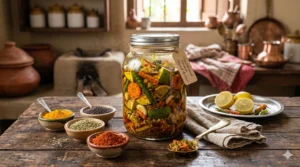
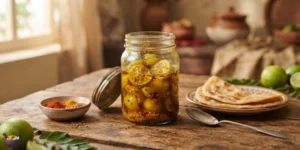
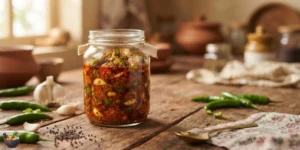
If you’ve ever stood in front of an achar shelf wondering whether to grab garlic pickle or ginger pickle, you’re not alone. The debate over Garlic Pickle vs Ginger Pickle has been simmering in Pakistani kitchens for generations, and honestly, both have earned their spot at the dinner table for good reason. But when it comes to actual health benefits, nutrition value, and how they affect your body, the two condiments are surprisingly different — and knowing those differences can help you pick the right one for your specific needs.
In this article, we’re breaking down everything from nutrient content to digestive impact, side effects, and even how each pickle is traditionally made. By the end, you’ll know exactly which one deserves a permanent spot in your fridge — or if you should just keep both on hand (which, let’s be honest, is usually the smartest move).
What Makes Garlic Pickle and Ginger Pickle So Special?
Both garlic and ginger have been staples of South Asian kitchens and traditional medicine for thousands of years. Long before “superfoods” became a marketing buzzword, Ayurvedic remedies were already using these two roots to treat everything from colds to indigestion.
When pickled — whether through fermentation or a vinegar-based process — garlic and ginger don’t just taste incredible. They also retain (and sometimes enhance) many of their natural compounds, like allicin in garlic and gingerol in ginger, which are responsible for most of their health-boosting properties.
If you’re curious about the bigger picture of how pickling affects nutrition, our guide on the top health benefits of pickles is a great place to start before diving deeper into these two specific varieties.
Garlic Pickle Benefits: Nutrition Facts and Health Perks
Key Nutrients in Garlic Pickle
Garlic pickle is packed with compounds that do a lot more than add flavor to your roti and rice. Here’s what’s inside:
- Allicin – the sulfur compound responsible for garlic’s sharp smell and most of its medicinal power
- Vitamin C – supports immune function and skin health
- Manganese – aids in bone health and metabolism
- Selenium – a trace mineral with antioxidant properties
- Fermented probiotics (in traditional pickling methods) – support gut flora
Top Health Benefits of Garlic Pickle
The health benefits of garlic pickle go well beyond just taste. Here’s what regular, moderate consumption can offer:
- Immune system booster – Allicin has natural antibacterial and antiviral properties that help your body fight off common infections.
- Cholesterol level reduction – Several studies suggest garlic compounds can help lower LDL (bad) cholesterol over time.
- Cardiovascular health benefits – Garlic is linked to improved blood circulation and mild blood pressure control.
- Anti-inflammatory properties – Great for reducing joint discomfort and general inflammation.
- Digestive health benefits – Fermented garlic pickle introduces beneficial bacteria that support gut health improvement.
For a deeper dive into this specific topic, check out our full breakdown in the garlic pickle health benefits guide, where we cover everything from dosage to long-term effects.
Garlic Pickle Side Effects to Watch For
As amazing as it is, garlic pickle isn’t for everyone in unlimited quantities. Watch out for:
- Acid reflux or heartburn if consumed on an empty stomach
- Bad breath (a small price to pay, honestly)
- Blood-thinning effects, which can be risky if you’re already on blood thinners
- High sodium content, especially in commercially made pickles
Ginger Pickle Benefits: Nutrition Facts and Health Perks
Key Nutrients in Ginger Pickle
Ginger pickle brings its own unique nutritional profile to the table:
- Gingerol – the active compound behind ginger’s warming, anti-inflammatory effects
- Vitamin C and Magnesium – support immunity and muscle function
- Antioxidants – help combat oxidative stress in the body
- Natural digestive enzymes – aid in breaking down food more efficiently
Top Health Benefits of Ginger Pickle
The health benefits of ginger pickle make it a go-to remedy in many Pakistani households, especially during flu season. Here’s why:
- Digestive aid condiment – Ginger is famous for easing bloating, nausea, and indigestion almost instantly.
- Cold and flu natural remedy – Its warming properties help soothe sore throats and clear congestion.
- Blood sugar control – Ginger has shown promise in helping regulate blood glucose levels.
- Anti-inflammatory properties – Excellent for easing muscle soreness and joint pain.
- Weight loss aid – Some studies suggest ginger can boost metabolism slightly, supporting weight management efforts.
For more detailed insights, our dedicated post on ginger pickle health benefits walks through the science and traditional wisdom behind this fiery favorite.
Ginger Pickle Side Effects to Watch For
Ginger pickle is generally gentle, but a few things to keep in mind:
- Mild heartburn in sensitive individuals
- Interaction with blood-thinning medication
- Overconsumption can lead to mouth or throat irritation due to its spicy nature
Garlic Pickle vs Ginger Pickle: Head-to-Head Comparison
Here’s a side-by-side look to make the garlic vs ginger for health comparison crystal clear:
| Factor | Garlic Pickle | Ginger Pickle |
|---|---|---|
| Active Compound | Allicin | Gingerol |
| Best For | Heart & immune health | Digestion & nausea relief |
| Anti-inflammatory | Strong | Strong |
| Digestive Support | Moderate (via probiotics) | High |
| Cold/Flu Relief | Mild | Excellent |
| Blood Sugar Support | Limited evidence | Moderate evidence |
| Taste Profile | Pungent, savory | Spicy, warming |
| Common Side Effect | Bad breath, acid reflux | Mild throat irritation |
Which Pickle Is Healthier For You?
Honestly? This is where it gets interesting — which pickle is healthier really depends on what your body needs most right now.
- If you’re dealing with cholesterol concerns, high blood pressure, or want an immune boost, garlic pickle is your better bet.
- If you’re struggling with digestive issues, nausea, or seasonal colds, ginger pickle will serve you better.
- If you want an all-rounder for general gut health and inflammation, honestly, both offer overlapping benefits, and there’s no harm in rotating between the two.
Many Pakistani households already do this instinctively — garlic pickle with heavier, oily meals, and ginger pickle alongside lighter dishes or during weather changes. If you’re curious about pairing pickles with specific meals, our guide on the best Pakistani dishes to pair with achar has some great suggestions.
How the Pickling Process Affects Health Benefits
Not all pickles are created equal, and the method matters more than people realize. Traditional Pakistani achar can be made two main ways:
- Fermented Garlic and Fermented Ginger – This natural process develops beneficial probiotics, enhancing gut health improvement over time. It’s slower but nutritionally richer.
- Vinegar-Based Pickling – Faster and shelf-stable, but doesn’t introduce the same probiotic benefits, though it still preserves most of the antioxidant-rich compounds.
If you want to understand this contrast more thoroughly, our detailed article on why vinegar is used for pickling explains the science behind both methods clearly.
Homemade Garlic Pickle vs Homemade Ginger Pickle Recipe
Making your own achar at home is honestly one of the best ways to control ingredients, salt levels, and fermentation time — giving you maximum health benefits without preservatives.
- For garlic lovers, our step-by-step spicy garlic pickle recipe walks you through the entire process, from selecting fresh cloves to perfecting the spice blend.
- If ginger’s more your thing, check out our guide to a 100% homemade ginger achar recipe that stays true to traditional Pakistani flavors.
Both recipes are beginner-friendly and don’t require any fancy equipment — just patience and good quality spices and condiments.
Ayurvedic and Traditional Uses of Garlic and Ginger Pickle
Long before modern nutrition science caught up, Ayurvedic remedies already recognized garlic and ginger as powerful healing agents. In traditional Indian achaar culture:
- Garlic was used to treat respiratory issues, joint pain, and as a general immunity tonic during winter months.
- Ginger was — and still is — the go-to remedy for upset stomachs, motion sickness, and cold symptoms.
This traditional wisdom lines up surprisingly well with modern research, which is part of why these pickles have stood the test of time across generations.
Final Verdict: Garlic Pickle vs Ginger Pickle
So, after all this comparison, who actually wins?
The honest answer: there’s no single winner — just two incredibly beneficial condiments that serve different purposes. Garlic pickle shines for heart health and immunity, while ginger pickle takes the crown for digestion and cold relief. If you’re serious about maximizing your health benefits, the smartest approach isn’t choosing one over the other — it’s keeping both in your kitchen and using them based on what your body needs that day.
For more on whether achar in general fits into a healthy diet, our article on is achar good or bad for health offers a balanced, well-researched perspective worth reading.
Ready to Taste the Difference?
Why choose when you can experience both? Achar Mart’s 100% homemade Garlic Pickle and authentic Ginger Pickle are made using traditional Pakistani recipes, real ingredients, and zero shortcuts.
👉 Shop our full pickle collection now and bring authentic, health-packed flavor to your table today.
Frequently Asked Questions (FAQs)
Q1: Which is healthier, garlic pickle or ginger pickle? It depends on your health goals. Garlic pickle is better for cholesterol and immunity, while ginger pickle excels at digestion and cold relief.
Q2: Can I eat garlic pickle and ginger pickle daily? Yes, in moderate quantities. Both are safe for daily consumption, but watch your sodium intake, especially with store-bought varieties.
Q3: Does pickling reduce the nutritional value of garlic and ginger? Not significantly. In fact, fermentation can enhance certain nutrients by introducing beneficial probiotics.
Q4: Are there any side effects of eating too much garlic or ginger pickle? Overconsumption can cause acid reflux, heartburn, or mild throat irritation. People on blood-thinning medication should consult a doctor first.
Q5: What’s the best way to store homemade garlic or ginger pickle? Proper storage extends shelf life significantly. Our guide on how to store achar for maximum freshness covers everything you need to know.