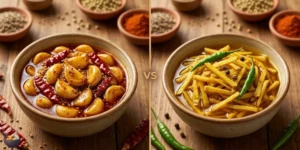
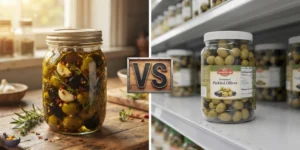
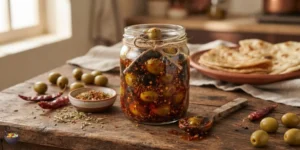
If you’ve ever stood in front of a pickle shelf wondering whether that jar is actually doing your body any good, you’re not alone. Sohanjna Mooli Pickle has quietly become one of Pakistan’s most talked-about condiments — not just because it tastes incredible, but because it’s packed with nutrients that most store-bought jars simply can’t match. In this article, we’re breaking down the real difference between homemade, authentic achar and mass-produced alternatives, so you can finally make an informed choice for your plate and your health.
Spoiler alert: the answer isn’t just about taste. It’s about what’s actually going into your body with every bite.
🌿 What Is Sohanjna Mooli Pickle, Exactly?
Before we dive into the comparison, let’s quickly understand what makes this pickle special.
Sohanjna (Moringa) and Mooli (radish) are two ingredients that have been used in South Asian households for generations — not just as food, but as natural remedies. When combined into a pickle using traditional spices and mustard oil, they create a condiment that’s as functional as it is flavorful.
Unlike generic pickles that rely heavily on vinegar and preservatives, a well-made Sohanjna Mooli Pickle uses oil-based preservation methods rooted in Pakistani culinary tradition — a technique that’s been refined over decades for both taste and shelf stability.
If you want to explore the full range, you can also check out the Mooli Pickle category to see how different brands approach this classic recipe.
⚖️ Sohanjna Mooli Pickle vs Store-Bought Alternatives: The Core Comparison
This is where things get interesting. On the surface, two jars of pickle might look identical. But what’s inside tells a very different story.
🥗 Nutritional Value
Homemade or small-batch Sohanjna Mooli Pickle typically retains far more of its original nutrients because:
- It’s made in small batches with minimal processing
- Fresh moringa and radish are used instead of pre-treated vegetables
- No industrial heat-processing that destroys heat-sensitive vitamins
Store-bought alternatives, on the other hand, often go through:
- High-temperature pasteurization
- Extended storage before reaching shelves
- Chemical stabilizers that can interfere with nutrient absorption
If nutrition is your priority, this round clearly favors the homemade version. For a deeper look at this, our guide on Sohanjna Mooli Pickle health benefits breaks down exactly what nutrients survive the pickling process.
🧂 Ingredients Used
Here’s a simple rule of thumb: the shorter the ingredient list, the healthier the pickle.
Traditional Sohanjna Mooli Pickle ingredients usually include:
- Fresh moringa pods or leaves
- Radish (mooli)
- Mustard oil
- Red chili, turmeric, fenugreek, and mustard seeds
- Salt and natural souring agents like lemon or vinegar
Typical store-bought pickle ingredients often include:
- Refined/blended oils (sometimes low-quality)
- Artificial color additives
- Chemical preservatives (sodium benzoate, EDTA)
- Added sugar or synthetic flavor enhancers
- Excessive sodium for extended shelf stability
This is one of the biggest reasons health-conscious buyers are shifting toward homemade achar vs market achar comparisons before making a purchase.
🧪 Preservatives & Shelf Life
Store-bought pickles are designed to survive months — sometimes years — on a shelf. That kind of longevity doesn’t happen naturally; it requires help.
- Artificial preservatives extend shelf life but can trigger digestive discomfort in sensitive individuals
- High sodium content is often used as a cheap preservation method, which isn’t ideal for anyone watching their blood pressure
- Oil-based homemade pickles, like Sohanjna Mooli Pickle, naturally preserve well due to mustard oil’s antimicrobial properties — without needing synthetic additives
Curious about proper storage techniques for homemade pickles? Our detailed guide on how to store achar for maximum freshness and shelf life covers everything you need to know.
😋 Taste & Authenticity
This one’s subjective, but worth mentioning. Store-bought pickles are often formulated for mass appeal — meaning flavors get standardized, toned down, or artificially boosted.
Homemade or small-batch pickles, however, carry:
- Deeper, more complex spice layers
- A stronger regional/traditional flavor profile
- No artificial aftertaste from preservatives
If you’ve grown up eating desi achar at home, you’ll notice the difference almost instantly.
💪 Health Benefits of Sohanjna Mooli Pickle You Shouldn’t Ignore
Let’s talk specifics. Why exactly is this particular pickle gaining so much attention?
🌱 Moringa (Sohanjna) Benefits
Moringa is often called a “superfood” for good reason:
- Rich in vitamin C and iron, supporting immunity and energy levels
- Contains powerful antioxidants that help fight inflammation
- Known to support blood sugar regulation
- Traditionally used for its anti-inflammatory properties
🥬 Radish (Mooli) Benefits
Radish isn’t just a crunchy addition — it brings its own nutritional punch:
- High in fiber, which supports digestion
- Contains natural compounds that aid detoxification
- Low in calories, making it a smart choice for weight management
- Supports gut health when fermented properly
Together, these two ingredients create a pickle that’s not just tasty but genuinely functional. For a full breakdown, check out our dedicated post on Sohanjna Mooli Pickle benefits.
⚠️ Why Store-Bought Pickles May Not Be as Healthy as They Seem
It’s easy to assume that if something is sold in a sealed jar at a supermarket, it must be safe and healthy. But here’s what often gets overlooked:
- Excessive sodium levels — many commercial pickles contain more salt than necessary for flavor, purely for preservation
- Artificial preservatives — chemicals like sodium benzoate are linked to potential long-term health concerns when consumed regularly
- Nutrient degradation — extended processing and storage reduce vitamin content significantly
- Low-quality oils — some mass-produced pickles use cheaper oil blends that don’t offer the same health benefits as traditional mustard oil
- Artificial colors and flavors — added purely for visual appeal, not nutritional value
None of this means store-bought pickles are “bad” across the board — but it does mean they’re generally formulated for convenience and shelf life, not necessarily for maximum health benefit.
🏠 Homemade Mooli Pickle vs Market Achar: Which Should You Choose?
Let’s simplify this into a quick comparison table so you can decide at a glance:
| Factor | Homemade Sohanjna Mooli Pickle | Store-Bought Pickle |
|---|---|---|
| Nutrient Retention | High | Moderate to Low |
| Preservatives Used | Minimal (natural) | High (synthetic) |
| Sodium Content | Controlled | Often Excessive |
| Taste Authenticity | Strong, Traditional | Standardized, Mild |
| Shelf Life | Moderate (with proper storage) | Very Long |
| Health Risk Factors | Low | Moderate (long-term use) |
The takeaway? If you’re prioritizing health, homemade or small-batch, traditionally made pickles consistently come out ahead.
🍽️ How to Make Mooli Achar at Home (Quick Overview)
If you’re inspired to try making your own, here’s a simplified version of the process:
- Wash and cut fresh radish and moringa into bite-sized pieces
- Sun-dry them slightly to remove excess moisture
- Prepare the spice mix — turmeric, red chili, fenugreek, mustard seeds, and salt
- Heat mustard oil until it reaches the right temperature (this step matters a lot for preservation)
- Mix everything together and let it marinate in a clean, airtight jar
- Store in sunlight for a few days to allow natural fermentation and flavor development
This method closely mirrors techniques used in other traditional recipes, like our popular spicy garlic pickle recipe, which also relies on oil-based preservation for both flavor and shelf stability.
If homemade pickling feels like too much effort (totally understandable), you can always go with a trusted, authentically made option from Acharmart’s Sohanjna Mooli Pickle — made using traditional methods without compromising on quality.
📦 Tips to Store Your Pickle for Maximum Freshness
Whether you’re making it at home or buying it, proper storage directly affects both taste and shelf life:
- Always use a clean, dry spoon to avoid introducing moisture or bacteria
- Store in a cool, dry place, away from direct sunlight once fermentation is complete
- Make sure the pickle is fully submerged in oil — this acts as a natural preservative barrier
- Avoid storing in plastic containers for long periods; glass jars are ideal
- Check regularly for any unusual smell or mold growth
For a more detailed breakdown, our guide on achar storage for maximum freshness covers everything from jar selection to seasonal storage tips.
🏆 Final Verdict: Which Is Healthier?
So, after breaking down nutrition, ingredients, preservatives, and taste — what’s the final answer?
Sohanjna Mooli Pickle, when made using traditional, minimal-processing methods, is the healthier choice compared to most mass-produced store-bought alternatives. It retains more nutrients, uses natural preservation techniques, and avoids the excessive sodium and artificial additives commonly found in commercial jars.
That said, not all homemade pickles are created equal either — quality depends heavily on ingredient sourcing and preparation methods. This is exactly why choosing a trusted, authentic brand matters just as much as choosing homemade over store-bought.
If you’re exploring more traditional options beyond this one, our complete guide on authentic Pakistani achar is a great next read.
✅ Conclusion
At the end of the day, the choice between Sohanjna Mooli Pickle and store-bought alternatives really comes down to what you value most — convenience or nutrition, mass-market consistency or authentic tradition. Based on everything we’ve covered, homemade and small-batch, traditionally prepared Sohanjna Mooli Pickle offers a clear edge in nutritional value, ingredient quality, and overall health benefits.
If you’re ready to experience the difference for yourself, it might be time to swap that store-bought jar for something genuinely better.
👉 Try Acharmart’s authentic Sohanjna Mooli Pickle today and taste the difference tradition makes.
❓ Frequently Asked Questions
Is Sohanjna Mooli Pickle good for daily consumption?
Yes, in moderate amounts. Thanks to its moringa and radish content, it offers fiber, antioxidants, and essential vitamins — but like any pickle, portion control matters due to its oil and salt content.
What makes Sohanjna Mooli Pickle healthier than store-bought pickles?
It typically uses natural preservation methods, fresh ingredients, and traditional spice blends — avoiding the artificial preservatives and excess sodium common in mass-produced alternatives.
Can I make Sohanjna Mooli Pickle at home easily?
Absolutely. With fresh moringa, radish, mustard oil, and basic spices, you can prepare a batch at home using traditional sun-fermentation techniques.
How long does homemade Mooli Achar last?
When stored properly in an airtight glass jar away from moisture and direct sunlight, it can last several months while retaining both flavor and nutritional value.
Are store-bought pickles completely unhealthy?
Not entirely — but many contain higher sodium levels and artificial preservatives compared to traditionally made alternatives, making them less ideal for regular, long-term consumption.