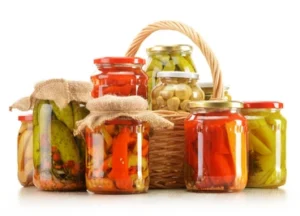
If you’ve ever stood in a grocery aisle staring at rows of jarred pickles and wondered whether they’re actually doing your body any good, you’re not alone. The Mix Pickle vs Store-Bought Alternatives debate has become one of the most searched food questions in Pakistan, and for good reason — what you spoon onto your plate every day can quietly shape your gut health, sodium intake, and overall wellbeing. In this guide, we’re breaking down exactly how homemade mix pickle stacks up against mass-produced jars, so you can make a choice that’s informed rather than impulsive.
Let’s dig into the ingredients, the fermentation science, the hidden preservatives, and the real nutritional numbers — no fluff, just facts you can actually use.
🥒 What Is Mix Pickle? A Quick Introduction
Mix pickle, or achaar, is a traditional South Asian condiment made by combining multiple vegetables — carrots, turnips, green chilies, cauliflower, and more — with mustard oil, vinegar, and a blend of aromatic spices. It’s then left to mature, allowing the flavors to deepen and, in many traditional recipes, allowing natural fermentation to occur.
This dish isn’t just a flavor booster. Depending on how it’s made, mix pickle can be a genuine source of probiotics, antioxidants, and digestive-friendly compounds. If you want to see how it’s traditionally prepared at home, our traditional Pakistani mixed pickle guide walks through the authentic process step by step.
⚖️ Mix Pickle vs Store-Bought Alternatives: The Core Differences
The real debate isn’t about pickles in general — it’s about how they’re made. Here’s where the two paths diverge sharply.
Homemade Pickle vs Store-Bought Pickle – Ingredients Breakdown
When you make mix pickle at home or buy from a brand that follows traditional methods, you typically get:
- Natural mustard oil or vinegar-based pickles instead of refined, processed oils
- Whole spices ground fresh, not synthetic flavor extracts
- No artificial coloring in food — the color comes from turmeric, chili, and natural pigments
- Minimal to zero chemical preservatives
Mass-market store-bought condiments, on the other hand, are engineered for a 12–18 month shelf life. That requires:
- Synthetic preservatives and additives like sodium benzoate or potassium sorbate
- Stabilizers to prevent oil separation
- Often, cheaper refined oils instead of cold-pressed mustard oil
- Added sugar or artificial sweeteners to balance mass-produced taste
Fermentation Process & Natural Preservation
Traditional pickling relies on a natural fermentation process — salt draws out moisture from vegetables, creating an environment where beneficial bacteria thrive while harmful ones can’t survive. This is the same principle behind kimchi, sauerkraut, and yogurt.
Commercial pickles frequently skip or shorten this fermentation stage to speed up production, relying instead on vinegar and chemical preservation to achieve a similar shelf-stable result — but without the probiotic benefits that slow fermentation naturally produces.
If you’re curious why vinegar plays such a central role in preservation, our article on why vinegar is used for pickling explains the chemistry in simple terms.
📊 Nutritional Comparison: Mix Pickle Nutrition Facts
Numbers tell a clearer story than marketing claims. Here’s a general comparison based on standard serving sizes (per 100g):
| Nutrient | Homemade Mix Pickle | Mass-Produced Store Pickle |
|---|---|---|
| Sodium | 600–900 mg (varies by recipe) | 1,200–1,800 mg |
| Preservatives | Minimal / natural salt-oil based | Chemical preservatives common |
| Added Sugar | Rare, usually none | Often added for taste masking |
| Oil Type | Cold-pressed mustard oil | Refined/blended oils |
| Probiotic Content | Present (if fermented) | Usually absent |
| Artificial Color | None | Common in budget brands |
Sodium Content in Pickles
Sodium is where the gap widens the most. Commercial pickles often use excess salt not just for flavor but as a cheap preservative. If you’re monitoring blood pressure, this is a critical factor — something we unpack further in our piece on pickle and blood pressure concerns.
Calorie Count of Pickles
Calorie-wise, both types are relatively low — pickles aren’t a calorie-dense food. The real difference lies in what those calories come from. Homemade versions get their calories from natural oils and spices; store-bought versions sometimes include hidden sugars or stabilizing starches that quietly add up.
🚫 Is Store-Bought Pickle Healthy? The Hidden Preservatives Issue
This is the question most people actually want answered. The short answer: it depends heavily on the brand, but mass-market jars found on supermarket shelves often fall short.
Pickle Preservatives Side Effects
Long-term, frequent consumption of chemically preserved foods has been linked to:
- Increased sodium-related blood pressure concerns
- Potential gut microbiome disruption (ironically, the opposite of what fermented food should do)
- Reduced nutrient density compared to fresh, naturally prepared alternatives
Artificial Coloring in Food
Many budget pickle brands use synthetic dyes to make vegetables look more vibrant and “fresh” even after months on a shelf. These artificial colorants offer zero nutritional value and have raised safety questions in various food studies globally.
💪 Mix Pickle Health Benefits You Shouldn’t Ignore
When made the traditional way, mix pickle genuinely earns its place as a functional food, not just a side dish.
Gut Health and Fermented Foods
Fermented pickles introduce beneficial bacteria into your digestive tract, supporting:
- Better digestion of heavy, oily meals
- Reduced bloating after large portions
- A more balanced gut microbiome over time
Digestive Health Support
The spices commonly used in mix pickle — mustard seeds, fenugreek, fennel — have long been associated with aiding digestion in traditional South Asian medicine. Combined with natural fermentation, this makes a well-prepared mix pickle more of a digestive aid than a dietary risk.
For a deeper look at these advantages, check out our detailed breakdown in mix pickle health benefits and the broader top 6 health benefits of pickles.
🏠 Homemade Achaar vs Packaged Achaar: Taste & Quality
Beyond health, there’s the simple matter of taste. Homemade achaar typically delivers:
- Deeper, more complex spice layering
- A fresher “bite” since vegetables are cut and cured in small batches
- Customizable heat and tang levels
Packaged achaar, especially from large commercial manufacturers, tends to taste more uniform batch after batch — consistent, yes, but often at the cost of depth and authenticity. If you want to explore brands that preserve that homemade quality at scale, our guide to buying pickles online in Pakistan is a great starting point.
⏳ Shelf Life of Pickles: Homemade vs Commercial
One advantage commercial pickles do have is a longer shelf life — but that convenience comes at a nutritional cost, as discussed earlier.
Homemade or small-batch pickles typically last 6–12 months when stored correctly, which is more than enough for regular household use. Proper storage matters more than people realize — using the wrong jar or exposing pickle to moisture can shorten its life dramatically. Our guide on how to store achaar for maximum freshness covers exactly how to extend shelf life naturally, without chemical help.
🏆 Which Pickle Is Better for Health? Final Verdict
Based on everything above, here’s the honest, no-nonsense conclusion:
- For daily health-conscious consumption: Homemade or authentic small-batch mix pickle wins, thanks to lower sodium, natural fermentation, and no artificial additives.
- For occasional convenience: Store-bought pickles aren’t inherently dangerous in moderation, but frequent consumption of heavily preserved brands isn’t ideal.
- The healthiest pickle option is one made with traditional methods, natural oils, and minimal processing — regardless of whether it’s homemade or purchased from a trustworthy, transparent brand.
🌟 How AcharMart Makes the Healthiest Mix Pickle Option
At AcharMart, we bridge the gap between traditional homemade quality and modern convenience. Our mix pickle is prepared using:
- 100% natural mustard oil, no refined substitutes
- Traditional fermentation timelines — no shortcuts
- Zero artificial coloring in food
- Carefully balanced sodium levels compared to typical commercial jars
You can explore our full range directly through our Mix Pickle category or order our best-selling Mix Pickle product today. For those comparing options before buying, our best mix pickle in Pakistan buyer’s guide breaks down exactly what separates a premium jar from a mass-market one.
❓ Frequently Asked Questions
Q1: Is homemade mix pickle healthier than store-bought pickle? Generally, yes. Homemade mix pickle typically contains less sodium, no artificial preservatives, and retains more natural probiotics from fermentation compared to most commercial alternatives.
Q2: What are the main pickle preservatives side effects to watch for? Common concerns include elevated sodium intake, potential digestive discomfort from synthetic additives, and reduced nutrient density from prolonged shelf-stabilization processes.
Q3: Does store-bought pickle contain probiotics? Most mass-produced pickles skip or shorten the fermentation process, meaning they often lack the beneficial bacteria found in traditionally fermented, naturally cured pickles.
Q4: Can eating mix pickle daily support digestive health? In moderate amounts, yes — the fermentation process and digestive spices used in mix pickle can support gut health, though portion control matters due to sodium content.
Q5: What’s the healthiest pickle option available in Pakistan? Pickles made with cold-pressed mustard oil, natural fermentation, and no artificial coloring — like those offered by AcharMart — represent the healthiest category of options currently available.
🎯 Conclusion
The Mix Pickle vs Store-Bought Alternatives comparison ultimately comes down to transparency and process. Traditional, naturally fermented mix pickle offers real nutritional advantages — lower sodium, genuine probiotics, and zero artificial additives — while many mass-market jars prioritize shelf life over wellbeing. The good news is you don’t have to choose between convenience and health anymore.
Ready to taste the difference? Explore AcharMart’s authentic, naturally made Mix Pickle and experience the health benefits of traditional pickling without ever stepping into your kitchen. Shop our full pickle collection now and bring home a jar that’s as good for your body as it is for your taste buds.