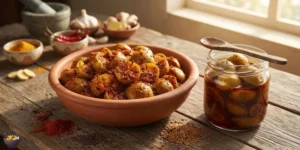
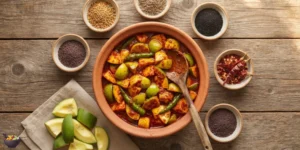
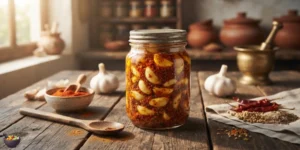
If you’ve ever stood in a grocery aisle comparing a glossy, factory-packed achar jar with the thought of making your own at home, you’re not alone. The debate around karela pickle vs store-bought pickle has been simmering for years, especially among health-conscious Pakistani households who love their achar but worry about what’s actually inside it. Bitter gourd, or karela, is already famous for its medicinal properties — but does that goodness survive the pickling process, and more importantly, does it survive mass production?
In this guide, we’re breaking down everything you need to know — nutrition, preservatives, sodium levels, fermentation benefits, and real health risks — so you can finally answer the question that’s been nagging at you every time you walk past the pickle shelf.
🥒 What Makes Karela Pickle Special? (Bitter Gourd Nutrition)
Before comparing jars, let’s talk about the star ingredient itself. Karela isn’t just bitter for the sake of being bitter — it’s one of the most nutrient-dense vegetables used in South Asian cooking.
Nutritional Profile of Bitter Gourd
Bitter gourd is naturally packed with:
- Vitamin C – supports immunity and skin health
- Vitamin A – good for eyesight
- Fiber – aids digestion and keeps you full longer
- Antioxidants – help fight oxidative stress
- Plant compounds like charantin – linked to blood sugar regulation
This is exactly why karela has earned its reputation as a diabetes-friendly food in traditional medicine circles, and it’s a big reason health experts often recommend it even in pickled form, in moderation.
Why Karela Pickle Is a Traditional Favorite
Pickling bitter gourd isn’t a modern trend — it’s rooted deep in Pakistani and Indian culinary tradition, much like the broader history of achar in Pakistani cuisine. Families have been pickling karela for generations as a way to preserve its nutrients while mellowing out the sharp bitterness with spices, oil, and salt.
🏠 Homemade Karela Pickle Benefits
So why do nutritionists and home cooks keep pushing for homemade over store-bought? Let’s unpack the real homemade karela pickle benefits.
Fresh Ingredients, No Hidden Nasties
When you make karela pickle at home, you control exactly what goes in — real mustard oil, fresh spices, and natural souring agents like lemon or vinegar. There’s no mystery ingredient list.
Fermentation & Probiotic Advantage
Traditionally fermented pickles develop beneficial bacteria during the curing process. This natural fermentation supports gut health and fermented foods benefits, something most mass-produced, vinegar-flash pickles simply skip to speed up production.
Controlled Oil & Sodium Levels
Homemade pickle lets you adjust salt and oil to your taste and health needs — a huge advantage if you’re watching your sodium intake or managing blood pressure.
🏭 Store-Bought Pickle: What’s Really Inside the Jar?
Now let’s flip the jar around and actually read the label — because this is where most of the health concerns start.
Common Preservatives & Additives
Commercial pickles often rely on chemical preservatives to extend shelf life for months (sometimes years). These additives aren’t necessarily dangerous in small amounts, but regular consumption adds up.
Sodium Content Concerns
Here’s a number that surprises most people: a single tablespoon of store-bought pickle can contain upwards of 300-400mg of sodium — nearly 15-20% of your recommended daily intake, just from a condiment.
Artificial Colors and Shelf Life Tricks
To keep that bright, “fresh” appearance on store shelves for months, many commercial brands use artificial colors in packaged food. This has zero nutritional benefit and is purely cosmetic — designed to make the product look more appealing than it actually is.
⚖️ Karela Pickle vs Store-Bought Pickle: Head-to-Head Comparison
Let’s put both side-by-side so the differences are crystal clear.
| Factor | Homemade Karela Pickle | Store-Bought Pickle |
|---|---|---|
| Nutrient Retention | High – minimal processing | Lower – heat processing & additives |
| Sodium Levels | Controlled, adjustable | Often very high |
| Preservatives | None or natural (oil/vinegar) | Chemical preservatives common |
| Fermentation/Probiotics | Yes, often naturally fermented | Rarely, mostly vinegar-based |
| Oil Quality | Pure mustard/sesame oil | Often refined or blended oils |
| Shelf Life | Shorter, needs proper storage | Very long (months to years) |
| Taste & Authenticity | Traditional, authentic flavor | Standardized, less variation |
As this table shows, the karela achar vs market achar debate isn’t close when it comes to nutritional integrity — homemade simply retains more of what makes karela healthy in the first place.
🩺 Is Karela Pickle Healthy? Breaking Down the Benefits
Let’s answer the big question directly: is karela pickle healthy? Yes — when prepared properly and consumed in moderation, it offers genuine karela pickle health benefits.
Blood Sugar Control
Bitter gourd’s natural compounds are known to support healthy blood sugar levels, making karela pickle a smart addition for anyone focused on diabetes-friendly foods — as long as sugar isn’t added during preparation (a common store-bought shortcut).
Antioxidant Boost
The antioxidants in bitter gourd help combat free radicals in the body. Pickling preserves much of this antioxidant content, especially when oil-based rather than heavily processed.
Gut Health Support
Naturally fermented karela pickle can introduce beneficial probiotics into your diet, supporting digestion — a benefit that’s largely explored in our breakdown of the top health benefits of pickles.
⚠️ Store-Bought Pickle Health Risks You Should Know
While convenient, mass-produced pickles come with trade-offs worth understanding before you toss one in your cart.
High Sodium & Heart Health
Excess sodium is directly linked to increased blood pressure and heart strain. Regularly consuming high-sodium store-bought pickle can quietly contribute to long-term cardiovascular risk.
Preservatives & Long-Term Effects
While approved preservatives are generally considered safe in regulated amounts, frequent consumption across multiple processed foods (not just pickle) adds up over time — something increasingly flagged in store-bought pickle health risks discussions among nutritionists.
Low Nutritional Value
Many commercial pickles prioritize shelf stability over nutrition. The high-heat processing and extended storage can degrade vitamins, meaning you’re often left with flavor but minimal nutritional payoff.
🤔 Homemade vs Commercial Pickle: Which Should You Choose?
This isn’t necessarily black and white — context matters.
When Store-Bought Makes Sense
- You need convenience and don’t have time to prepare pickle at home
- You’re buying from a trusted, authentic brand that avoids artificial preservatives and uses real mustard oil (this is exactly why checking brand quality matters)
- You consume it occasionally, not daily
When Homemade Wins
- You want full control over sodium, oil, and ingredient quality
- You’re managing a health condition like diabetes or hypertension
- You care about preserving the natural antioxidants and probiotics in bitter gourd
If you want the best of both worlds — authentic, traditional preparation without the hassle of making it yourself — options like AcharMart’s karela pickle are made using the same homemade methods your grandmother would approve of, just without the kitchen cleanup.
🛒 How to Choose a Healthier Karela Pickle (Buying Tips)
If you’re leaning toward buying rather than making your own, here’s how to shop smarter:
- Check the ingredient list – avoid pickles with long chemical names you can’t pronounce
- Look for mustard oil pickle options instead of refined/blended oils
- Avoid artificial color indicators – natural pickle color is often duller, not neon
- Choose brands transparent about sourcing – similar to how we explain our process in buy organic achar online
- Check sodium content per serving on the nutrition label
- Prefer smaller batch, traditionally made pickles over mass industrial production
It also helps to know why certain preservation methods are used in the first place — our guide on why vinegar is used for pickling breaks this down clearly if you’re curious about the science behind shelf-stable condiments.
🏆 Final Verdict: Which Pickle Is Healthier?
When you weigh everything — nutrient retention, sodium control, preservative load, and probiotic benefits — homemade or authentically-made karela pickle consistently comes out ahead of standard store-bought alternatives. The which pickle is healthier question really comes down to processing: less processing almost always means more nutrition.
That said, not all store-bought pickle is created equal. Brands that replicate traditional, homemade methods using real oil, natural spices, and no artificial shortcuts can offer a genuinely healthy alternative — you just have to know what to look for on the label.
If you’re someone who genuinely cares about what you’re eating, learning to spot the difference between good and bad achar is one of the most useful skills you can build as a pickle lover.
❓ Frequently Asked Questions
Q1: Is karela pickle good for diabetics? Yes, karela pickle can be beneficial for diabetics because bitter gourd contains compounds that support healthy blood sugar levels. However, it’s important to choose versions without added sugar and consume in moderation due to oil and salt content.
Q2: Why is homemade pickle considered healthier than store-bought? Homemade pickle avoids artificial preservatives, allows control over sodium and oil quantity, and often retains more natural probiotics through traditional fermentation — all of which tend to be reduced in mass-produced versions.
Q3: How much sodium is in store-bought pickle compared to homemade? Store-bought pickles typically contain significantly higher sodium levels due to preservation needs, sometimes reaching 300-400mg per tablespoon, while homemade versions can be adjusted to much lower levels.
Q4: Does karela pickle lose its health benefits during pickling? Some nutrients reduce slightly during processing, but many antioxidants and beneficial compounds in bitter gourd remain intact, especially in oil-based, minimally processed homemade or traditional pickles.
Q5: Can I eat karela pickle every day? Karela pickle can be eaten regularly in small portions as a condiment, but due to its oil and salt content, it’s best enjoyed in moderation rather than as a daily large-portion food.
🎯 Conclusion: Make the Smarter Pickle Choice Today
At the end of the day, the karela pickle vs store-bought pickle debate isn’t about banning convenience — it’s about making informed choices. Homemade and traditionally-prepared karela pickle genuinely offers more nutritional value, better sodium control, and real probiotic benefits compared to most mass-produced jars sitting on supermarket shelves.
If you love the taste of karela achar but don’t have the time or ingredients to make it fresh at home, you don’t have to compromise on health or authenticity. Explore AcharMart’s karela pickle collection — made the traditional way, with real mustard oil and zero shortcuts, so you get all the flavor without the health trade-offs of typical store-bought pickle.
👉 Ready to taste the difference? Browse our full pickle shop and bring home a jar that’s as good for your body as it is for your taste buds.