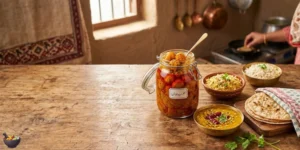
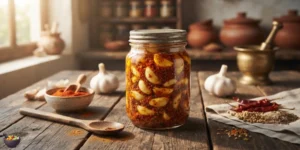
If you’ve ever stood in a grocery aisle holding a jar of pickle and wondered whether it’s actually doing your body any good, you’re not alone. The ginger pickle vs store-bought pickle debate has become one of the most searched health questions among Pakistani food lovers — and for good reason. Ginger pickle, or adrak ka achar, is a staple on almost every dining table, but not all versions of it are created equal. Some are made the traditional way, slow-fermented with real spices and mustard oil. Others are mass-produced on factory lines, loaded with preservatives just to survive months on a shelf.
So which one actually deserves a spot in your kitchen? Let’s unpack this step by step, comparing nutrition, ingredients, and real health impact — so you can make a choice that’s good for your taste buds and your body.
Why This Debate Matters More Than You Think
Pickles aren’t just a side dish in Pakistani cuisine — they’re practically a cultural institution. But as more people shift toward mindful eating, the question “is ginger pickle healthy?” comes up constantly.
Here’s the thing: the health value of ginger pickle depends almost entirely on how it’s made. A jar prepared at home with fresh ginger, natural oil, and sun-fermentation is a completely different product from a mass-manufactured jar sitting on a supermarket shelf for 12+ months.
Understanding this difference isn’t just about taste — it directly affects your digestion, sodium intake, and long-term health. If you’ve already read about the history of achar in Pakistani cuisine, you’ll know that pickling was never meant to involve synthetic chemicals in the first place — it was a preservation technique rooted in natural fermentation.
What Makes Ginger Pickle So Special?
Before comparing the two versions, it’s worth understanding why ginger itself is considered a nutritional powerhouse.
Raw Ginger Benefits You Can’t Ignore
Ginger has been used in South Asian households for centuries — not just for flavor, but for its medicinal properties. Some well-documented raw ginger benefits include:
- Supporting healthy digestion and reducing bloating
- Easing nausea and motion sickness
- Helping regulate blood sugar levels
- Boosting immunity during seasonal changes
- Acting as a natural anti-inflammatory agent
Anti-Inflammatory and Antioxidant Power
Ginger contains gingerol, a bioactive compound responsible for most of its anti-inflammatory properties and antioxidants. When ginger is pickled traditionally — without excessive heat or chemical processing — many of these compounds remain intact, which is why a well-made ginger pickle offers real health benefits beyond just flavor.
Is Ginger Pickle Healthy? Breaking Down the Nutrition Facts
The honest answer: it depends on how it’s made.
A homemade or small-batch ginger pickle typically contains:
- Fresh ginger root
- Natural mustard or sesame oil
- Whole spices (fennel, mustard seed, red chili)
- Salt and vinegar as natural preservatives
- Zero artificial additives
Compare that to many store-bought ginger pickle ingredients, which often include:
- Refined vegetable oil (sometimes low-quality blends)
- Added sugar or glucose syrup
- Artificial preservatives (sodium benzoate, potassium sorbate)
- Synthetic food coloring to maintain a “fresh” appearance
- Excess salt to extend shelf life
This is where the nutritional value gap really opens up. One version nourishes your gut; the other is primarily designed to survive a long shipping and storage cycle.
Homemade Ginger Pickle vs Store-Bought Alternatives: The Real Comparison
Let’s break this down in the areas that matter most for your health.
Fermentation Process & Probiotics
Traditional pickling relies on a natural fermentation process, where beneficial bacteria develop over days or weeks. This is where probiotics come from — the same good bacteria your gut needs for a healthy gut microbiome.
Most industrial, store-bought pickles skip real fermentation entirely. Instead, they use vinegar and heat-based preservation to speed up production, which means little to no gut health benefit survives the process.
Sodium Content and Salt Levels
Salt is essential in pickling — it’s a natural preservative. But there’s a big difference between:
- Balanced salt content used in homemade recipes for flavor and safe fermentation
- Excess sodium used in commercial products purely to extend shelf life for months
High sodium intake over time is linked to blood pressure issues, which makes this one of the most important factors in the store-bought pickle health risks conversation.
Preservatives in Store-Bought Pickles
This is often the biggest red flag. Many store-bought pickle health risks come from the long list of chemical preservatives used to keep a product “fresh” for an extended shelf life — sometimes over a year.
While these preservatives are approved in small quantities, regular consumption adds up, especially if pickles are eaten daily (which, let’s be honest, many of us do).
Artificial Colors and Chemical Additives
Ever noticed how some store pickles have an unnaturally bright, consistent color across every jar? That’s often due to artificial colors added to make the packaged food look more appealing on store shelves — not because it reflects natural ginger’s actual appearance.
Store-Bought Pickle Health Risks You Should Know
To summarize the main concerns with mass-produced jars:
- High sodium levels that can affect blood pressure over time
- Chemical additives with limited long-term research on daily consumption
- Low-quality oils used to cut production costs
- Minimal to no probiotic content due to skipped fermentation
- Added sugars disguised as flavor enhancers
None of this means store-bought pickle is “dangerous” in small amounts — but when compared to a natural alternative, the processed food risks clearly stack up differently.
If you’re curious whether achar in general is good or bad for your health, our detailed guide on is achar good or bad for health breaks this down even further.
Benefits of Ginger Pickle (Homemade) for Your Body
When made the traditional way, the benefits of ginger pickle go well beyond taste. Here’s what a properly fermented, homemade version offers:
- Supports digestion through natural probiotics
- Reduces inflammation thanks to ginger’s active compounds
- Boosts immunity, especially during flu season
- Improves nutrient absorption when paired with meals
- Free from synthetic preservatives, making it a cleaner choice
This is exactly why 100% homemade ginger achar has grown so popular among health-conscious Pakistani households — people are actively looking for clean eating alternatives to mass-produced jars.
Natural vs Processed Pickle: Which Wins for Gut Health?
When it comes to natural vs processed pickle, the gut health argument is where homemade pickle has a clear advantage.
| Factor | Homemade Ginger Pickle | Store-Bought Pickle |
|---|---|---|
| Fermentation | Natural, slow process | Often skipped or minimal |
| Probiotics | Present (if fermented) | Rarely present |
| Preservatives | None or natural (salt/vinegar) | Chemical preservatives common |
| Sodium Content | Controlled, recipe-based | Often high for shelf stability |
| Ingredients | Transparent, simple | Long ingredient lists |
| Shelf Life | Shorter, naturally | Extended artificially |
As this table shows, the trade-off is simple: convenience and shelf life vs real nutritional value.
How the Pickling Process Affects Shelf Life and Nutrition
Here’s something most people don’t realize — shelf life and nutritional value are often inversely related in processed foods.
The longer a product needs to sit on a shelf, the more preservatives and stabilizers it typically requires. This is true for ginger pickle just as much as any other packaged food category.
Traditional pickling process methods using salt, mustard oil, and natural fermentation were never designed for a 2-year shelf life — they were designed for freshness within a reasonable, natural timeframe. If you want to understand how to properly store homemade pickle without needing artificial preservation, check out our guide on how to store achar for maximum freshness and shelf life.
So… What’s the Healthiest Pickle Option?
Based on everything above, here’s a simple way to identify the healthiest pickle option when shopping or making your own:
- ✅ Short ingredient list (ginger, oil, salt, spices — that’s it)
- ✅ No artificial coloring agents
- ✅ Naturally fermented, not vinegar-flash-processed
- ✅ Reasonable, honest shelf life (not multi-year stability)
- ✅ Made by a brand that’s transparent about sourcing
This is the exact standard we follow when preparing our best ginger pickle in Pakistan — real ingredients, traditional methods, zero shortcuts.
How to Make Ginger Pickle at Home (Quick Overview)
If you’re inspired to try the homemade route yourself, here’s a simplified overview:
- Select fresh ginger — firm, unblemished roots work best
- Slice thin and lightly sun-dry to remove excess moisture
- Mix with whole spices — mustard seed, fennel, red chili
- Add natural oil (mustard or sesame) as your base
- Store in a sterilized glass jar and allow natural fermentation for several days
- Stir occasionally and keep away from direct sunlight after initial fermentation
This simple DIY pickle recipe approach avoids every preservative concern we discussed earlier — while still delivering that bold, tangy flavor Pakistani households love.
If homemade preparation feels like too much effort on a busy week, you can always buy ginger pickle online in Pakistan from a trusted source that follows the same natural standards.
Final Verdict: Ginger Pickle vs Store-Bought Pickle
When you line up both options side by side, the answer to ginger pickle vs store-bought pickle becomes fairly clear. Homemade or small-batch, naturally fermented ginger pickle consistently outperforms mass-produced alternatives in:
- Nutritional integrity
- Probiotic content
- Ingredient transparency
- Long-term health impact
Store-bought pickle isn’t inherently “bad” — but when a product is engineered primarily for shelf stability rather than nutrition, something has to be compromised. And more often than not, that something is your health.
The homemade ginger pickle vs store-bought alternatives comparison ultimately comes down to one simple question: do you want a product designed to last on a shelf, or one designed to nourish your body?
Ready to Taste the Difference Yourself?
If you’ve been relying on mass-produced jars out of convenience, it’s time to experience what real, traditionally-made ginger pickle actually tastes like — and feels like for your gut. Explore our ginger pickle collection or browse our full pickle shop for authentic, preservative-free options made the way achar was always meant to be made.
Frequently Asked Questions
Is ginger pickle healthier than store-bought pickle? Yes, generally. Homemade or naturally fermented ginger pickle contains fewer preservatives, less added sodium, and more probiotic benefits compared to most store-bought alternatives.
What are the main store-bought pickle health risks? The biggest concerns are high sodium content, chemical preservatives, artificial coloring, and low-quality oils used to extend shelf life.
Does ginger pickle have probiotics? Only if it’s naturally fermented. Many mass-produced pickles skip the fermentation process entirely, which means little to no probiotic content remains.
How long does homemade ginger pickle last without preservatives? With proper storage — a sterilized jar, controlled moisture, and natural oil as a barrier — homemade ginger pickle can last several months while staying fresh and flavorful.
Can I eat ginger pickle daily? In moderate amounts, yes. Natural, homemade ginger pickle in small daily servings can support digestion, but excessive sodium intake from any pickle should still be monitored.